CREATURES

The biggest and smallest

Blue Whale - Flofaunes

30m / 180 tons

BLUE WHALE

The Blue Whale (Balaenoptera musculus) is not only the largest creature in the ocean, but the largest animal ever known to live on Earth—even bigger than the biggest dinosaurs! Despite its massive size, the Blue Whale eats some of the smallest creatures in the ocean. It feeds almost exclusively on tiny, shrimp-like animals called krill, consuming up to 4 tons of them every single day. It is found in all the world's oceans, except for the Arctic. They are great travelers: they spend the summer feeding in cold polar waters and move to warmer tropical waters during the winter to breed

1-2 Cm / 1 gram

IRUKANDJI JELLYFISH

Its body (the bell) is only 1 to 2 centimeters wide. It is smaller than a fingernail, making it almost invisible in the water. It has four thin tentacles that can stretch from a few centimeters up to 1 meter long. Do not be fooled by its tiny size! This jellyfish is one of the most venomous and dangerous creatures in the entire world. It is mainly found in the warm, tropical waters of Northern Australia. However, due to warming ocean temperatures, it has also been spotted in other tropical areas around the Indo-Pacific region.
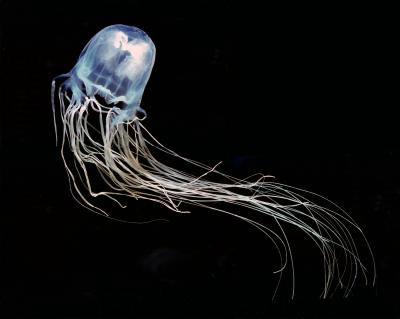
IRUKANDJI JELLYFISH - Flofaunes
SHARKS
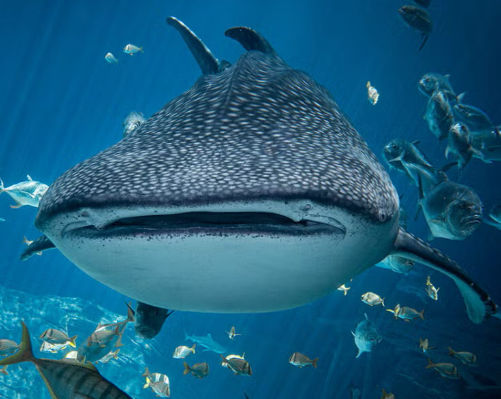
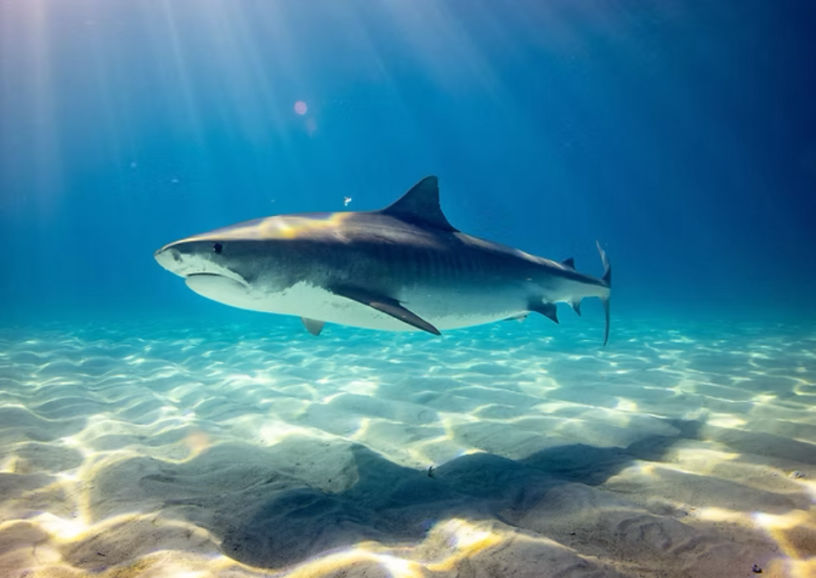
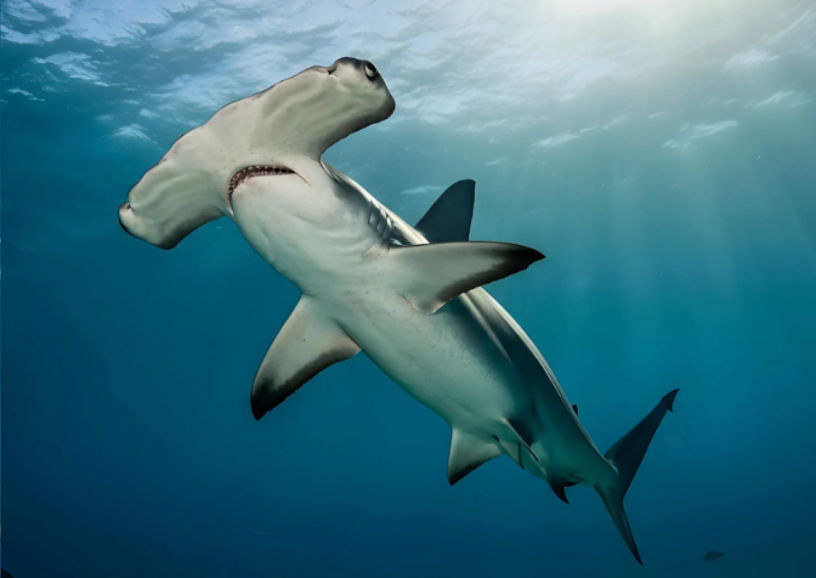
There are more than 500 different species of sharks in the world. They come in all sizes, from the tiny dwarf lantern shark to the peaceful giants of the sea.Beautiful species to look at: The Whale Shark (with its amazing white spots), the Hammerhead Shark (with its unique head shape), and the powerful Great White Shark.

The five hundred species of sharks are incredibly diverse and inhabit almost every corner of the global ocean in vastly different environments. While many popular species like the Reef Shark thrive in shallow tropical waters and sunlit coral reefs others prefer the vast open waters of the pelagic zone where they travel thousands of miles across the deep blue. At the same time unique species like the Greenland Shark are specially adapted to the freezing dark waters of the Arctic and deep-sea sharks live in total darkness thousands of meters below the surface while some incredible sharks like the Bull Shark can even swim from the ocean directly into freshwater rivers.
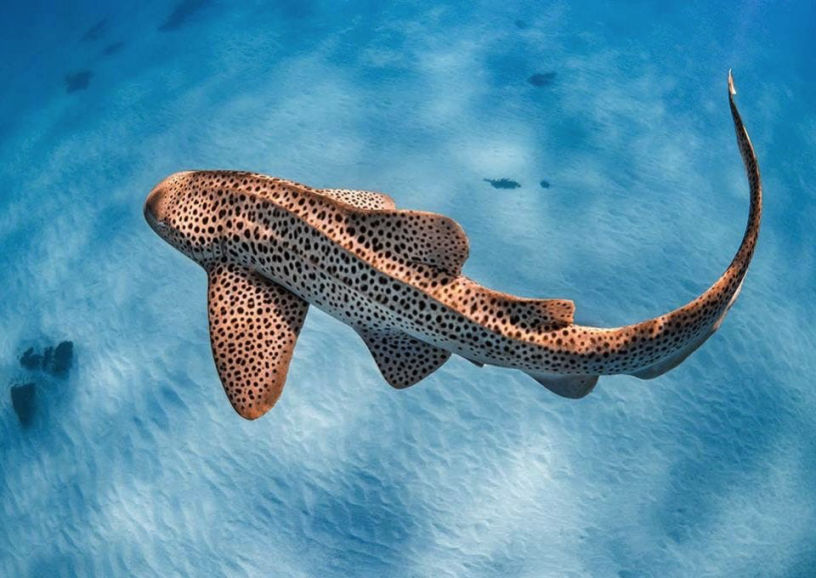
Leopard Shark - Flofaunes
Whale Shark - Flofaunes
Great White Shark - Flofaunes
Hammerhead Shark - Flofaunes
WHALES
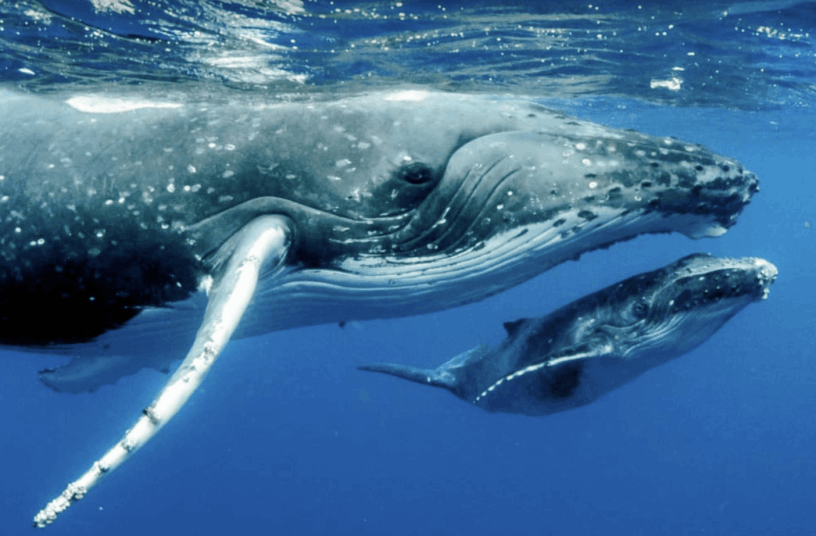
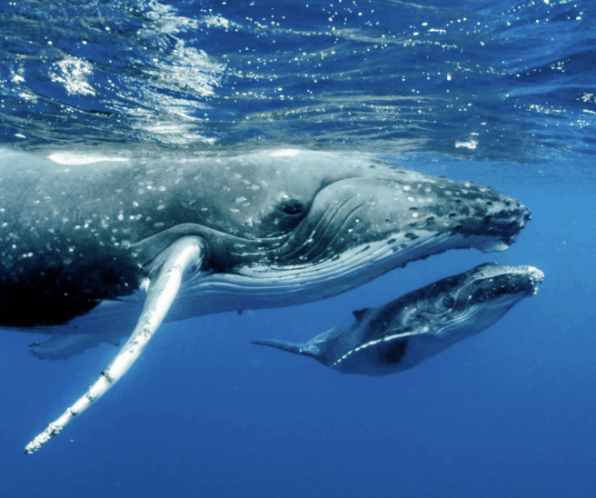
There are around 15 species of true baleen whales (whales that use filter plates to eat, instead of teeth). They are the gentle musical singers of the deep ocean.Beautiful species to look at: The Humpback Whale (famous for its incredible jumps out of the water) and the majestic Blue Whale.

The fifteen species of baleen whales are found in all the world's major oceans but they live a highly migratory life moving between completely different environments depending on the season. During the summer months these majestic giants travel to the freezing and productive polar waters of the Arctic and Antarctic to feed on massive amounts of krill and small fish. When winter approaches they undertake incredible long-distance journeys to the warm tropical and subtropical coastal lagoons near the equator where they breed and give birth to their calves because the warm shallow waters protect the newborns from predators and the cold.
Humpback Whale - Flofaunes
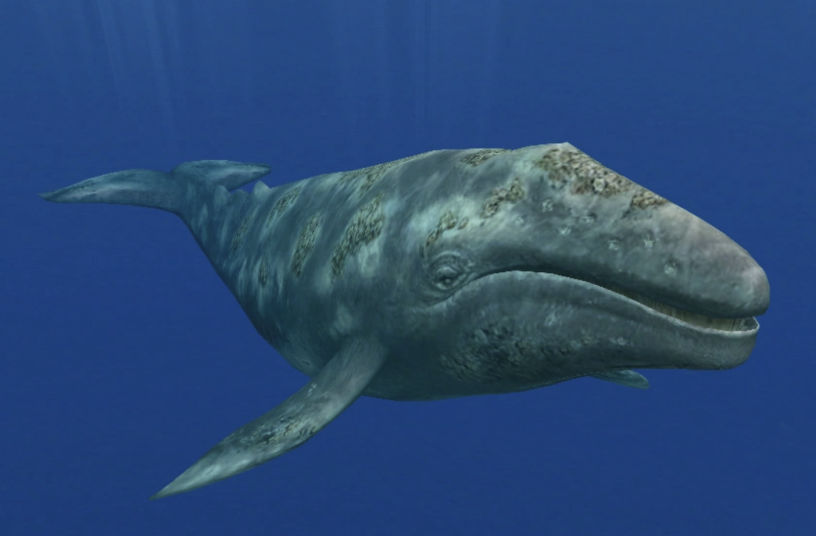
Grey Whale - Flofaunes
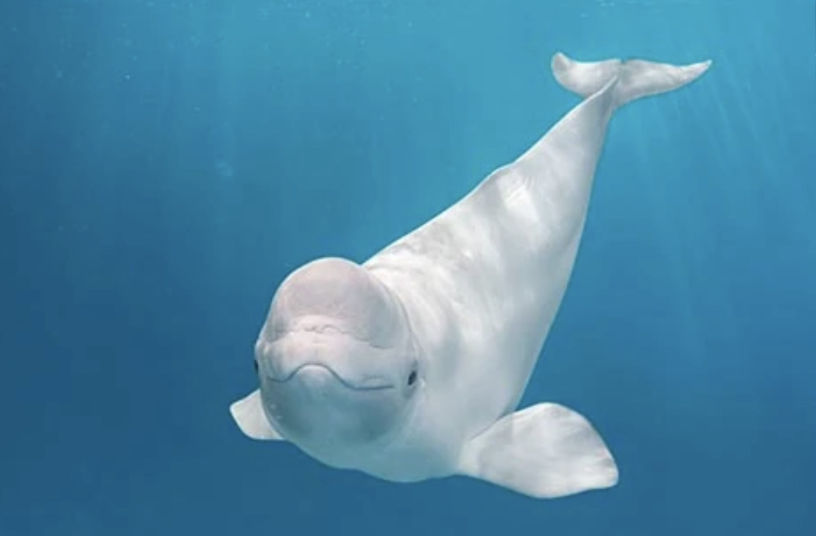
Beluga Whale - Flofaunes
Blue Whale - Flofaunes
DOLPHINS
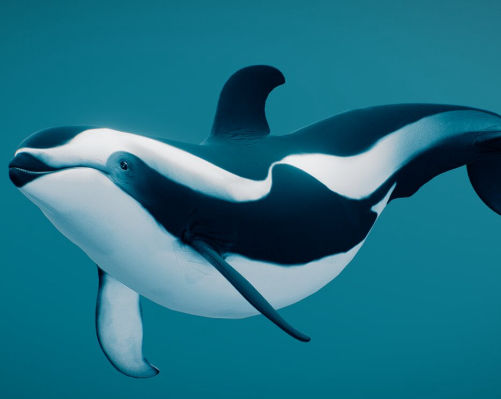
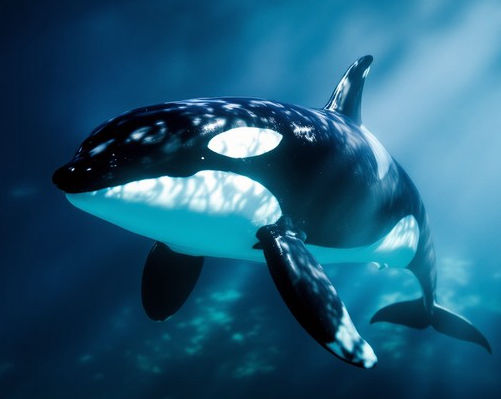
There are about 40 species of dolphins. This big family includes oceanic dolphins, river dolphins, and even the famous Orca (Killer Whale), which is actually the largest member of the dolphin family!Beautiful species to look at: The classic Bottlenose Dolphin (very friendly and smart), the Pacific White-Sided Dolphin (with beautiful grey and white colors), and the striking black-and-white Orca.

The forty species of dolphins do not live in the same place because they have adapted to completely different environments all around the world. Many species like the Orca travel across deep open oceans from the warm equator to the icy polar regions while famous dolphins like the Bottlenose Dolphin prefer shallow coastal waters and warm bays. At the same time rare species like the Hourglass Dolphin live exclusively in the freezing seas of the Antarctic and some unique species like the Pink River Dolphin do not live in the ocean at all because they spend their whole lives entirely in freshwater rivers in South America and Asia.
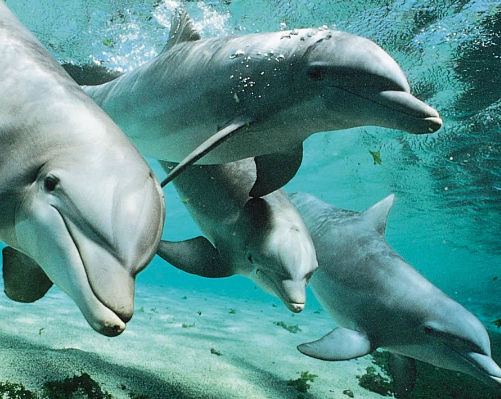
Bottlenose Dolphin - Flofaunes
White Sided Dolphin - Flofaunes
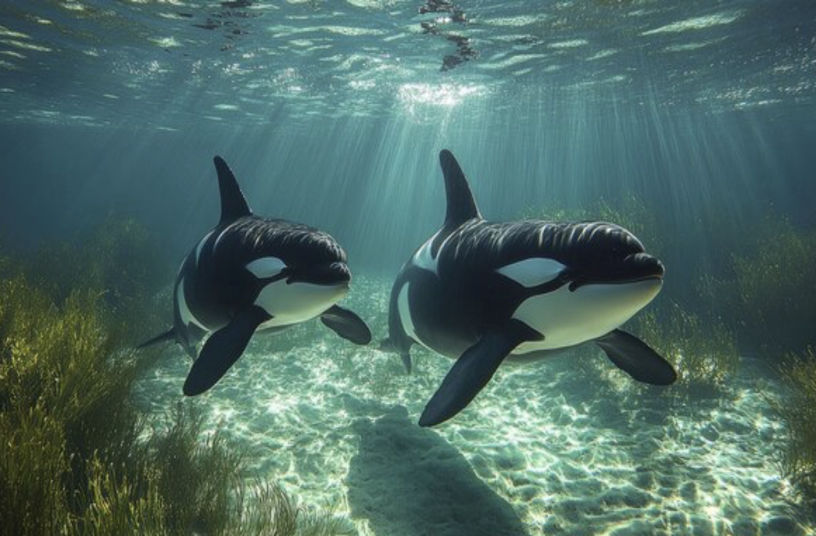
Orca - Flofaunes
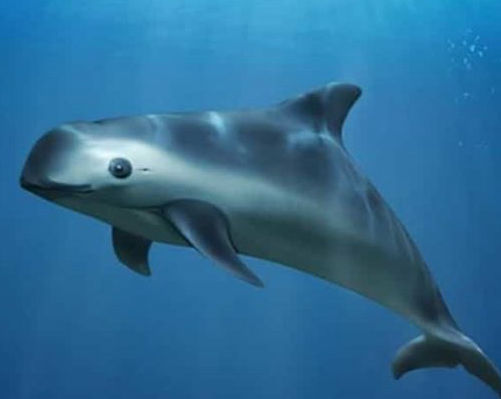
Vaquitas Dolphin - Flofaunes
FISHES
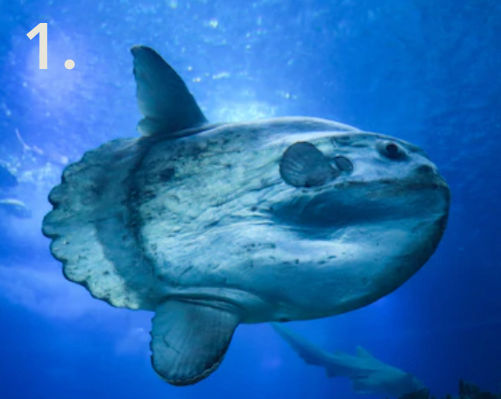
1. The Ocean Sunfish or Mola mola is the heaviest bony fish in the entire world and features a truly bizarre body shape that looks like a giant floating head without a real tail. These peaceful giants can weigh over two tons and are famous for their unique habit of basking on their side at the surface of the sea to catch the sun and allow seabirds to clean them of parasites.

2. The Anglerfish deep beneath the waves lives the mysterious Deep-Sea Anglerfish which is the absolute king of ocean darkness and fear. The females of this species feature an extraordinary natural glowing fishing lure dangling right in front of their massive toothy mouth to trick and trap unsuspecting prey in the pitch black environment.

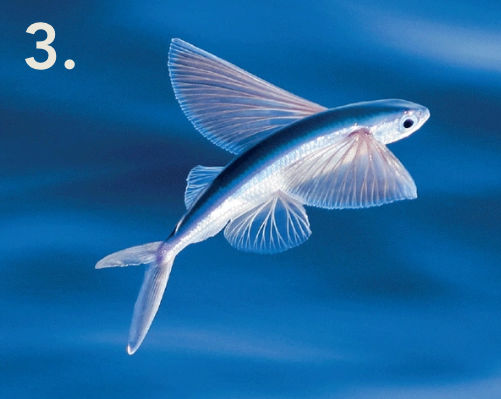
3. The Flying Fish has evolved exceptionally long pectoral fins that act exactly like wings. When a fast predator pursues them these incredible fish can leap completely out of the water and glide over the waves for up to two hundred meters leaving their hunters behind with nothing to eat.

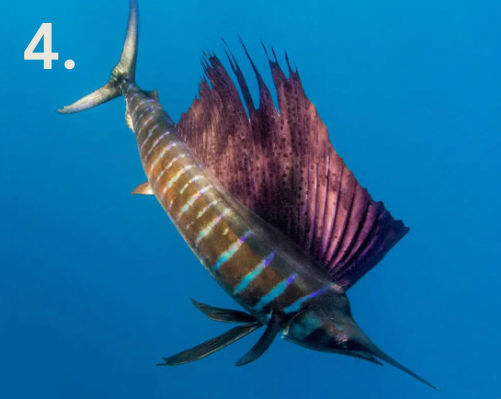
4. Sailfish rules the open ocean as the fastest fish in the world reaching incredible speeds of over one hundred and ten kilometers per hour. It displays a giant sail-like dorsal fin on its back and features a long sharp bill that it uses like a sword to hunt large schools of fish.
Anglerfish - Flofaunes
Mola Mola Fish - Flofaunes
Sailfish - Flofaunes
Flying Fish - Flofaunes

HOW MANY FISHES

Scientists have discovered and officially cataloged more than thirty-three thousand different species of fish throughout the entire planet. This immense category includes both bony fish like the Ocean Sunfish and the Sailfish as well as cartilaginous fish like sharks and rays. To understand how massive this variety is there are actually more fish species in the world than all the species of birds mammals reptiles and amphibians combined together.

OCTOPUS
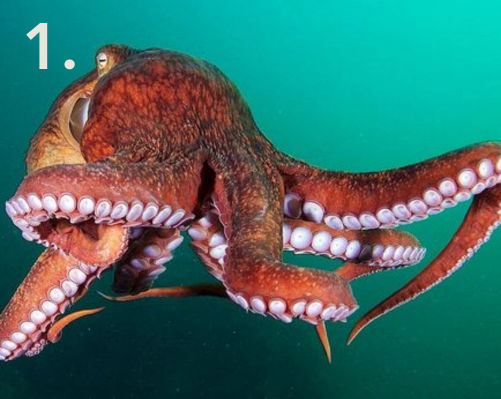
1. The Giant Pacific Octopus is the largest octopus species in the world and can grow to incredible sizes with an arm span reaching up to five meters. This highly intelligent creature lives in the cold waters of the Pacific Ocean where it hunts at night using its powerful arms and hundreds of suction cups to capture crabs and lobsters while showing an amazing ability to solve complex puzzles and open jars.

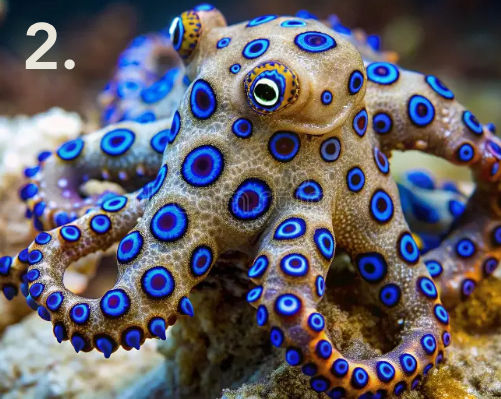
2. The Blue-Ringed Octopus is a very small creature measuring only twelve to twenty centimeters but it is one of the most dangerous animals in the ocean. This beautiful octopus features bright blue rings that flash all over its body when it feels threatened to warn predators of its extremely toxic venom which can be deadly to humans in just a few minutes.

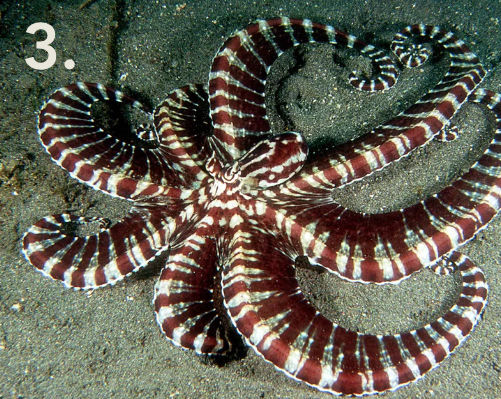
3. The Mimic Octopus is the ultimate master of disguise in the marine world because it can change not only its color and skin texture but also its physical shape to impersonate other sea creatures. To scare away predators or hunt for food this brilliant animal can flawlessly mimic the movement and appearance of venomous lionfish sea snakes and flatfish.

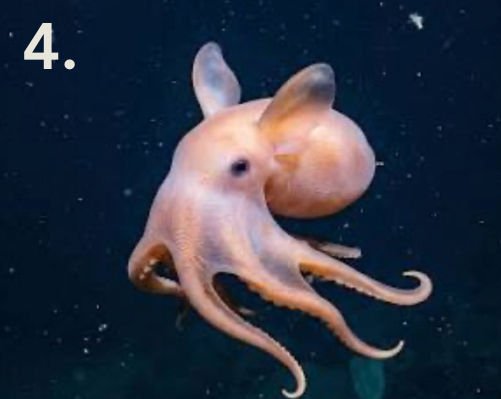
4. The Dumbo Octopus is a wonderful and cute creature that lives in the absolute darkness of the deep sea thousands of meters below the surface. It gets its famous name from two large fins on its head that look exactly like the ears of Disney's flying elephant Dumbo which it flaps gently to swim through the deep ocean currents.
Giant Pacific Octupus - Flofaunes

HOW MANY OCTOPUS

Scientists have identified and cataloged around three hundred different species of octopuses swimming in the global oceans. These highly intelligent invertebrates belong to the cephalopod family and can be found in every single ocean on Earth ranging from warm shallow coral reefs to the absolute freezing darkness of the deep sea miles below the surface. The variety among these species is truly incredible because the family includes everything from the tiny wolfi octopus which is smaller than a human fingertip and weighs less than a single gram to the massive giant Pacific octopus which can grow up to five meters across

CRUSTACEANS
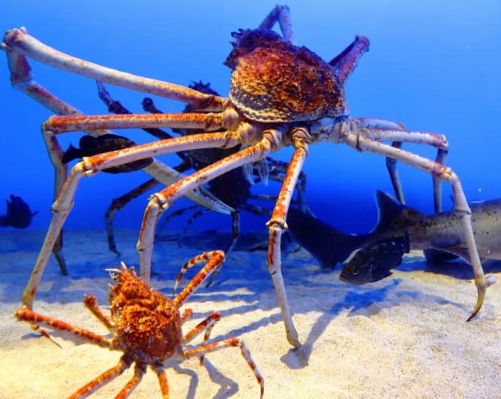
🦀 The Japanese Spider Crab is the absolute giant of the crustacean world and holds the record for the largest leg span of any arthropod on Earth. This massive creature lives in the deep waters around Japan and can reach an incredible leg span of nearly four meters from the tip of one claw to the other while its armored body blends perfectly with the dark ocean floor where it walks slowly like a giant marine spider.

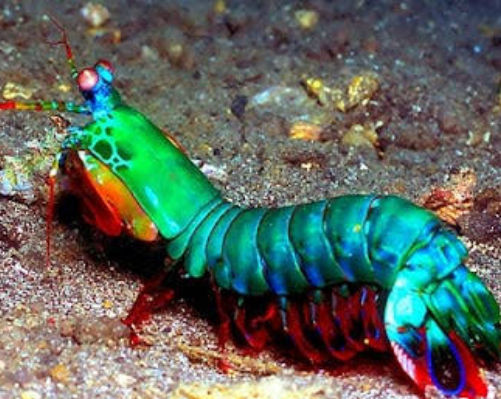
🦞 The Peacock Mantis Shrimp is one of the most colorful and extraordinary creatures in the ocean because it possesses the most complex eyes in the animal kingdom and can strike with unbelievable power. This small crustacean can punch its prey with the speed of a bullet from a gun creating a shockwave so powerful that it easily breaks the hard shells of crabs and can even shatter the glass of a thick aquarium tank.

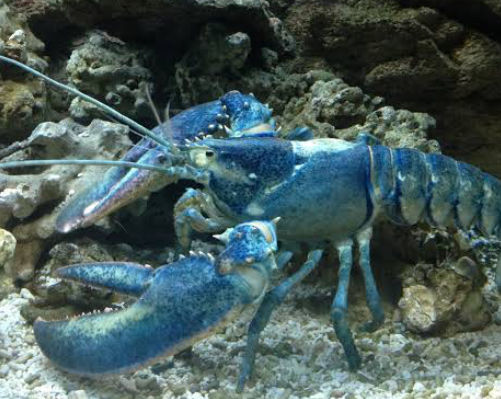
🦞 The American Lobster is usually dark greenish brown but a rare genetic variation can turn its entire body into a stunning bright sapphire blue. This magnificent colored crustacean is incredibly rare in nature appearing only once in every two million individuals and its bright metallic reflection makes it look like a precious jewel walking on the ocean floor.

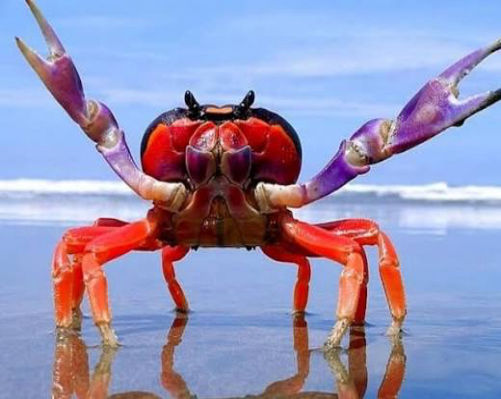
🦀 The Harlequin Crab is a very small and beautiful crustacean that is famous for its striking pattern of bright white pink and dark red spots over its entire body. This colorful little crab lives in a unique partnership with large sea cucumbers clinging tightly to their bodies for protection from predators and looking like a beautifully painted miniature sculpture against the ocean background.

HOW MANY CROSTACEANS

There are currently more than fifty thousand described species of crustaceans living in the waters around the world. This massive biological group includes not only the larger colorful crabs and lobsters that we often see but also tiny krill hermit crabs barnacles and microscopic organisms that make up the vital marine zooplankton. Scientists often explain that crustaceans are so incredibly successful and diverse that they are essentially the insects of the sea.

CORALS
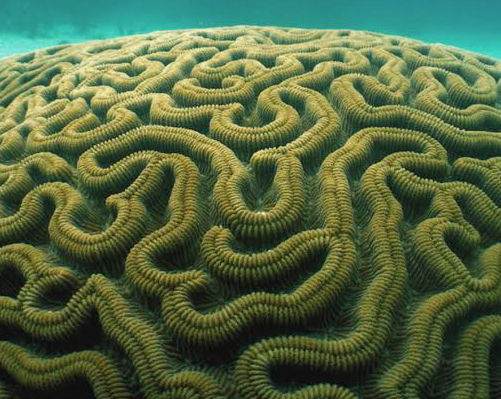
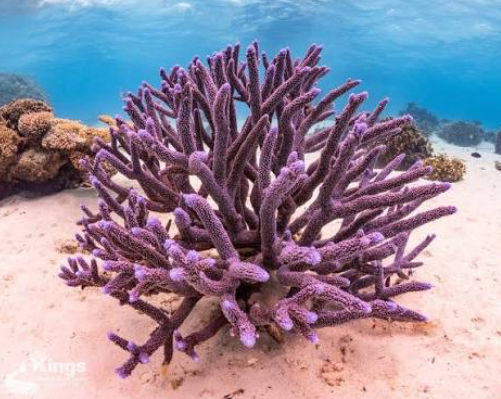
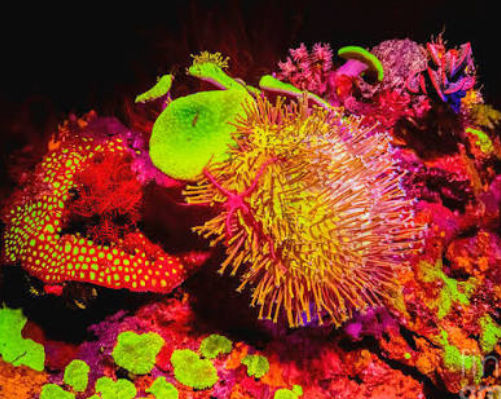
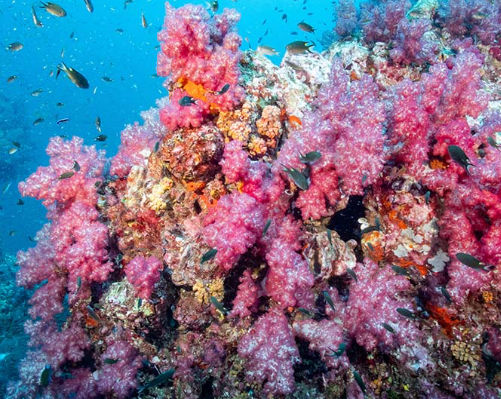
Coral reefs are often called the rainforests of the sea and while many people mistake them for colorful underwater plants or rocks they are actually magnificent structures built by billions of tiny marine animals known as coral polyps. These extraordinary living cities occupy less than one percent of the entire ocean floor but they provide a vital home protection and nursery space for more than twenty-five percent of all marine species including hundreds of beautiful fish crustaceans and sea turtles. Tragically these vital ecosystems are facing massive danger from rising water temperatures which causes a stressful phenomenon known as coral bleaching where the corals lose their vibrant colors turn completely white and can slowly die if the water stays warm for too long.

HOW MANY CORALS

Marine biologists have officially identified and cataloged around six thousand different species of corals inhabiting the world's oceans. This vast biological family is divided into hard corals which secrete calcium carbonate to slowly build the massive foundations of tropical reefs and soft corals which look like flexible underwater trees moving gently with the ocean currents. Remarkably these six thousand species do not just live in warm shallow tropical waters because more than half of all known coral species actually thrive in the absolute darkness and freezing temperatures of the deep sea thousands of meters below the surface where they grow very slowly and create vital habitats for unique deep-sea creatures.

Incredible Recent Discoveries

The deep ocean remains one of the least explored places on Earth but international scientific missions like the global Ocean Census have recently discovered over eleven hundred brand new marine species hidden thousands of meters beneath the waves. Among the most fascinating new findings is a mysterious deep-sea Ghost Shark discovered in the Coral Sea off the coast of Australia which belongs to an ancient evolutionary lineage that split from regular sharks nearly four hundred million years ago long before the time of the dinosaurs. In the freezing waters of the Southern Ocean researchers also captured a truly bizarre creature nicknamed the carnivorous death ball sponge which uses microscopic Velcro-like hooks to trap unsuspecting drifting crustaceans before slowly digesting them. Meanwhile near the deep volcanic seamounts of Japan marine biologists discovered a specialized glittering bristle worm that lives in a unique symbiotic relationship inside the complex translucent lattice of a glass sponge creating a stunning structure that scientists beautifully describe as a tiny living glass castle

© 2026 Flofaunes. All rights reserved.

How beautiful are this creatures ?