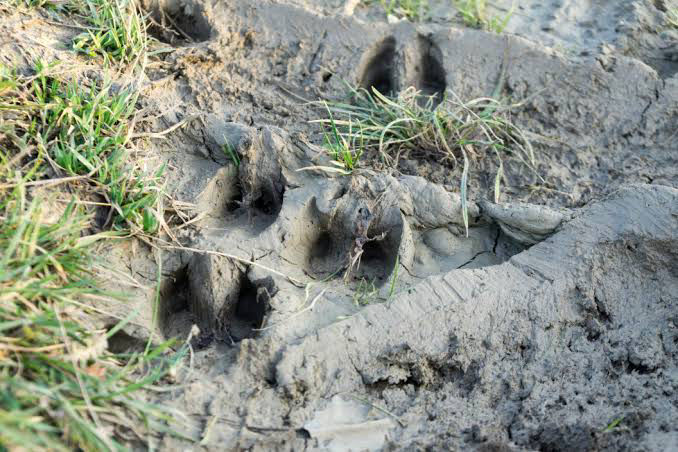
Wide, heavy hoof prints easily recognized by two small rear spurs (dewclaws) that always press deeply into the mud.
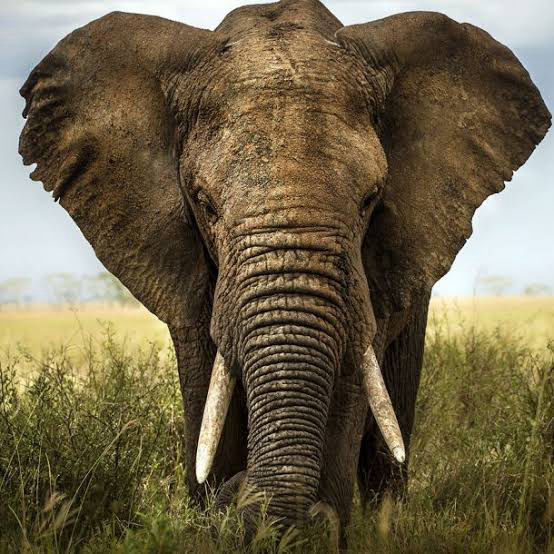
6.5k species
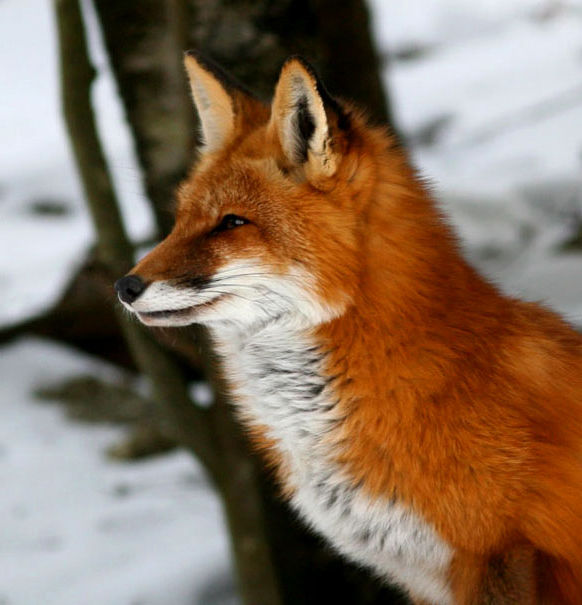
Mammals are highly adaptable animals characterized by complex social structures and high intelligence.Milk Production: Females have mammary glands to nurse and protect their young during early development.Hair or Fur: They possess hair or fur to regulate body temperature and camouflage in their environments.Reproduction: Most are viviparous (placental mammals), but a few lay eggs (monotremes like the platypus).
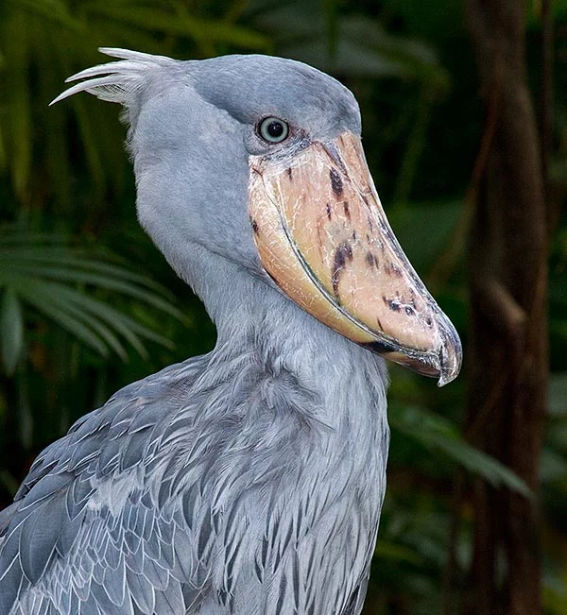
10k species
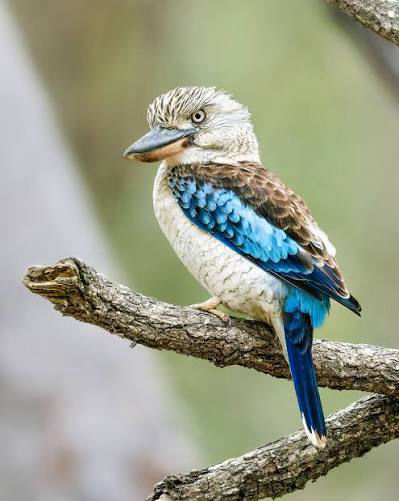
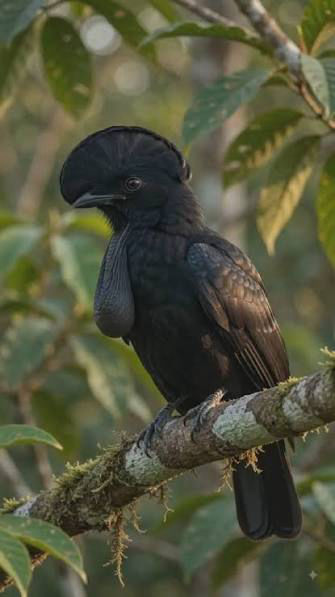
Birds are the direct, modern descendants of theropod dinosaurs, engineered for life in the air.Endothermic (Warm-blooded): They generate their own body heat, allowing them to remain active in freezing temperatures.Lightweight Skeletons: Their bones are hollow (pneumatic) to reduce weight and make flight energy-efficient.Reproduction: They are strictly oviparous (they all lay hard-shelled eggs) and often show advanced parental care.
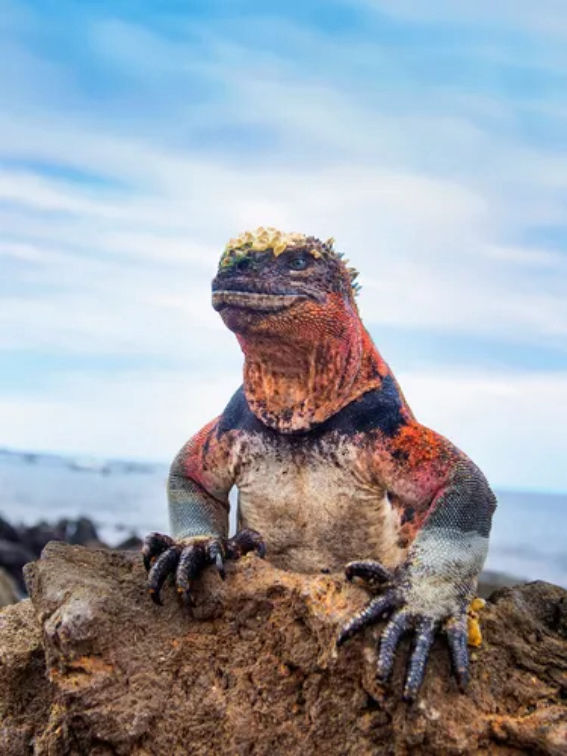
11k species
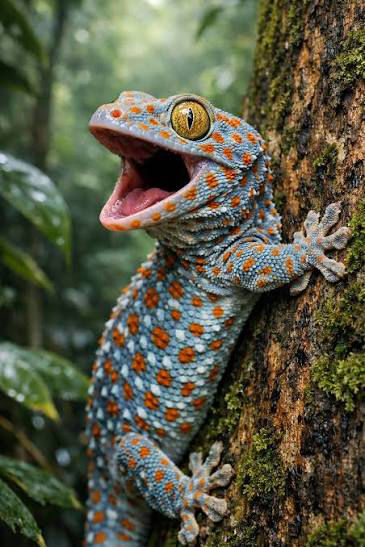
Reptiles are ancient, resilient creatures perfectly adapted to survive with minimal energy.Ectothermic (Cold-blooded): They cannot produce internal body heat; they must bask in the sun to warm up and activate their metabolism.Solitary Life: With very few exceptions, they live alone and do not form social groups or packs.Reproduction: They are incredibly diverse! They can be oviparous (lay eggs), viviparous (give birth to live young), or ovoviviparous (eggs hatch inside the mother’s body).
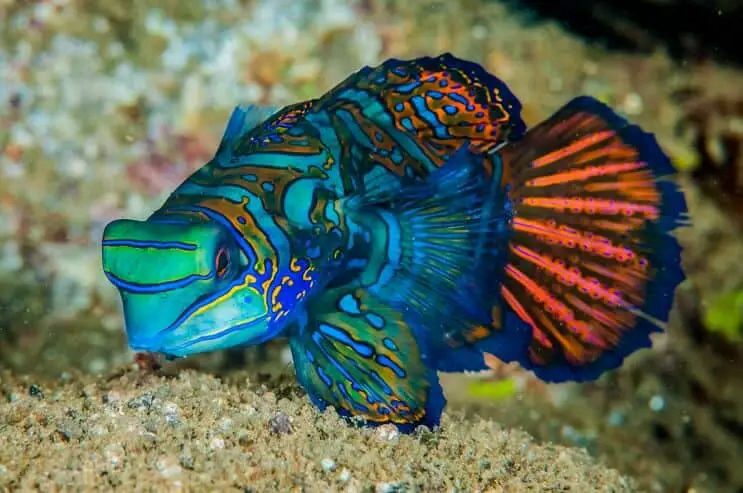
35k species
Fish are the masters of the aquatic world, breathing where land animals cannot.Gills: They absorb oxygen directly from the water through specialized respiratory organs called gills.Ectothermic: Like reptiles, their body temperature depends on the water around them.Hydrodynamic Bodies: Covered in scales and fins, they are perfectly shaped to move through water with zero friction.
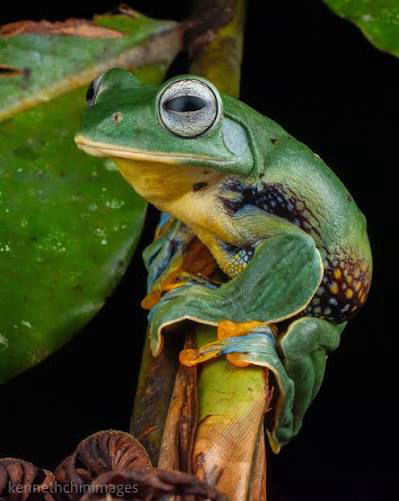
8k species
Amphibians are the masters of double life, serving as the crucial biological bridge between aquatic and terrestrial worlds.Dual Life: They hatch in water breathing through gills (as tadpoles) and later undergo radical metamorphosis to become land-dwelling adults breathing through lungs.Permeable Skin: Their skin is thin, naked, and completely lacks scales or fur. Because they absorb oxygen and water directly through their skin, they are highly sensitive to pollution and environmental changes.Vulnerability: They are currently among the most threatened animal groups on Earth due to habitat loss and climate shifts.
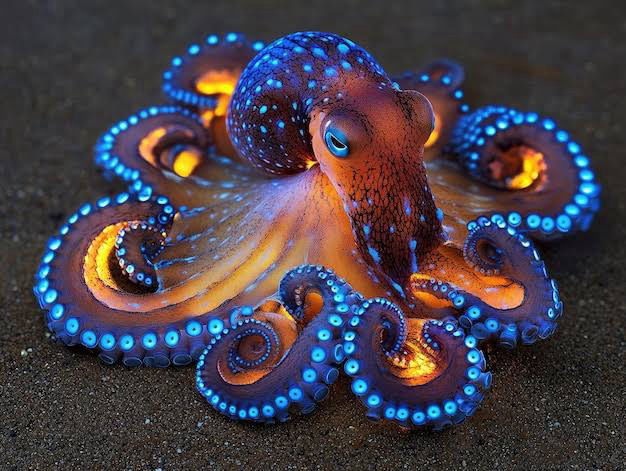
85k species
From octopuses and squids to snails and clams, mollusks are incredibly diverse and can be found everywhere, from mountain peaks to the deepest ocean trenches.Soft Bodies: They possess soft, unsegmented bodies, which are often protected by a hard external shell (like snails) or an internal shell structure (like squids).High Intelligence: Cephalopods (octopuses and cuttlefish) are recognized as the most intelligent invertebrates on Earth, capable of solving complex puzzles, using tools, and changing color instantly for camouflage.Ecological Role: They act as vital bio-indicators, helping scientists measure the health and cleanliness of marine and freshwater environments.
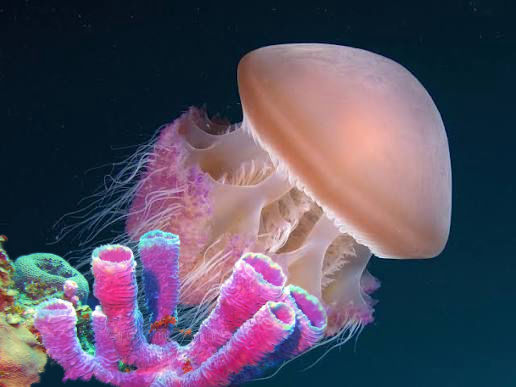
29k species
These are among the oldest animal lineages on planet Earth—evolutionary wonders that have populated our oceans for over 500 million years.Porifera (Sponges): These are the simplest multi-cellular animals. They have no brains, no hearts, no muscles, and no internal organs. They live attached to the sea floor, surviving by constantly filtering water through their porous bodies to capture nutrients.Cnidarians (Jellyfish & Anemones): These creatures have radically simple bodies made almost entirely of water (up to 95%). Instead of a centralized brain, they navigate the world using a decentralized "nerve net" and specialize in drifting gracefully through ocean currents.Ecosystem Builders (Corals): Corals are actually colonies of thousands of tiny living cnidarian animals called polyps. Together, they build massive calcium carbonate structures that form coral reefs. While covering less than 0.1% of the ocean floor, these reefs provide shelter and food for over 25% of all marine life on Earth.
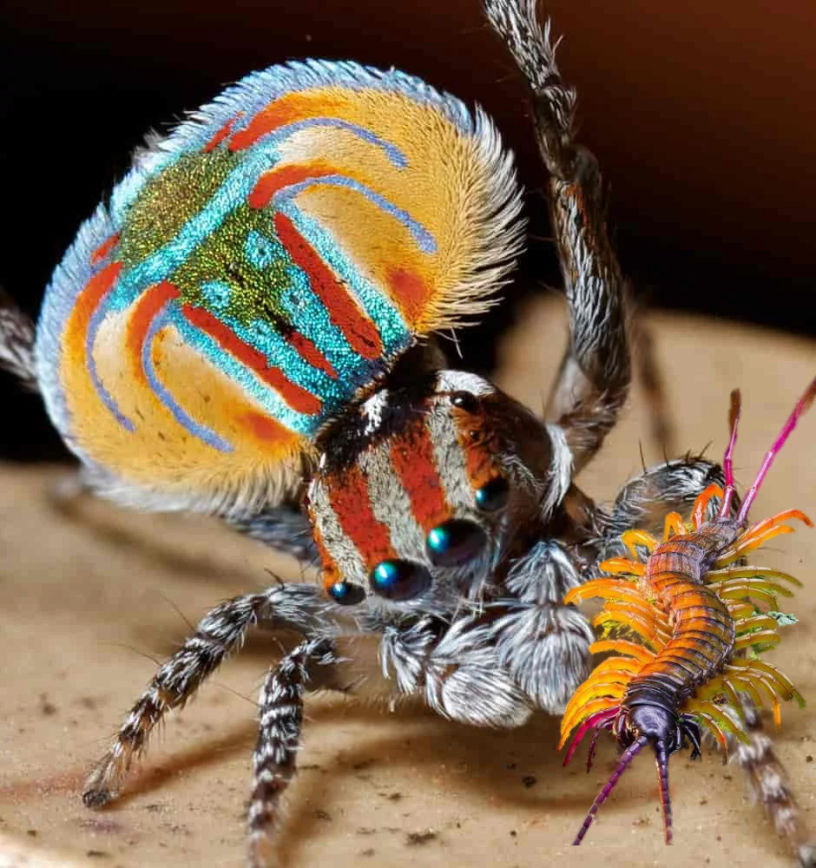
120k species
Spiders, scorpions, ticks, and harvestmen. While frequently confused with insects, arachnids belong to a completely distinct evolutionary branch.8 Legs: Unlike insects (which always have 6 legs), arachnids strictly possess 8 legs. Their body is also divided into just two main parts (cephalothorax and abdomen) instead of three.No Antennae or Wings: They completely lack wings and antennae, relying instead on highly sensitive hairs to detect vibrations and movements in their surroundings.Natural Protectors: As efficient predators, they serve as nature's invisible guardians, controlling insect populations globally and keeping ecosystems in perfect balance.
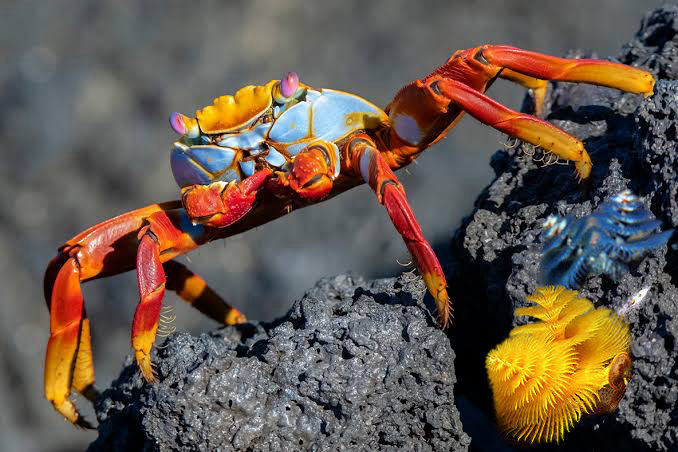
67k species
This group includes the engineers of the soil and the armored creatures of the aquatic depths. Crustaceans (crabs, shrimps, lobsters) are the marine relatives of insects, protected by a sturdy calcareous shell called a carapace. Annelids (such as earthworms) have soft bodies divided into ring-like segments; their constant burrowing is vital because it oxygenates the soil and makes it fertile for plants.
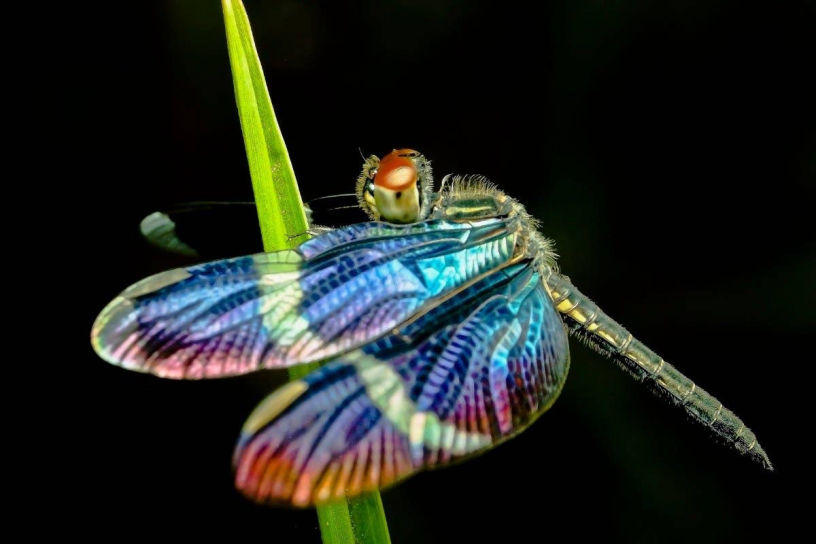
1.05 m species
This is by far the largest, most diverse, and most successful class of animals on planet Earth. Insects clearly differ from arachnids because their body is divided into three distinct parts (head, thorax, and abdomen), they possess a pair of antennae, and they move exclusively on six legs. Many of them have also developed wings to fly. They perform irreplaceable ecological roles, such as the pollination of the world's flora and the recycling of organic.
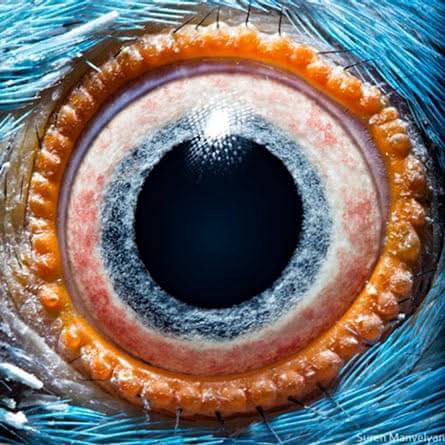
Who has them: Lions, tigers, wolves, eagles, and humans.
The Lifestyle: Active predators and animals that hunt or are active during the day (diurnal).
Why they need them: They provide a sharp, high-quality panoramic view.
They help accurately judge the distance of fast-moving prey during long chases.
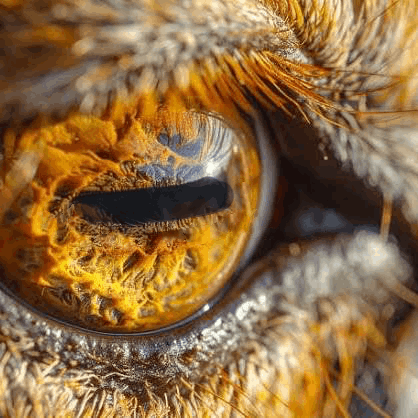
Who has them: Goats, sheep, horses, deer, and frogs.
The Lifestyle: Plant-eating animals and prey that need to stay safe while grazing.
Why they need them:
They offer a wide, 360-degree panoramic view to spot predators from any direction.They keep the horizon perfectly in focus, even when the animal lowers its head to eat.
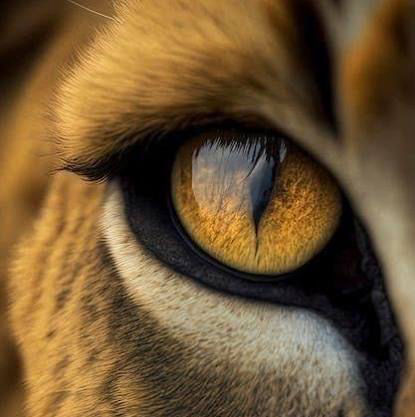
Who has them: Domestic cats, foxes, crocodiles, and vipers.
The Lifestyle: Small predators and ambush hunters that are highly active at night (nocturnal).
Why they need them:
They allow extreme control over light, shrinking completely to protect sensitive eyes during the day.They help calculate the exact distance needed to pounce on a prey without moving.
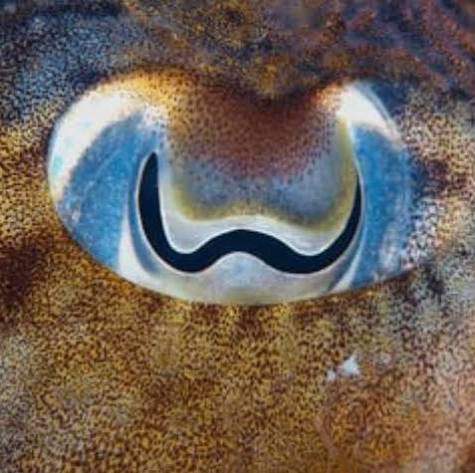
The "W-Shaped" Pupil (Cuttlefish)The cuttlefish lives underwater, where light comes from many different angles. Its amazing W-shaped pupil unevenly balances the bright light coming from above and the dim light from the sea floor. This allows the cuttlefish to spot predators and prey with incredible contrast, even in murky water.
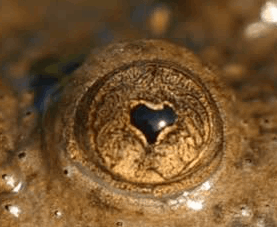
The "Heart or Triangle" Pupil (Fire-Bellied Toads)Some amphibians, like the fire-bellied toad, have pupils that shrink into a heart or triangle shape. Scientists believe this specific design helps them look in multiple directions at the same time, making it easier to spot tiny insects flying around them.
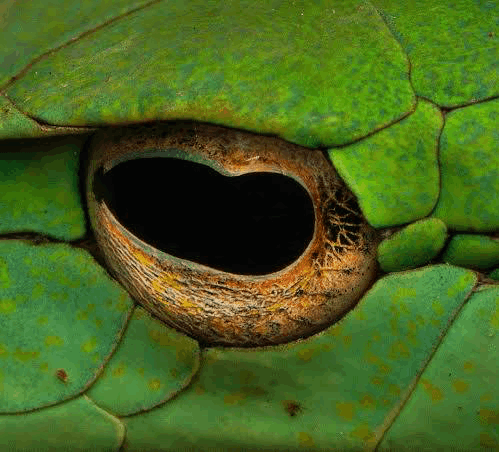
The "Keyhole" Pupil (Vine Snakes)The Asian vine snake lives in trees and needs to strike camouflaged prey among leaves. Its horizontal pupil expands at the front into a keyhole shape. This creates a specialized binocular vision, allowing the snake to lock onto a target and calculate distances with millimeter precision.
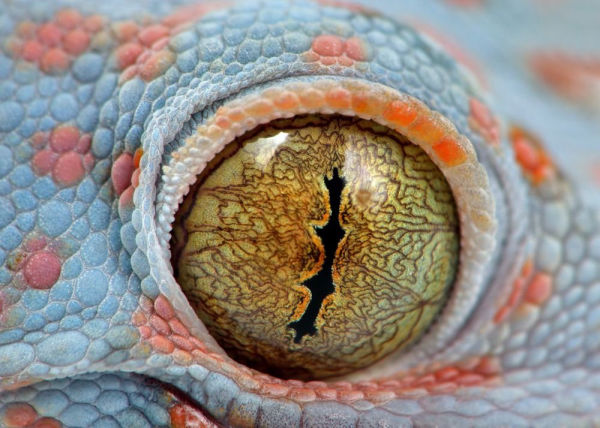
The "Multi-Pinhole" Pupil (Geckos)Night-hunting geckos have huge, sensitive eyes. To protect them from blinding sunlight during the day, their vertical pupils close down tightly. Instead of disappearing, they leave behind four tiny diamond-shaped pinholes. This unique system lets them see perfectly in broad daylight without damaging their eyes.
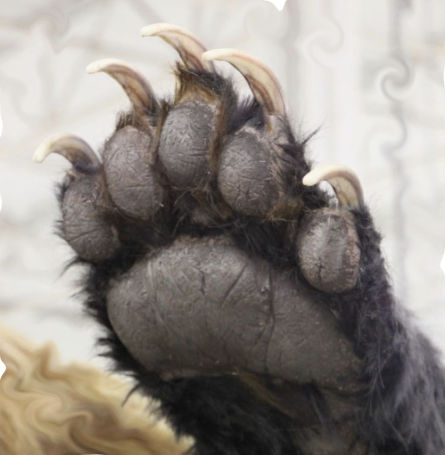
Why? Structural Stability The Blueprint: Bears, primates, and humans walk flat on the entire sole of the foot, from heel to toe.
The Purpose: This architecture is not built for explosive speed, but for maximum load endurance and balance. By placing the entire skeletal base on the ground, plantigrades gain a massive, stable platform. This allows them to easily support their full weight on their hind legs, dig into hard soil with immense force, and climb vertical obstacles without slipping.
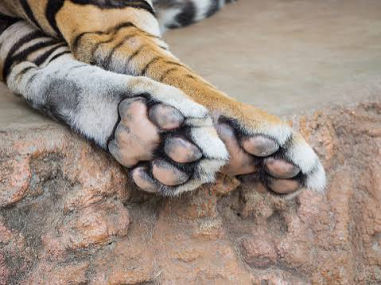
Why? Silent
The Blueprint: Cats, dogs, and wolves walk strictly on their digits (toes), keeping their heels permanently elevated high off the ground.
The Purpose: Walking on tiptoes effectively extends the length of the leg, giving predators longer strides and mechanical leverage. This structure acts as a natural shock absorber, allowing felines and canines to compress their joints and stalk prey in total silence. It also stores elastic energy in the tendons, acting like a loaded spring for sudden, explosive acceleration.
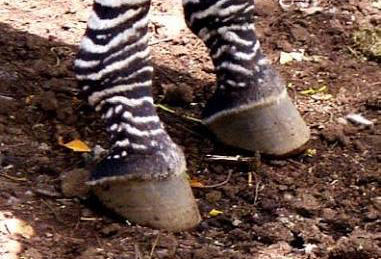
Why? High-Velocity EnduranceThe
Blueprint: Horses, sheep, and deer walk on the extreme tip of their last toe bone, which has evolved into a compact horn hoof.T
The Purpose: To outrun apex predators in wide-open plains, prey animals need to minimize friction. Evolution achieved this by reducing the foot's contact area with the ground to a single, hard point. By lifting the heavy muscles closer to the body and leaving only light, texturized hooves at the bottom of the leg, ungulates can maintain extreme speeds over long distances with minimal energy loss.
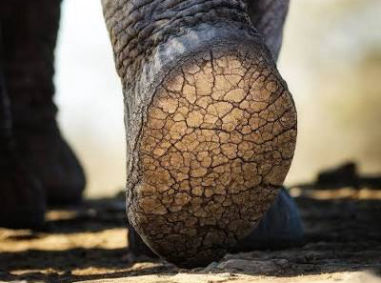
Why? Structural Load ManagementThe Blueprint: Massive mammals exceeding a threshold of one ton (such as elephants and rhinoceroses) possess vertical, pillar-like limb structures where the phalanges are arranged in a circular configuration around a dense, fibro-fatty hydraulic cushion.
The Purpose: At this scale, traditional joints would collapse under intense impact forces. The graviportal foot operates as an active hydraulic dampening system. Upon substrate impact, the internal fatty pad expands laterally, absorbing mechanical shocks and distributing the immense weight evenly across the entire surface area. This prevents skeletal micro-fractures and allows heavy species to traverse fragile ground silently.
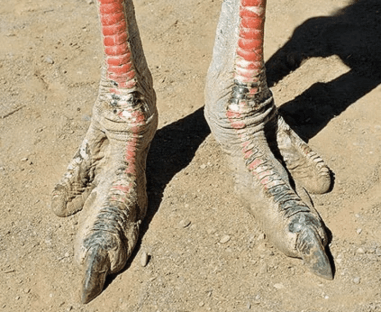
Why? Dynamic Kinetic LeverageThe
Blueprint: Birds possess a unique modification where the ancestral ankle and metatarsal bones are completely fused and vertically elongated into a singular skeletal column called the tarsometatarsus.
The Purpose: What appears to be the bird's lower leg is actually an elongated, inverted foot. This architecture moves heavy muscle mass upward, sealing it close to the body's center of gravity to ensure aerodynamic stability during flight. Mechanically, this elongated column operates like a loaded spring or a miniature trampoline, capturing kinetic energy during high-impact landings and generating immediate, explosive upward leverage for takeoff.
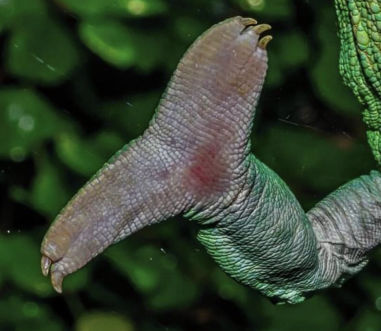
Why? Three-Dimensional GripThe
Blueprint: Arboreal primates and certain marsupials have completely abandoned flat weight-bearing locomotion, evolving a highly mobile hallux (big toe) that is fully opposable to the remaining digits, turning the foot into a hand-like structure.
The Purpose: On high-altitude, unstable branches, pushing off a flat surface would result in fatal falls. The pedimanous foot is designed to close around the terrain rather than step on it. By wrapping the structural bones around three-dimensional branch networks, this prehensile mechanism establishes a mechanical lock, providing maximum grip and multidirectional locomotion in complex arboreal ecosystems.
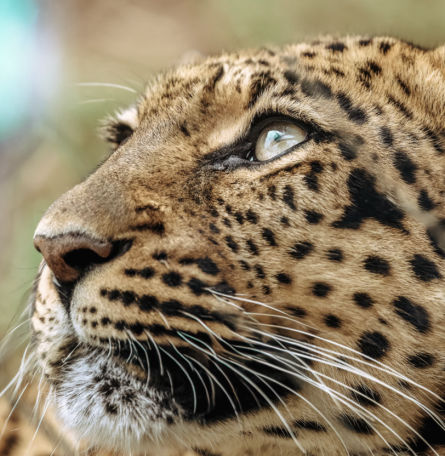
Mammals: The Thermoregulatory
Fur does not simply "create heat". It is a complex thermodynamic dead-space manager that traps a static layer of air close to the epidermis, acting as a barrier against both freezing cold and extreme desert heat. In many species, individual guard hairs are hollow tubes designed to conduct solar radiation directly down to a dark epidermis that absorbs 100% of the ultraviolet thermal energy.
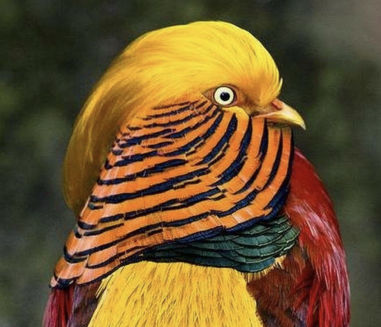
Birds: The Aerodynamic Insulator
Feathers primary original function was thermal regulation, not flight. The feathered skin acts as an adjustable micro-climate engine: by contracting microscopic muscles attached to each follicle, a bird can alter the angle of its plumage to trap heat or release moisture. Specialized powder-down follicles disintegrate into a microscopic powder that chemically repels water without requiring heavy oils.
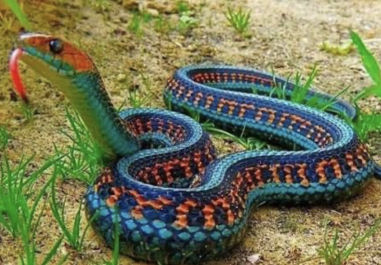
Reptiles: The Osmotic
The common myth is that scales function like iron shields against predators. Their true evolutionary purpose is dehydration prevention. Reptilian scales are bound together by a specialized, waxy lipid layer within the stratum corneum. This creates a completely waterproof, impermeable barrier that locks moisture inside the body, allowing reptiles to thrive in hyper-arid environments.
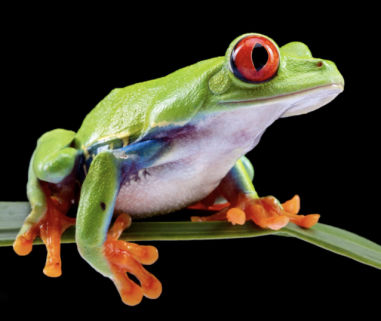
Amphibians: The Permeable
This skin is completely "naked" and fully permeable, operating as a bidirectional respiratory and hydration filter. Amphibians absorb water directly through their skin rather than drinking. It also acts as an auxiliary lung, dissolving oxygen into a thin layer of mucus so it can pass directly into a massive network of blood vessels. If the skin dries out, the animal suffocates.
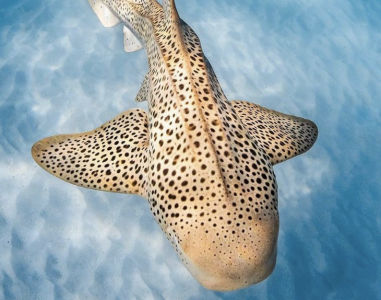
Sharks:
The Hydrodynamic
The skin of sharks is covered by millions of microscopic, tooth-like structures made of dentine and enamel, called dermal denticles. These "teeth" are aligned toward the tail and feature precise longitudinal grooves that channel water flow smoothly. This drastically reduces drag and prevents turbulence, acting as an integrated hydrodynamic racing suit to maximize swimming efficiency.erage for takeoff.
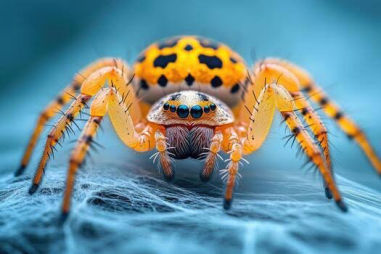
Arthropods: The Pressurized Shield
Insects and spiders have fused their skin and skeletal systems into a rigid external layer made of a chitin-protein matrix. Its primary evolutionary role is hydraulic containment and anti-evaporation pressure. This rigid skin lock prevents internal fluids from evaporating and provides solid internal anchor points for muscles. To grow, the animal must shed this entire skin-skeleton.
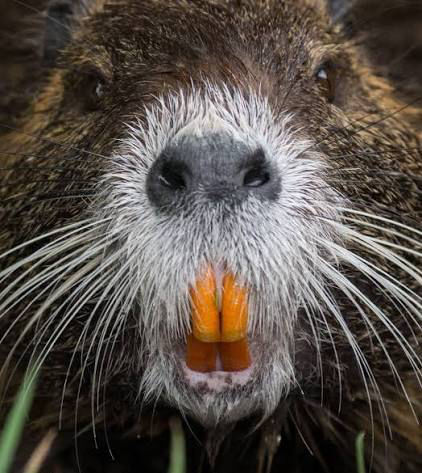
Rodents: The Indestructible
Rodent teeth do not grow like human teeth; they have open roots and grow continuously throughout life. The true evolutionary masterpiece is their self-sharpening mechanism. The front of the incisor is coated in rock-hard, orange-iron enamel, while the back is made of soft dentine. As the animal gnaws, the softer back wears away faster than the front, creating a razor-sharp, chisel-like edge that never goes dull.
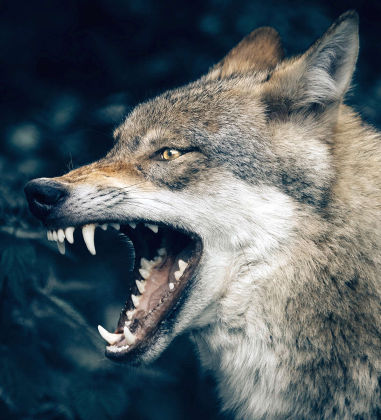
Carnivores: The Carnassial Mechanics
Textbooks state that carnivores use their fangs (canines) to chew meat. This is false; they cannot chew at all because their jaws only move up and down, never sideways. For processing food, they rely on modified premolars and molars called carnassial teeth. These teeth act exactly like industrial scissor blades, slicing through tough skin, tendons, and muscle fibers with a single, vertical mechanical shear.
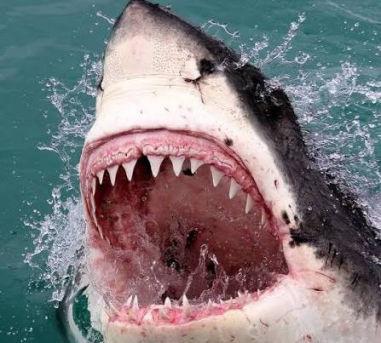
Sharks: The Infinite Tooth Factory
Shark teeth lack roots and are not anchored to the jawbone, but sit directly in the mucous membrane. They are arranged in multiple parallel rows operating like a dynamic conveyor belt. When a front tooth is damaged or lost during a hunt, a fully formed tooth from the row behind automatically moves forward to replace it within 24 to 48 hours, ensuring the animal always has peak predatory efficiency.
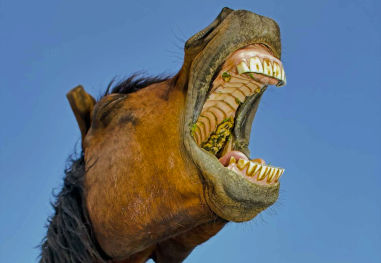
Lagomorphs & Equines: The Silica Crushers
Animals like horses and rabbits feed on abrasive vegetation loaded with silica (microscopic glass-like crystals). To prevent their teeth from grinding down to the bone, they developed high-crowned teeth (hypsodont architecture) that continuously erupt from the gums. This structural biological reserve compensates for the extreme, daily mechanical friction caused by crushing plant cellulose.
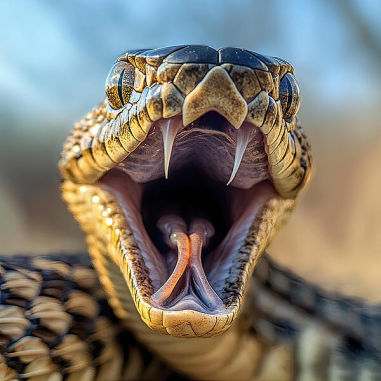
Vipers & Elapids: The Hypodermic Syringes
Poisonous snake fangs are not simple teeth; they are a masterpiece of bio-engineering. These teeth are completely hollow, featuring an internal microscopic canal connected directly to the venom gland. When the snake strikes, the mechanical pressure folds the fangs forward and acts like a medical hypodermic syringe, injecting pressurized toxins deep into the prey's bloodstream in milliseconds.
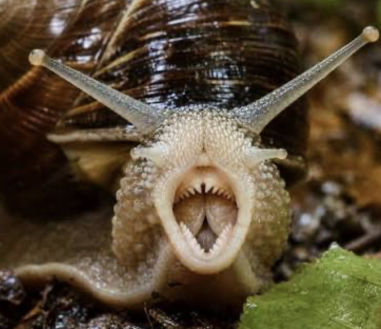
Gastropods: The Radula Mechanics
Snails and slugs do not have jaws, yet they process tough vegetation using an extraordinary evolutionary tool called the radula. This is a biological ribbon covered with up to 25,000 microscopic teeth made of chitin and iron compounds. Operating like an industrial grater or a chainsaw, the radula scrapes against surfaces, tearing food particles apart with mechanical precision before digestion.
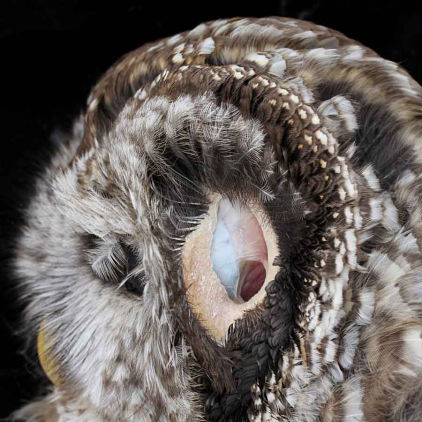
Owls: Asymmetrical 3D Mapping
Owls do not just have sharp hearing; their ear openings are completely asymmetrical, with one positioned higher than the other. Their facial feather disc acts exactly like a satellite dish, channeling sound waves into the ears at slightly different micro-seconds. This structural gap allows the avian brain to instantly calculate the precise altitude and distance of a target under the snow.
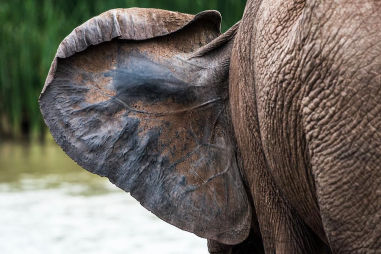
Elephants: Infrasound and Heat Exchange
The massive ears of an elephant are not just acoustic collectors for low-frequency infrasound. They function as an active blood-cooling radiator system. The skin on the ears is paper-thin and packed with a dense network of large capillaries. By constantly flapping their ears, elephants lower the temperature of the blood flowing through them, cooling their entire multi-ton body.
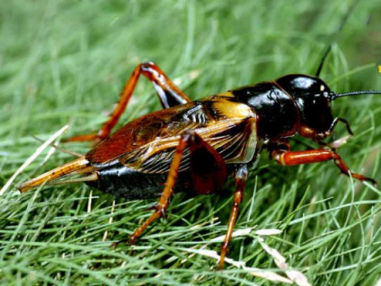
Crickets & Grasshoppers: Leg Audition
Contrary to popular belief, crickets do not possess auditory organs on their heads. Their ears, or tympanal organs, are located directly on the knees of their front legs. This anatomical layout allows them to detect acoustic vibrations traveling through the solid ground, giving them an immediate directional readout of approaching predators before the sound even travels through the air.
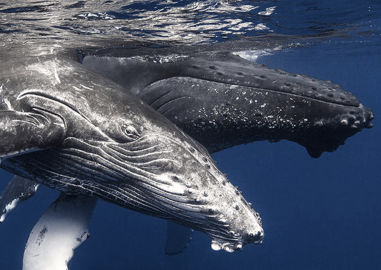
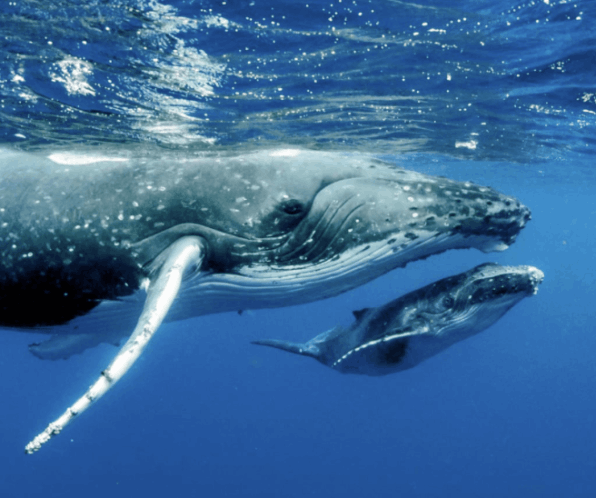
Cetaceans: The Melon Lens
Echolocation is far more complex than simply catching an echo. Marine mammals like dolphins utilize a specialized fatty mass in their forehead called the melon. The melon operates as an acoustic lens, focusing chaotic internal clicks into a highly compressed, narrow beam of sound. This projects an underwater "acoustic flashlight" that visualizes the environment in pitch darkness.
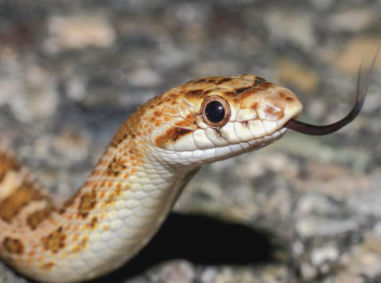
Snakes: Bone-Conduction Hearing
Snakes are frequently misclassified as completely deaf because they lack external ear structures and tympanic membranes. In reality, they navigate the world through advanced bone conduction. The bones of their lower jaw are highly mobile and pick up subterranean seismic vibrations directly from the soil, transferring the acoustic kinetic energy straight into their internal ear system.
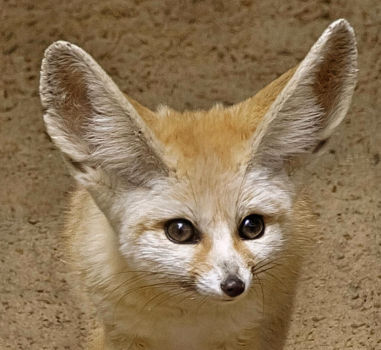
Fennec Foxes: Dermal Desert Adaptation
The oversized ears of the Fennec fox dissipate desert heat, but they possess a hidden mechanical feature. The internal ear canal is equipped with dynamic muscular valves and specialized hair clusters. During severe desert sandstorms, these valves contract to seal the canal completely, protecting the delicate internal eardrum from extreme wind pressure and abrasive silica dust.
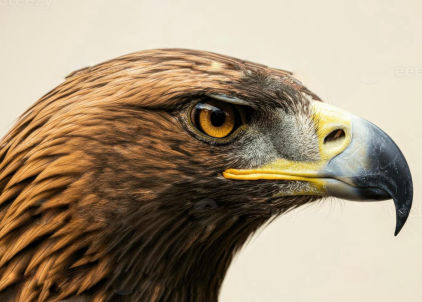
Birds: Unidirectional Airflow
Humans breathe in and out, leaving stagnant air in the lungs. Birds completely re-engineered this system using dynamic air sacs that create a continuous, one-way loop. Their lungs receive fresh oxygen non-stop during both inhalation and exhalation, generating the extreme, consistent metabolic energy required to sustain high-altitude flight.
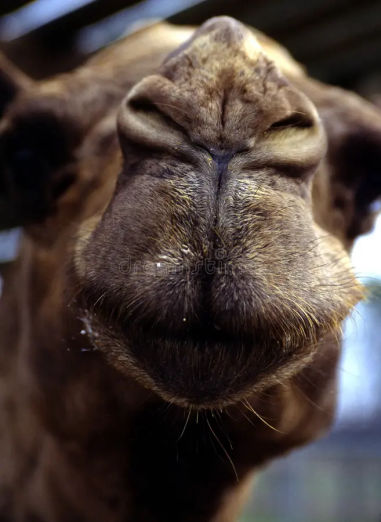
Camels: Thermodynamic Water Recovery
In hyper-arid deserts, losing water through breathing is fatal. The camel’s nasal cavities contain massive, scroll-like membranes that operate as high-efficiency condensation traps. As the animal exhales, the nose instantly strips 100% of the moisture from the warm air, cooling it down and recycling the water back into the bloodstream.
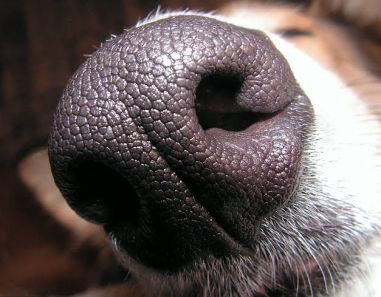
Canids: Directional Olfactory Tracking
A dog or a wolf does not just smell a scent; they map it in 3D. Their nostrils can move independently and possess separate airflow channels for breathing and sniffing. This allows for stereoscopic olfaction: the brain calculates the exact millisecond difference of when an odor enters the left or right nostril, instantly computing the prey's direction.
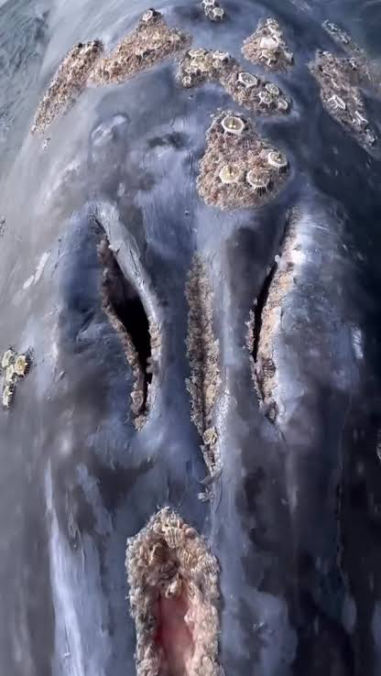
Cetaceans: Pressure-Sealed Valves
The blowhole of whales and dolphins is an evolutionary nasal migration to the top of the skull, sealed by heavy, waterproof muscular valves. Unlike land mammals, their breathing is entirely conscious, not automatic. The valves remain tightly closed by default; the animal must actively expend muscular force to open them only when breaching the surface.
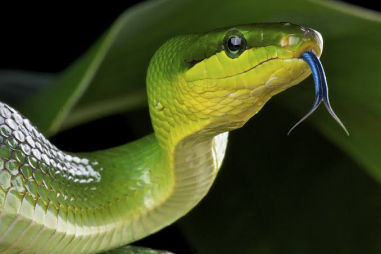
Squamates: The Jacobson Organ
Reptiles like snakes do not utilize their nostrils to sample environmental chemistry. They collect microscopic scent molecules from the air using their wet, flicking forked tongue. The tongue is then inserted into two specialized deep pits on the roof of the mouth—the Jacobson's Organ—transferring chemical data directly to the olfactory brain.
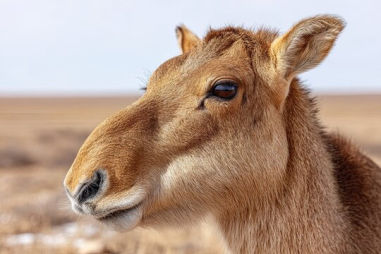
Saiga Antelopes: The Inflatable Pre-Heater
The Saiga antelope features an oversized, flexible proboscis-like nose containing an internal labyrinth of specialized chambers. In freezing winters, this massive nasal engine heats up the harsh arctic air before it impacts the lungs. In dry summers, its dense internal hair filtration blocks immense clouds of dust kicked up by the migrating herd.
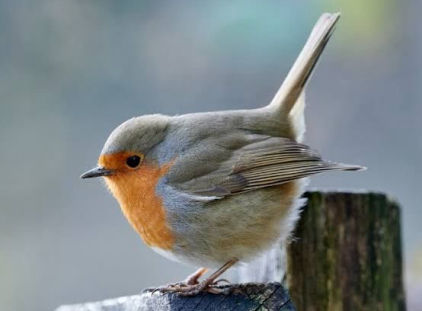
Birds: The Syrinx Mechanics
Birds do not possess a larynx or vocal cords like humans. Instead, they produce sound through a deep, specialized organ located where the trachea splits into two, called the syrinx. This unique architecture allows birds to vibrate two independent membranes simultaneously. As a result, a single bird can sing two different notes at the precise same millisecond, creating internal two-part harmonies.
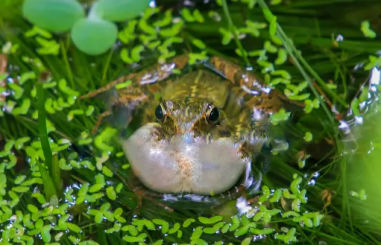
Anurans: The Inflatable Resonators
The loud croaking of male frogs is not generated by massive lung power. Their vocal cords are relatively weak. To amplify their call across miles, they utilize highly elastic skin pouches called vocal sacs. These sacs act as external acoustic amplifiers and mechanical resonators: they capture air from the lungs and trap it, vibrating intensely to multiply the volume without wasting oxygen.
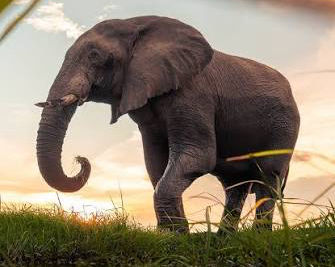
Elephants: The Laryngeal Gravity
Elephants communicate over distances of up to 10 kilometers using rumbles that are completely silent to the human ear. They possess massive, heavy vocal cords up to 8 centimeters long inside an oversized larynx. These specialized tissues vibrate at extreme low-frequencies (infrasound below 20 Hz). The acoustic waves travel both through the air and as seismic vibrations directly into the soil.
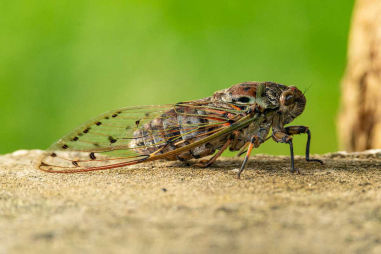
Insects: Mechanical Friction
Cicadas and crickets are famous for their loud summer songs, yet they are completely mute in their throats. They generate sound through stridulation—a purely mechanical process of friction. Crickets rub a rigid "scraper" on one wing against a comb-like "file" on the other wing. Cicadas use internal muscles to violently buckle a ribbed membrane called a tymbal, producing sound like a tiny, continuous chainsaw.
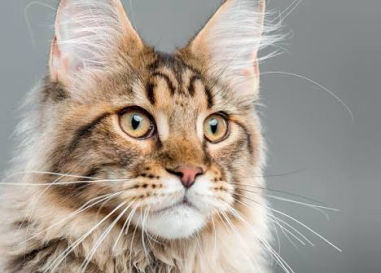
Felids: The Purring Mechanism
Unlike roaring lions, small cats cannot roar because their hyoid bone is rigid and ossified. To compensate, they developed a unique method of continuous sound production: purring. They utilize a neural oscillator that triggers involuntary, rhythmic contractions of their laryngeal muscles at 25 to 150 vibrations per second, allowing them to produce a constant acoustic hum during both inhalation and exhalation.
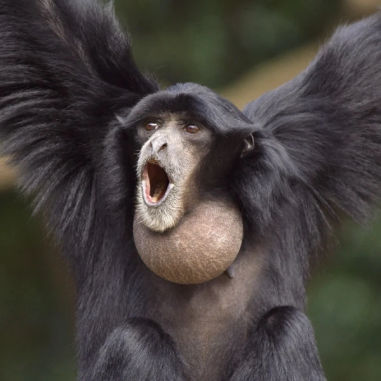
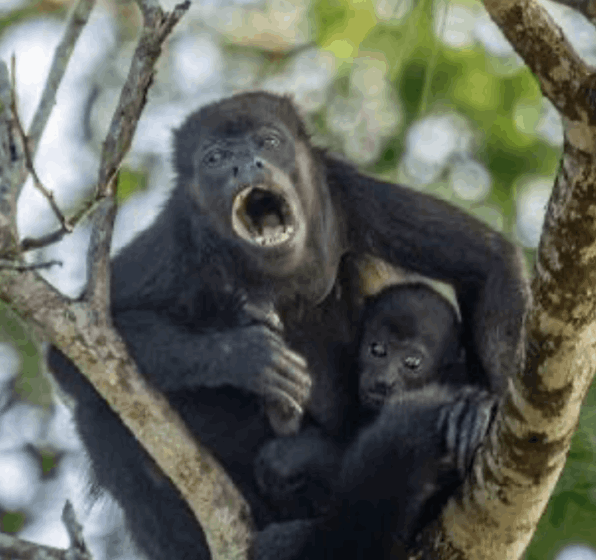
Primates: The Air Sac Dampeners
The roaring of howling monkeys or siamangs can deafen nearby animals. Textbooks often credit chest capacity. In reality, they possess enormous, inflatable laryngeal air sacs connected to their throat. When singing, these sacs swell up to the size of their entire head, functioning as a high-pressure physical subwoofer that deepens the pitch and shoots the sound through dense jungle canopies.
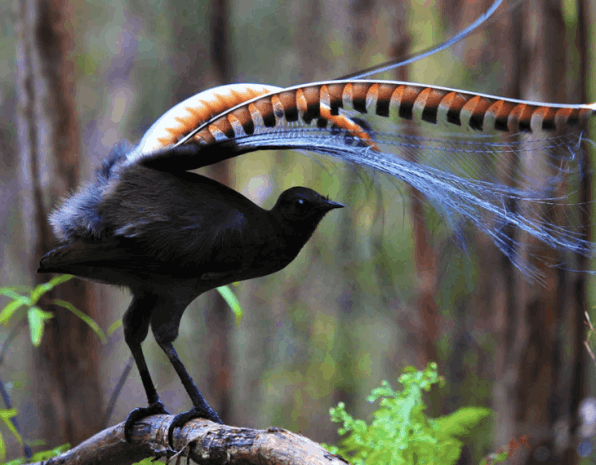
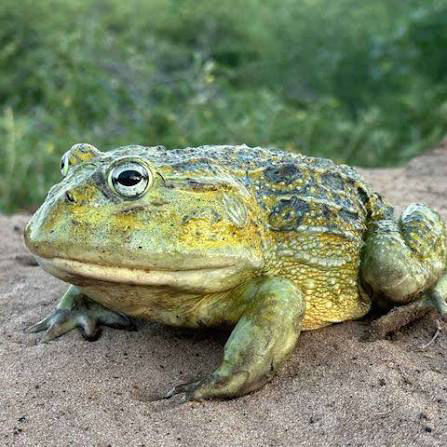
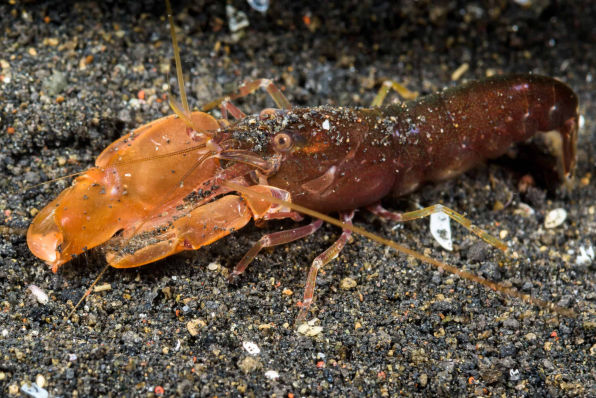
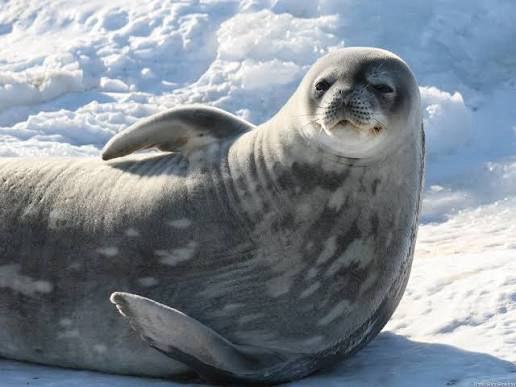
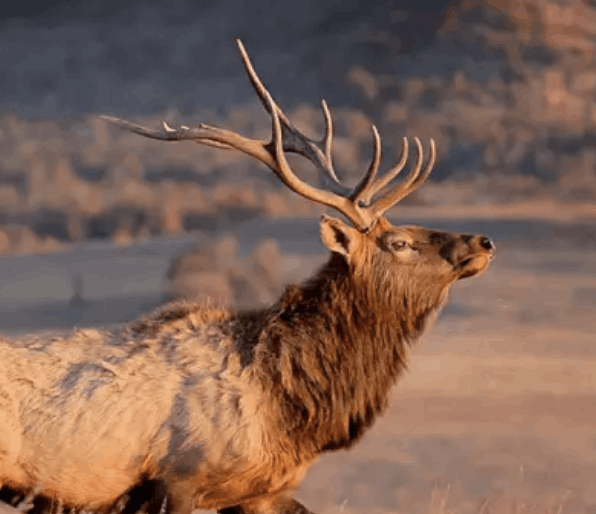
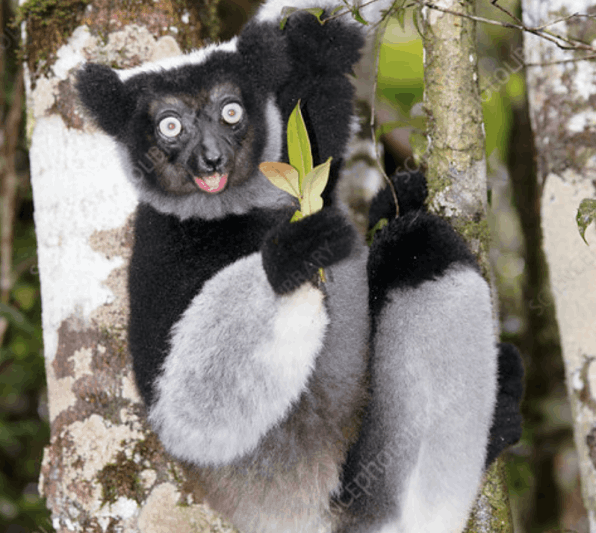
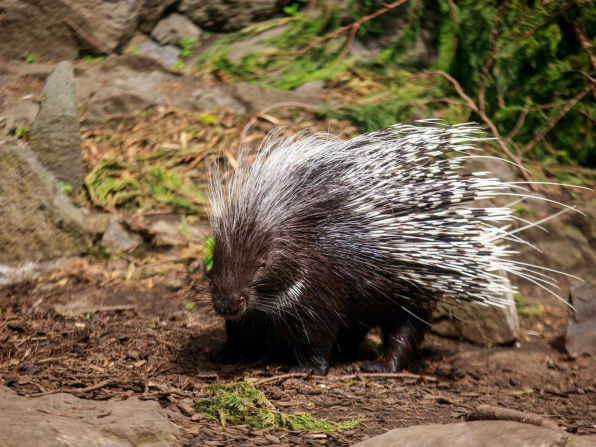
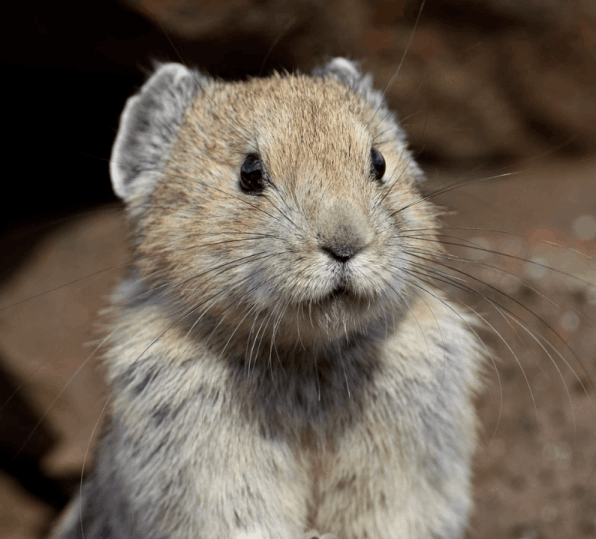
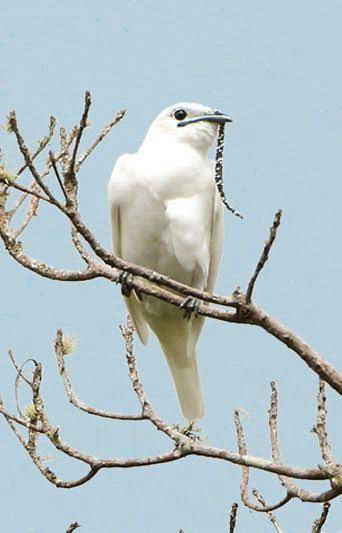
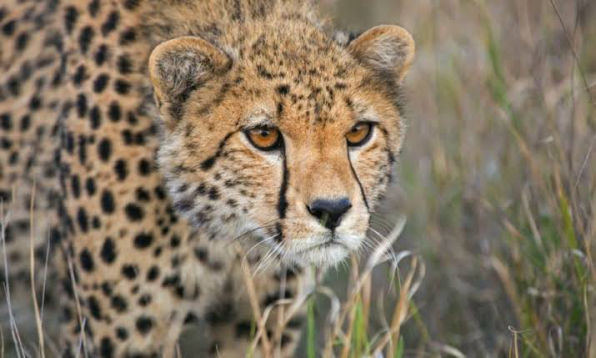
Every wild animal leaves a story behind. Learning to recognize their traces allows us to understand and respect their lives without interfering with their freedom. Discover the subtle signs of nature, from footprints in the mud to markings on tree bark
BOAR
Wide, heavy hoof prints easily recognized by two small rear spurs (dewclaws) that always press deeply into the mud.
BEAR
Massive and human-like tracks, up to 20 cm long. They show a wide heel pad and 5 distinct toes with long, sharp claw marks.
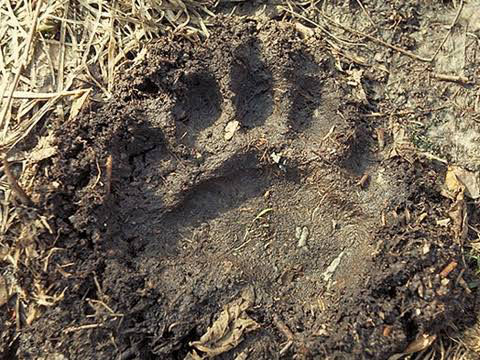
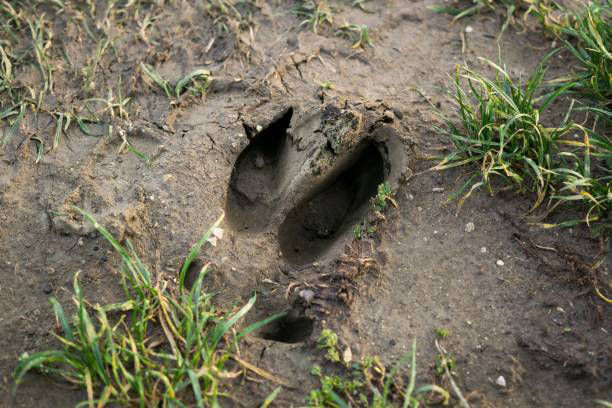
DEER
Elegant, heart-shaped hoof prints. The two halves stay tightly closed when walking, leaving a sharp and symmetrical mark.
WOLF
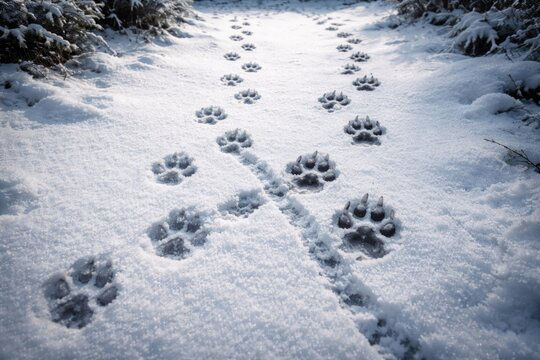
Large and oval prints (8-10 cm). The two central toes are close together, and the overall trail follows a perfectly straight line through the wild.
FOX
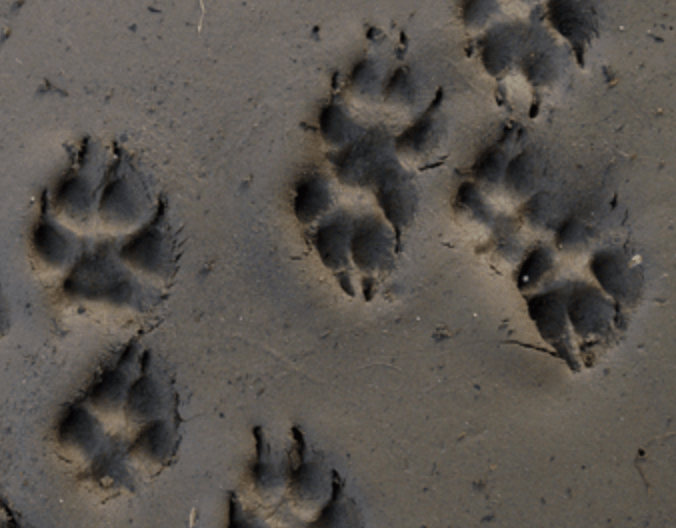
Small and elegant tracks, about 5 cm long. They are very narrow, with diamond-shaped toe pads and tiny claw marks often visible in light mud.
BADGER
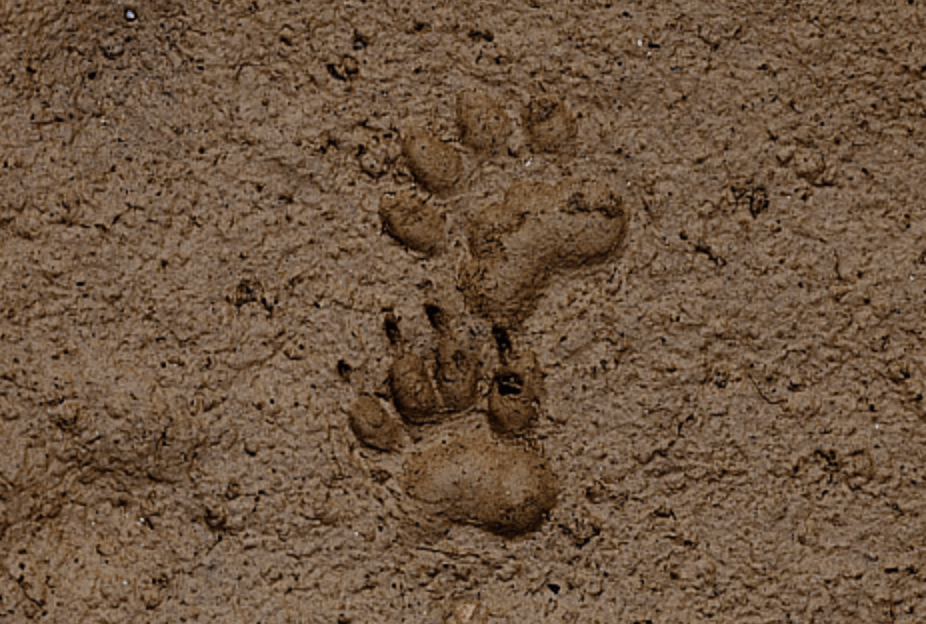
Broad and heavy prints showing a wide heel pad and 5 aligned toes. They are easily recognized by extremely long claw marks left by their digging paws.
HEDGEHOG NEST
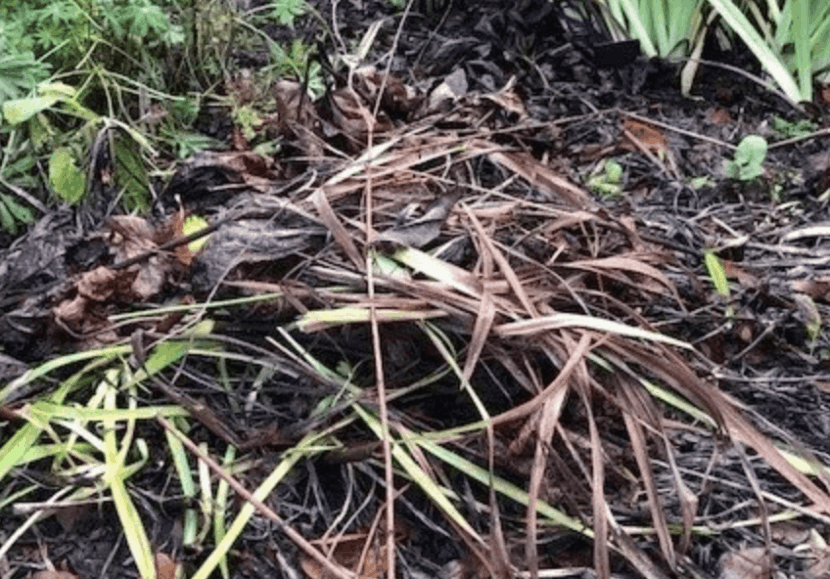
A dome-shaped shelter woven with dry leaves, grass, and twigs, built hidden under thick brambles or log piles. It provides insulation and perfect camouflage on the forest floor.
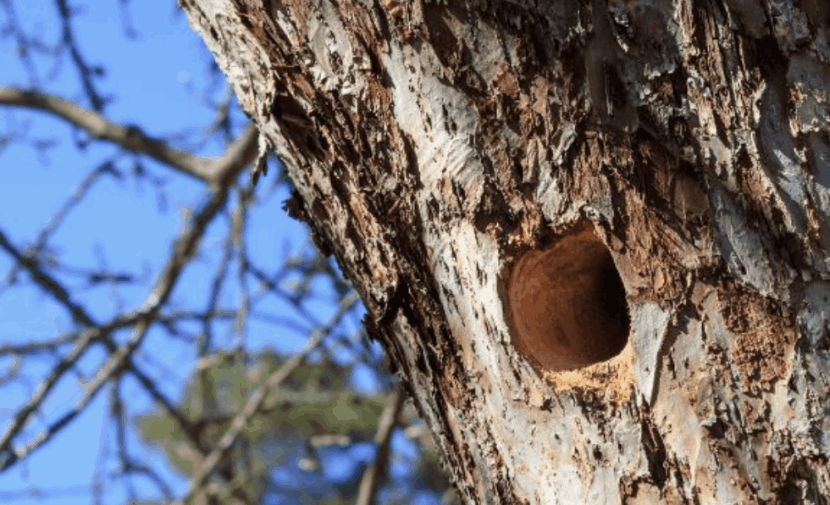
WOODPECKER HOLES
Perfectly round or oval holes drilled into dead or living tree trunks. Woodpeckers create these to search for insects or to carve out deep nests.
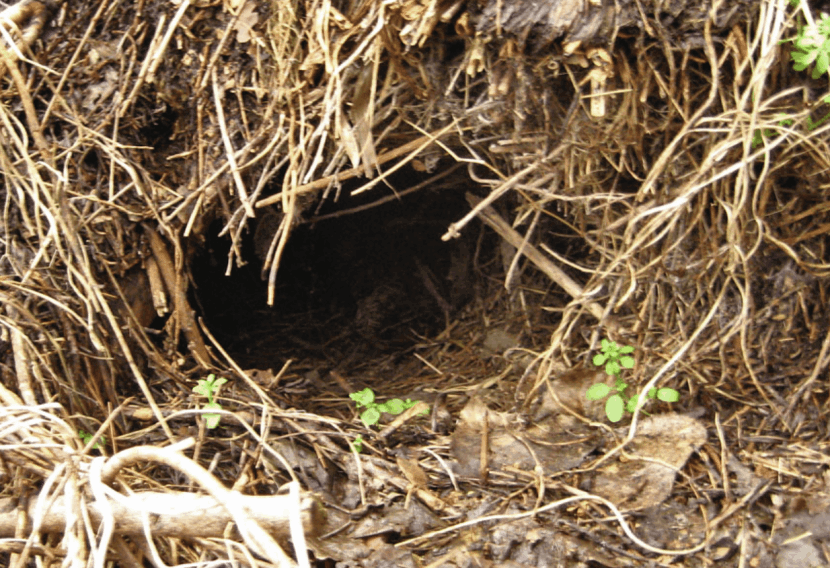
FOX BURROW
Often found on slopes in dense woods. Fox dens usually have a main entrance about 20-30 cm wide, surrounded by fresh soil and a characteristic wild scent.
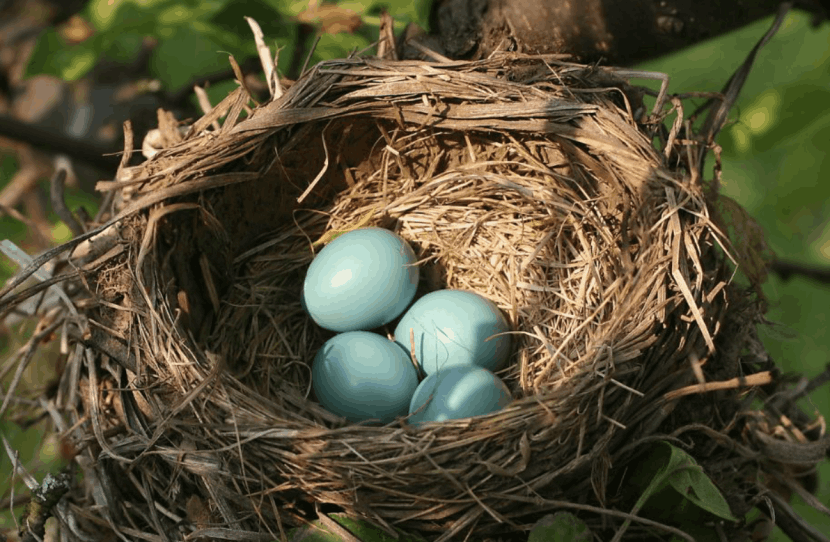
Intricate structures built with twigs, moss, and mud. They are masterfully hidden in thick bushes or high branches to protect the eggs from predators.
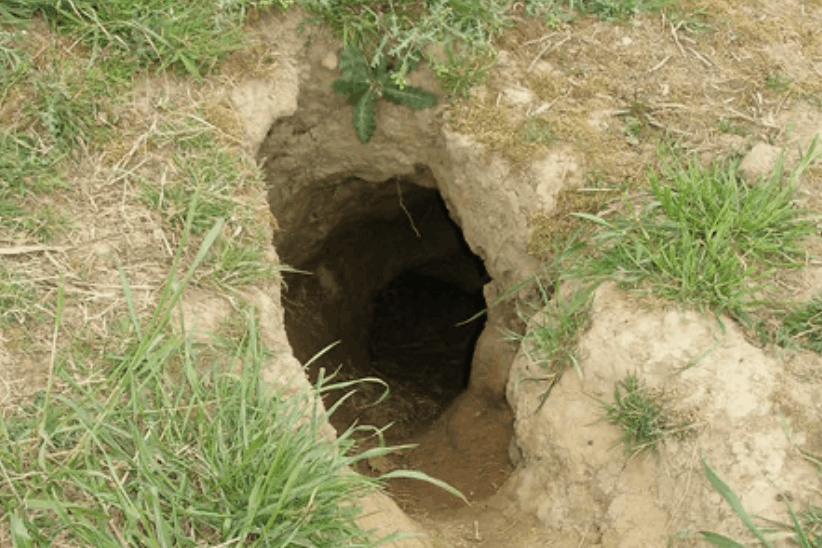
Massive underground tunnels with a large, D-shaped entrance. You can easily spot them by the huge piles of excavated soil, old leaves, and bedding material mixed outside.
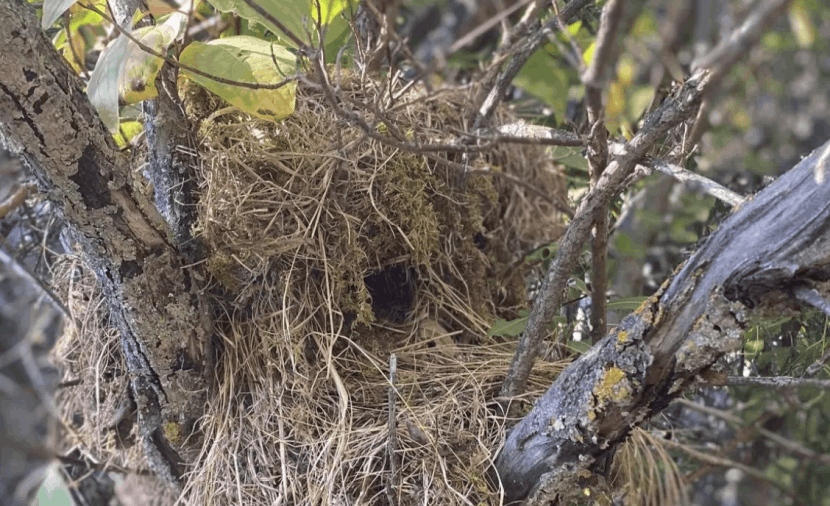
A large, ball-shaped nest woven with twigs, moss, and leaves, built high up in tree forks. From a distance, it looks like a messy bird nest but offers perfect winter protection
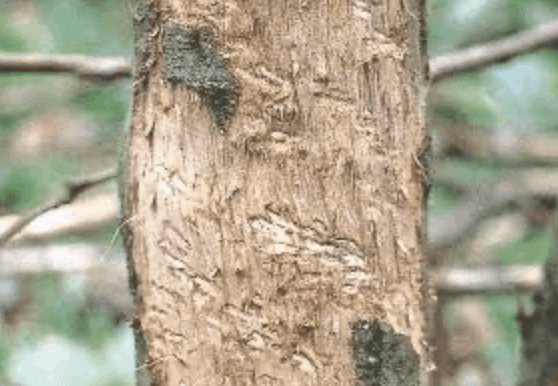
Male deer rub their antlers against young trunks to remove the velvet. This leaves long, vertical strips of peeled bark and broken low branches.
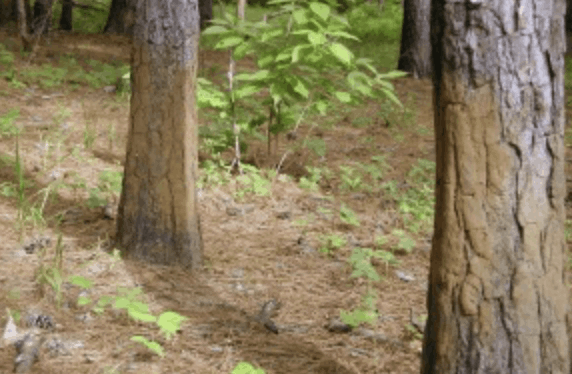
Wild boars scratch their bodies against the base of pine trees to remove parasites, leaving a thick coating of mud and coarse fur on the bark.
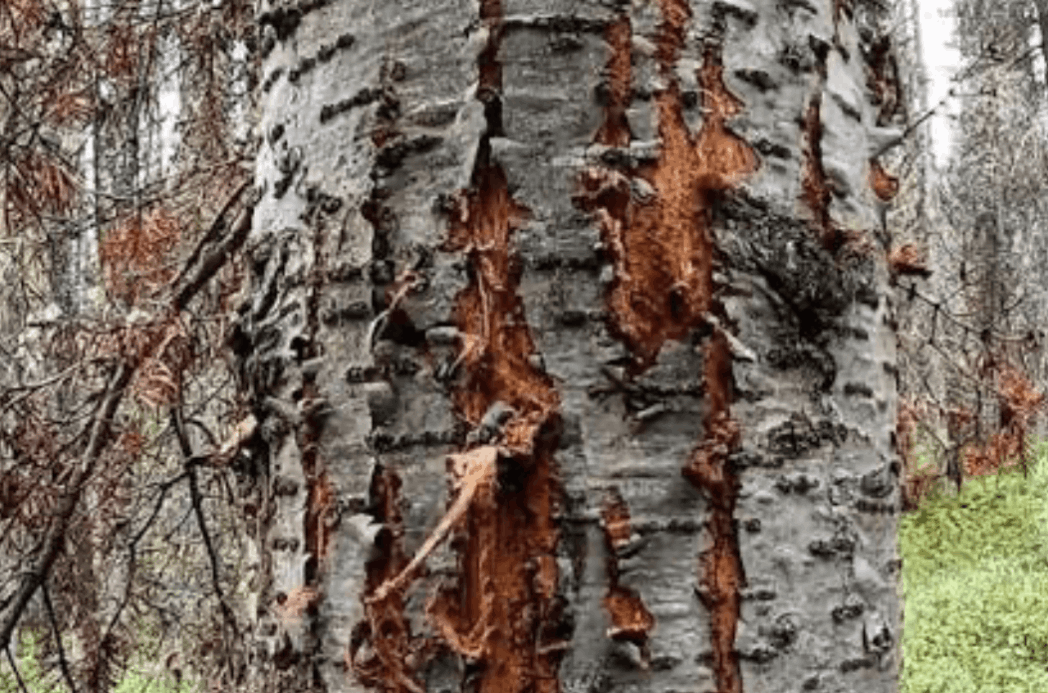
Deep, parallel vertical scratches high up on tree trunks. Bears leave these powerful claw marks to mark territory or to climb looking for food.
Large, irregular patches of bark stripped away near the base of trees. Porcupines chew the inner bark during winter when ground food is scarce.
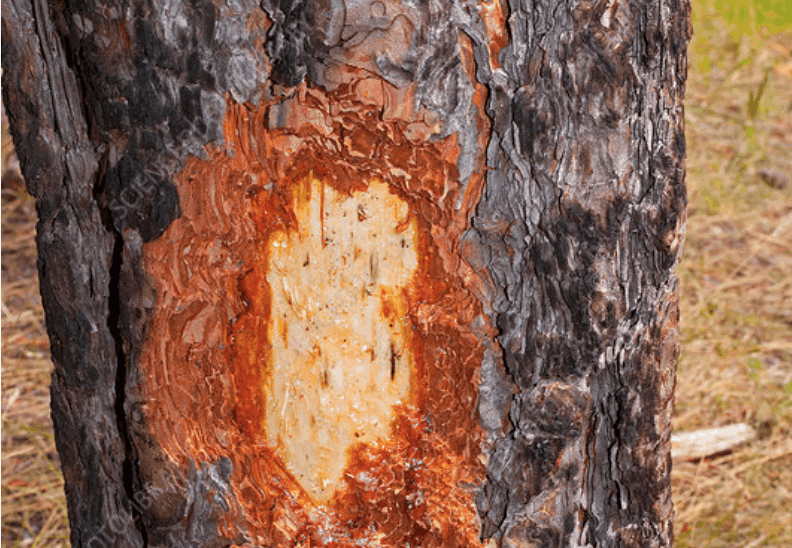
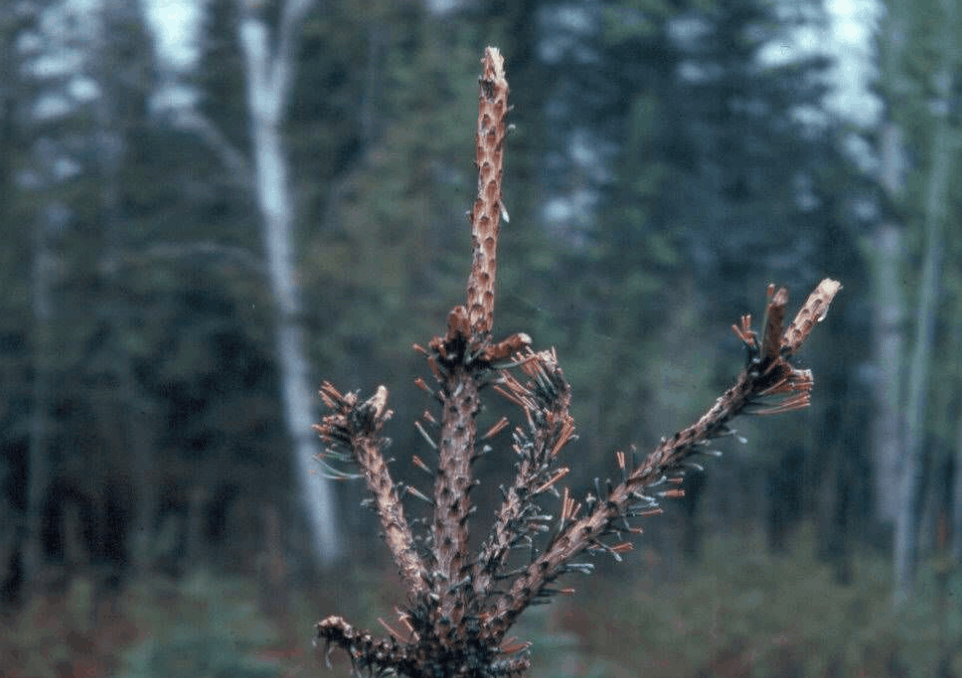
Neat, parallel tooth marks left on the smooth bark near the base of young trees. These small mammals chew the inner bark during cold winters when food is scarce.
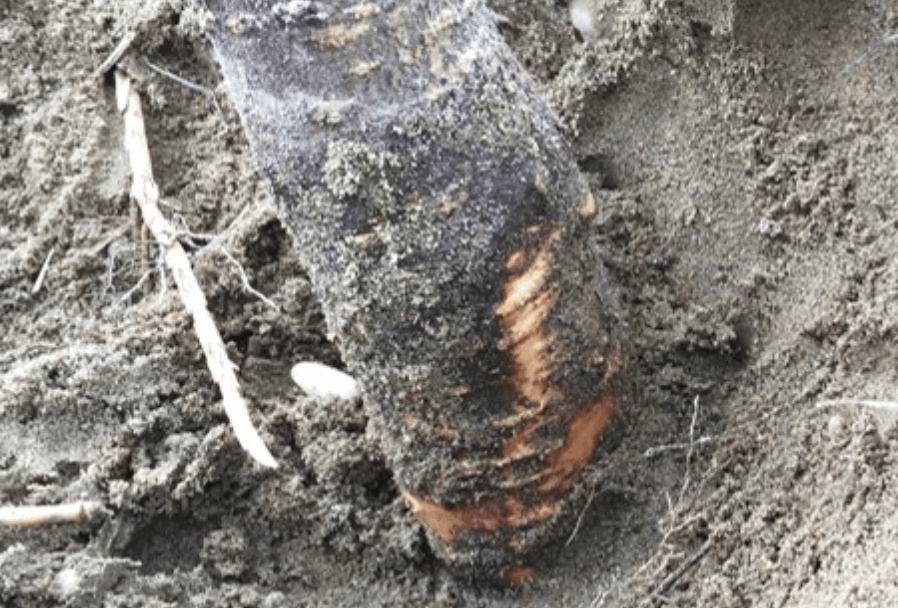
Tiny, irregular teeth marks found at the very base of the tree or even just below the soil line. Voles girdle the stem during winter, often removing a complete ring of bark and putting the young tree at risk.
Albatross | Alligator | Alpaca | Anteater | Arctic Fox | Armadillo | African Elephant | Axolot l Ant
Baboon | Badger | Bald Eagle | Bat | Bear | Beaver | Bee | Beluga Whale | Bison | Black Panther | Brown Bear | Buffalo | Butterfly
Camel | Canary | Capybara | Caribou | Cat | Chameleon | Cheetah | Chimpanzee | Chinchilla | Cobra | Cougar | Coyote | Crab | Crocodile | Crow
Deer | Desert Tortoise | Dingo | Dolphin | Donkey | Dove | Dragonfly | Duck | Dugong
Eagle | Earthworm | Echidna | Eel | Eland | Electric Eel | Elephant | Elephant Seal | Elk | Emperor Penguin | Emu
Falcon | Ferret | Finch | Firefly | Flamingo | Flea | Flying Squirrel | Fennec Fox | Fox | Frog | Fur Seal
Galapagos Tortoise | Gazelle | Gecko | Giant Panda | Gibbons | Giraffe | Goat | Goldfish | Goose | Gorilla | Grizzly Bear | Guinea Pig | Gull
Hammerhead Shark | Hamster | Hare | Harp Seal | Hawk | Hedgehog | Heron | Hermit Crab | Hippopotamus | Honey Bee | Horse | Hummingbird | Hyena
Ibis | Iguana | Impala | Indian Elephant | Indian Rhinoceros | Indri | Insect | Island Fox | Jackal | Jaguar | Jellyfish | Jerboa | Junglefowl
Ladybug | Langur | Lark | Leeches | Lemming | Lemur | Leopard | Leopard Seal | Lion | Lionfish | Lizard | Llama | Lobster | Loggerhead Turtle | Lynx
Macaw | Macaroni Penguin | Magpie | Mallard | Manatee | Mandrill | Manta Ray | Marine Iguana | Markhor | Marmot | Meerkat | Mink | Mole | Mongoose | Moose | Mosquito | Moth | Mountain Goat | Mountain Lion | Mouse
Narwhal | Nautilus | Nematode | Newt | Nightingale | Nile Crocodile | North American Beaver | Northern Cardinal | Nudibranch | Numbat | Nurse Shark
Panda | Pangolin | Panther | Parrot | Partridge | Peacock | Pelican | Penguin | Peregrine Falcon | Pheasant | Pig | Pigeon | Pika | Platypus | Polar Bear | Polecat | Porcupine | Porpoise | Possum | Prawn | Pufferfish | Puma | Python
Quail | Quassia | Queen Angelfish | Queen Alexandra's Birdwing | Quetzal | Quokka | Quoll
Rabbit | Raccoon | Rat | Rattlesnake | Raven | Red Panda | Reindeer | Rhinoceros | Ring-tailed Lemur | River Otter | Robin | Rooster | Roseate Spoonbill
Sable | Salmon | Sand Dollar | Sandbox Tree | Scaled Worm | Scarlet Macaw | Scorpion | Sea Anemone | Sea Cucumber | Sea Dragon | Sea Horse | Sea Lion | Sea Otter | Sea Slug | Sea Turtle | Sea Urchin | Seagull | Seahorse | Seal | Secretary Bird | Serval | Shark | Sheep | Shrew | Shrimp | Siamese Cat | Siberian Tiger | Silkworm | Silverfish | Skunk | Sloth | Snail | Snake | Snowy Owl | Sperm Whale | Spider | Spider Monkey | Sponge | Squid | Squirrel | Starfish | Stilt | Stingray | Stork | Sturgeon | Swallow | Swan | Swordfish
Tarantula | Tarpan | Tarsier | Tasmanian Devil | Tawny Owl | Tenrec | Termite | Tern | Thorny Devil | Thrush | Thylacine | Tick | Tiger | Tiger Shark | Toad | Topi | Tortoise | Toucan | Tree Frog | Tree Kangaroo | Triggerfish | Trout | Tse-tse Fly | Tuatara | Tuna | Turkey | Turkey Vulture | Turnstone | Turtle
Uakari | Uguisu | Umbrellabird | Unau | Underwood's Long-tongued Bat | Unicellular Organism | Unicorn Fish | Upupa | Urchin | Urutu
VVampire Bat | Vampire Squid | Vaquita | Velvet Worm | Verreaux's Sifaka | Vicuna | Viper | Viperfish | Vireo | Vole | Vulture | Wallaby | Walrus | Wasp | Water Buffalo | Water Dragon | Weasel | Weaver Bird | Whale Shark | White Rhino | White-tailed Deer | Wild Boar | Wildebeest | Wolf | Wolverine | Wombat | Woodpecker | Worm | Wren
X-ray Tetra | Xeme | Xenarthra | Xenopus | XerusY | Yak | Yellow Mongoose | Yellow-bellied Sapsucker | Yellowfin Tuna | Yellowjacket | Yosemite Toad
Zebra | Zebra Finch | Zebra Mussel | Zebra Shark | Zebu | Zokor | Zonure | Zorilla
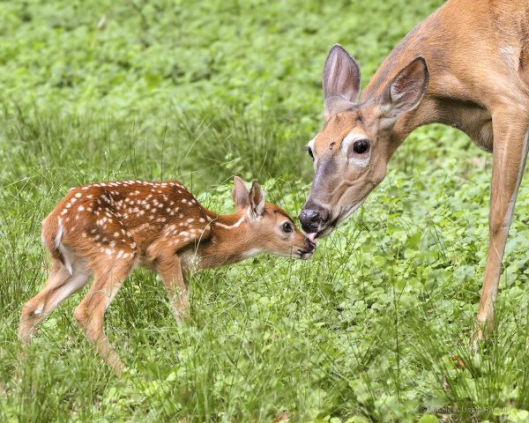
What happens in nature: Spring is the season of rebirth. Migratory birds return from Africa, filled with song to claim their nesting territories. Amphibians begin their mass migrations to breeding ponds, while mammals wake up from hibernation. By late spring, fields and forests are alive with newborn wildlife and hidden nurseries.
⚠️ Ethical Tip: Keep dogs on leashes during hikes. Newborn animals and ground-nesting birds are extremely vulnerable right now.
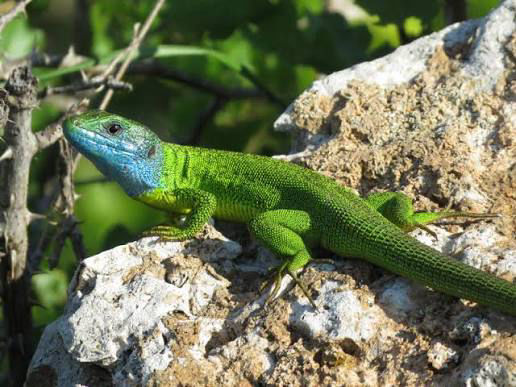
What happens in nature: Nature is at its peak of activity. Long days and warm weather provide abundant food. Young animals start taking their first steps outside their dens and learning how to hunt or forage. Insects, bats, and reptiles are highly active during warm nights, while alpine fauna moves to higher altitudes to escape the heat.
⚠️ Ethical Tip: Never touch or pick up young animals (like deer fawns) found alone in the grass. Their mother is always nearby, and human scent will cause her to abandon them.
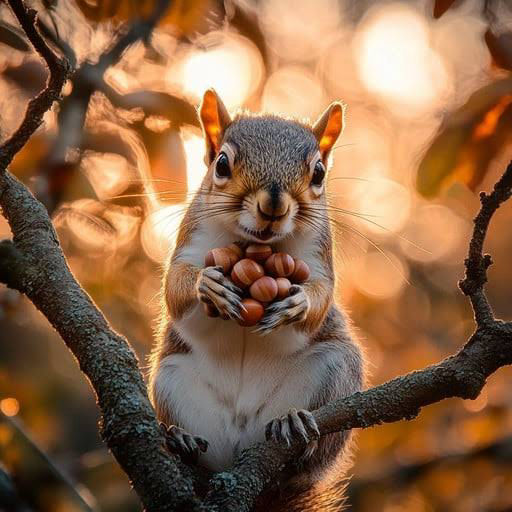
What happens in nature: Autumn is a time of intense preparation and dramatic rituals. It is the mating season for large ungulates, and the deep roaring of red deer stags echoes through the woods. Other animals, like squirrels and jays, work tirelessly to store food supplies, while migratory birds gather in large flocks to begin their long journeys south.
⚠️ Ethical Tip: Give wildlife plenty of space. Animals need to conserve every ounce of energy and avoid stress before the harsh winter arrives.
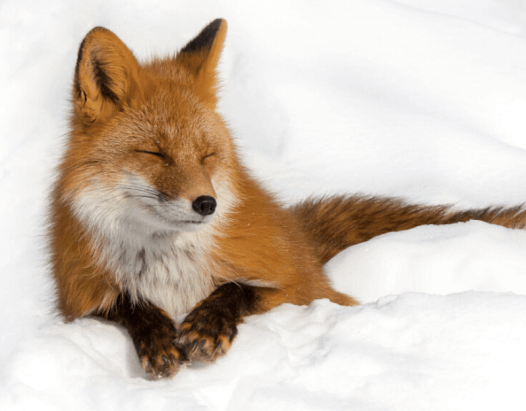
What happens in nature: The wild enters a state of survival and silence. Many species—like hedgehogs, marmots, and dormice—fall into deep hibernation to save energy. The snow turns into an open book, revealing the daily tracks of active predators like foxes and wolves. Birds rely on remaining berries and human garden feeders to survive the frost.
⚠️ Ethical Tip: Always stay on marked winter trails. Startling wild animals forces them to run through deep snow, draining vital calories they need to survive.