NEWS
Global Wildlife Updates August 2026

Darwin’s Prediction Confirmed After 150 Years
Scientists have officially proven that two plant species from the Saxifraga genus (Saxifraga candelabrum) are actually carnivorous plants. Charles Darwin suspected this back in the 19th century due to their sticky hairs, but modern science has only now been able to fully confirm it.

New Native Plants Discovered in Italy
The Italian Botanical Society published a milestone study mapping two decades of research. Between 2005 and 2025, researchers identified 453 new species of wild plants in Italy, 443 of which are endemic—meaning they grow exclusively in the Italian territory.

The Secret Language of Mushrooms and Trees Confirmed
Researchers have successfully captured real-time bio-electric signals showing how underground mushroom networks (mycelium) 'talk' to tree roots. When a pest attacks a nearby plant, the fungi send an immediate warning signal through the soil, allowing neighboring trees to prepare their chemical defenses before the insects even arrive.

Ocean Census Reveals 1,100+ New Marine Species
A massive global mission led by the Nippon Foundation and Nekton announced the discovery of over 1,100 new marine species in just one year. Among the most fascinating deep-sea creatures identified are a new species of 'ghost shark' and symbiotic worms living inside structures resembling glass castles.

Extreme Life in the Clarion-Clipperton Zone
An international team of scientists explored the Pacific Ocean depths (below 4,000 meters) and described 24 new species of amphipods (tiny deep-sea crustaceans). This discovery proves that life thrives even under extreme pressure and in total darkness
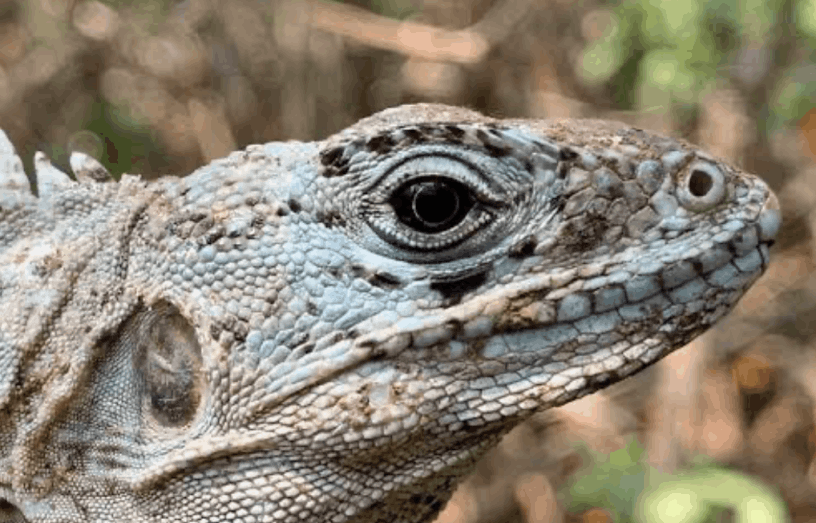
Saving the Utila Iguana from Extinction
The Fauna & Flora foundation highlighted this rare reptile as a major success story for 2026. Thanks to intense mangrove reforestation efforts in Honduras, the Utila Iguana population doubled from 6,000 to over 14,000 individuals, pulling them back from the brink of extinction.

The Global Wildlife Comeback
Global monitoring data published this year shows a significant population boost for several key species. Wildlife counts in protected areas registered a 29% increase in wild buffaloes, a 20% rise in chimpanzees, and an 18% growth in zebra populations compared to the last five years.

The Renaturation of the Po River
Italy’s largest river restoration project has reached its crucial phase. Backed by a €350 million PNRR fund, the initiative is actively restoring dozens of kilometers of riverbanks and reforesting floodplain areas to recreate natural ecological corridors for birds and amphibians.
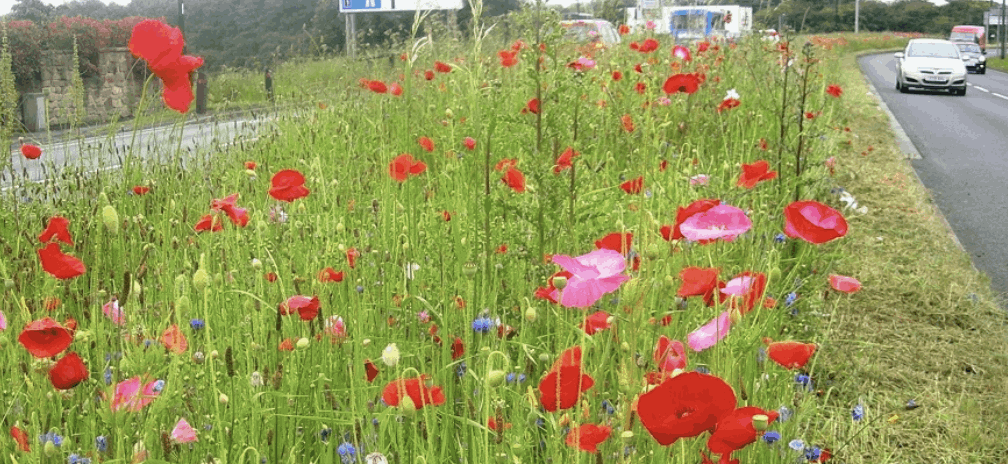
Buzz Lines: Lifeline Corridors for Pollinators
Environmental organizations are highlighting the expansion of 'buzz lines'—urban ecological corridors filled with wildflowers. These protected green spaces are being created across cities to combat the global decline of bees, butterflies, and other vital pollinators.