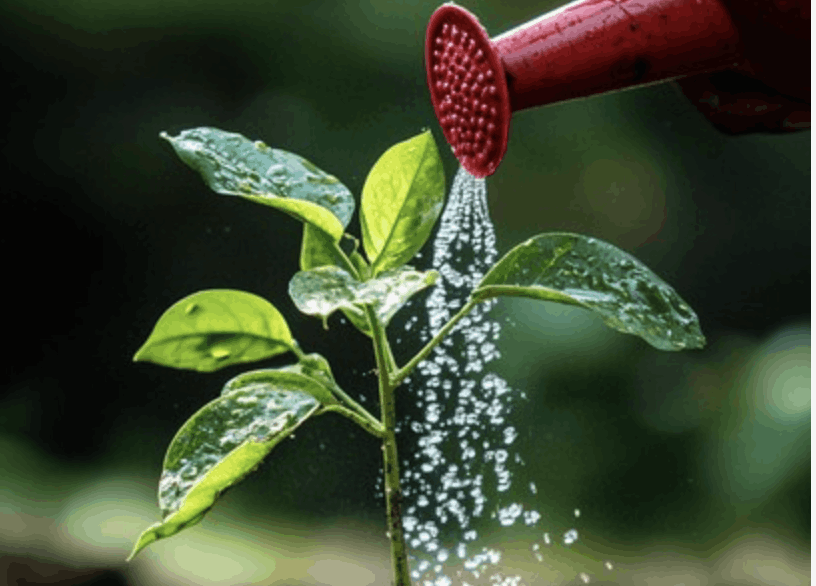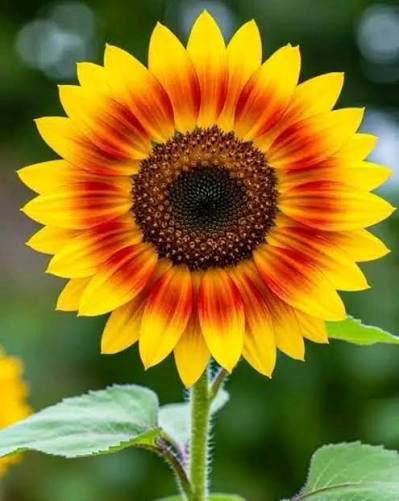
369k species
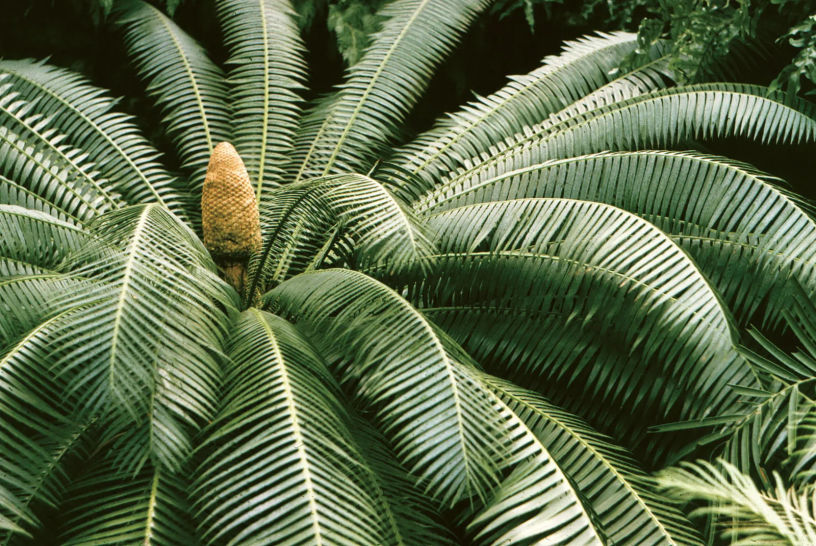
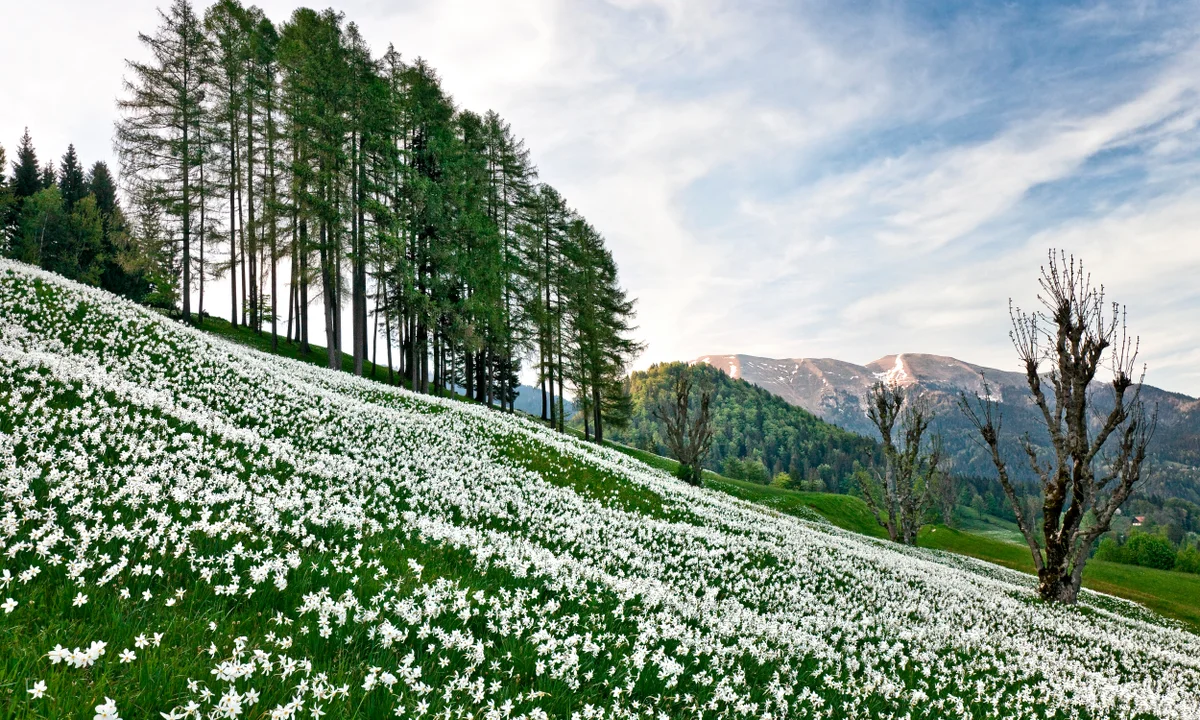
They make up about 94% of the entire plant kingdom, ranging from alpine wildflowers to massive deciduous trees. natural landscapes of our planet.
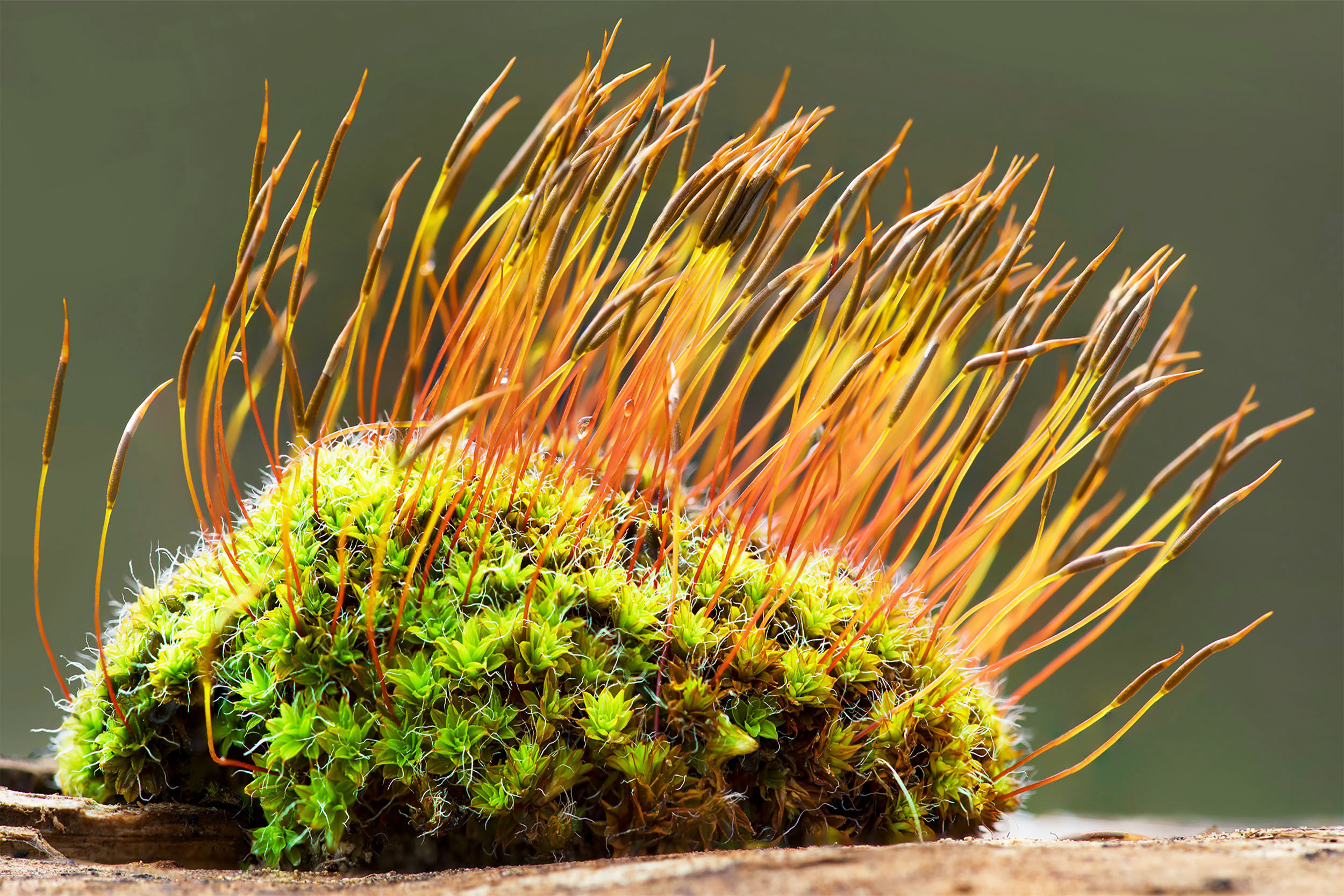
22K species.
Small, non-vascular plants that lack deep roots, essential for maintaining moisture in forest floors.
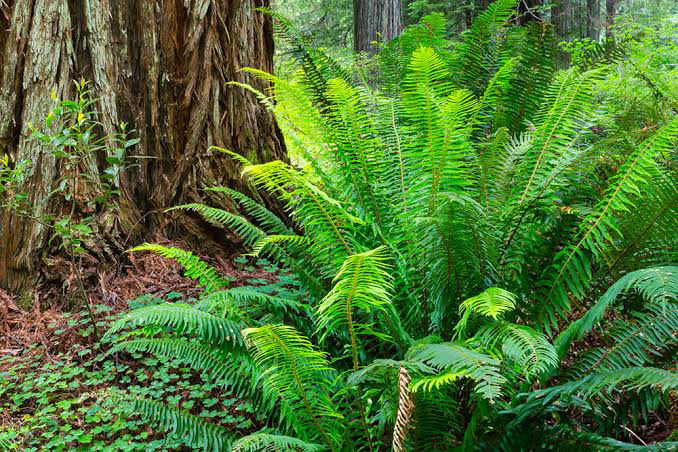
10.5K species
Ancient vascular plants that do not produce seeds but reproduce via spores.
1.1K species
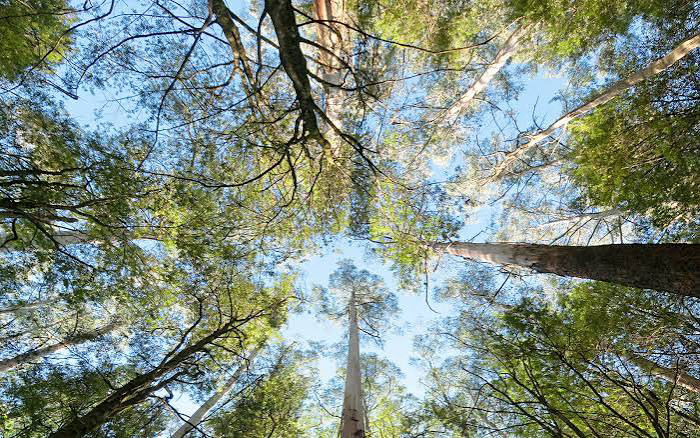
A small group in terms of species numbers, but geographically dominant, including pines, firs, larches, and redwoods.
50.7K species
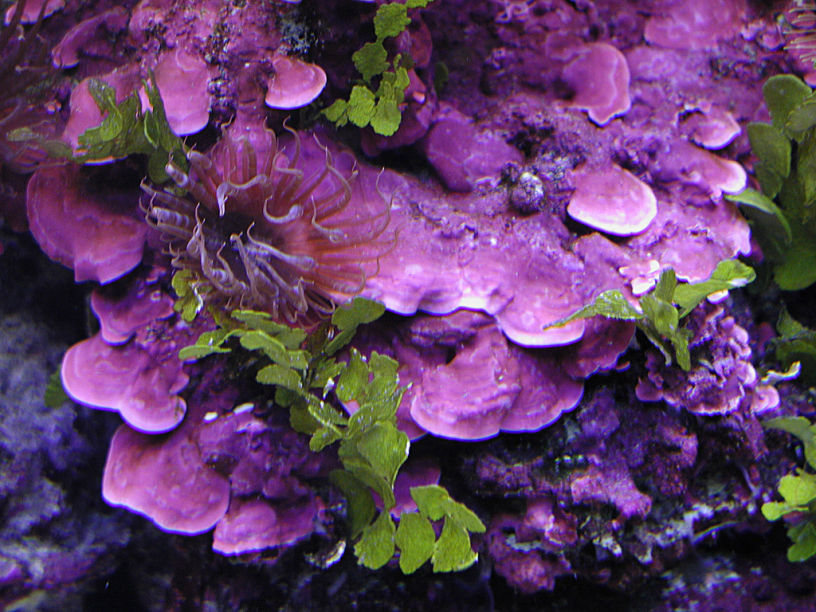
Although traditionally grouped under Flora because they perform photosynthesis, science reveals that algae actually belong to completely different kingdoms of life. They are divided into three fascinating groups: 1. Blue-Green Algae (Cyanobacteria): These are not plants, but ancient bacteria. They were the very first organisms on Earth to produce oxygen billions of years ago. 2. Microscopic & Brown Algae (Protists): They belong to the Kingdom of Protists. This group includes giant marine kelp and microscopic phytoplankton that drift in currents, producing over 50% of the planet's oxygen. 3. Green & Red Algae (Archaeplastida): These are the closest relatives to land plants. They live on rocky shores and in lakes, serving as the evolutionary ancestors that eventually colonized dry land.
150K - 3M species
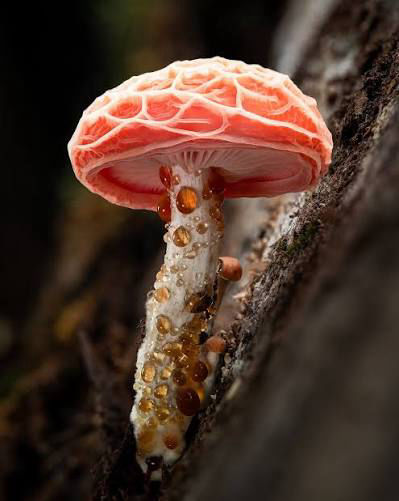
Fungi are not plants; they do not perform photosynthesis. Instead, they represent a completely independent kingdom of life. They act as nature's ultimate recyclers, decomposing organic matter and turning it into rich soil. Through an underground network of microscopic threads called mycelium (the "Wood Wide Web"), they connect trees and plants across entire forests, allowing them to share nutrients and information. Without fungi, global ecosystems would literally collapse under their own waste.
1 T
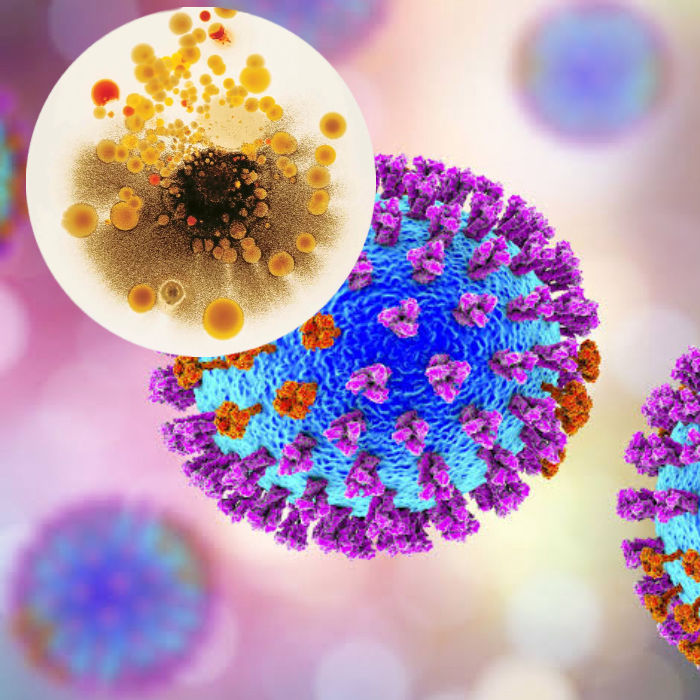
This invisible universe is the true foundation of planet Earth. Bacteria are single-celled living organisms found everywhere, from deep volcanic vents to inside the digestive systems of animals, where they are vital for survival. Virus entities exist on the edge of life; though they cannot replicate without a host, they drive genetic evolution across all species. This microscopic microbiome regulates global climates, purifies water, and represents the vast majority of biomass and genetic diversity on our planet.
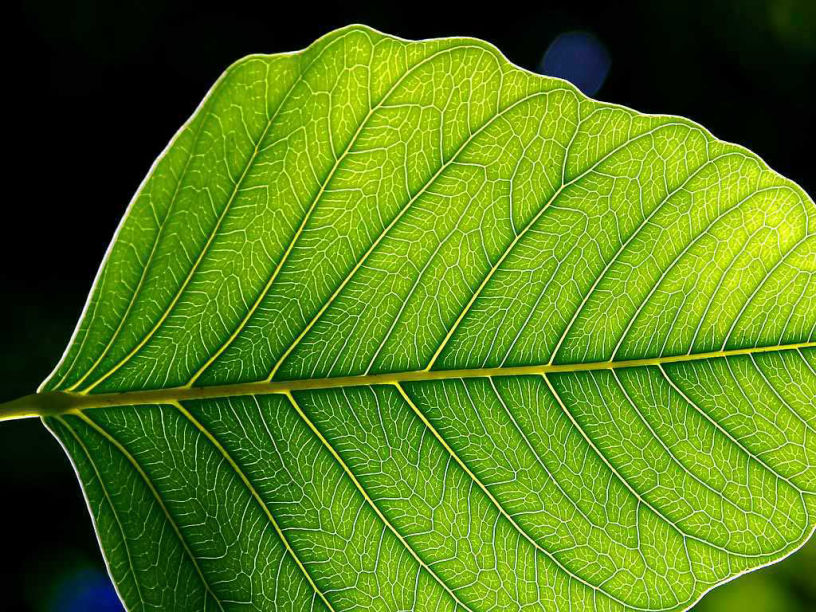
The ultimate green engine. Plants capture sunlight through chlorophyll to transform carbon dioxide and water into food and oxygen.
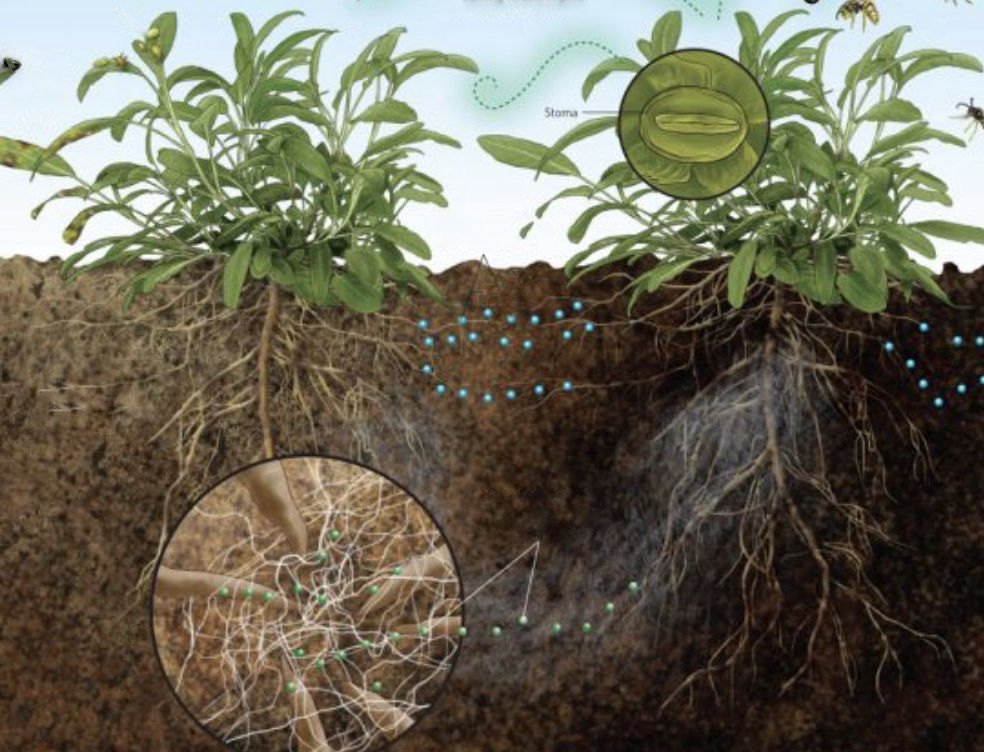
Through microscopic pores called stomata, plants breathe in oxygen and release water vapor to cool down on hot summer days.
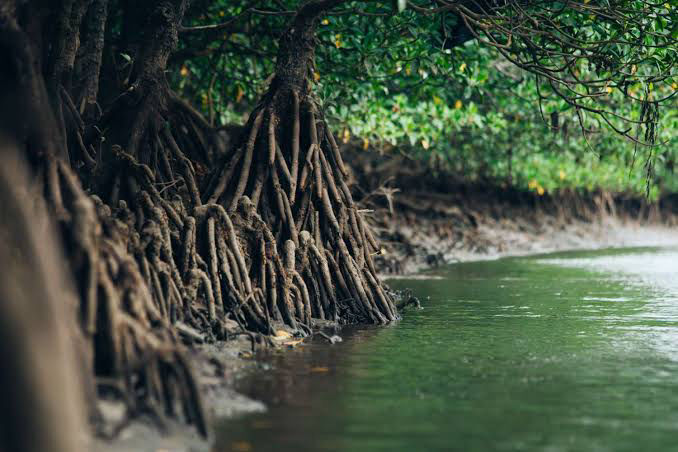
Plants cannot walk, but they move dynamically. Roots hunt for water underground (hydrotropism) and follow gravity (geotropism), while stems bend toward the sun.
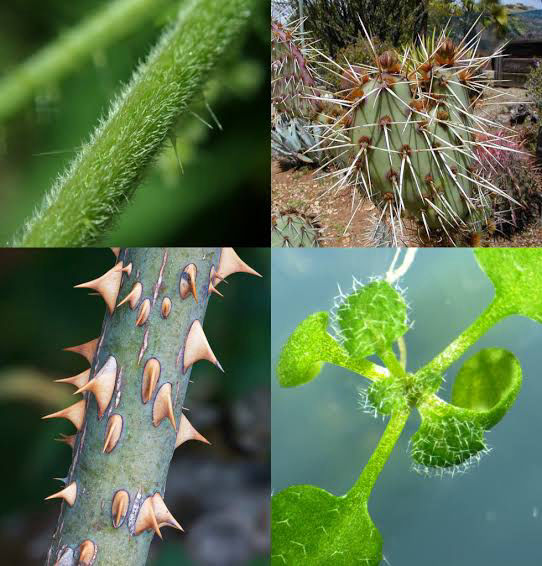
The quiet war. From sharp thorns to toxic chemical compounds, plants deploy advanced defense mechanisms to stop herbivores from eating them.
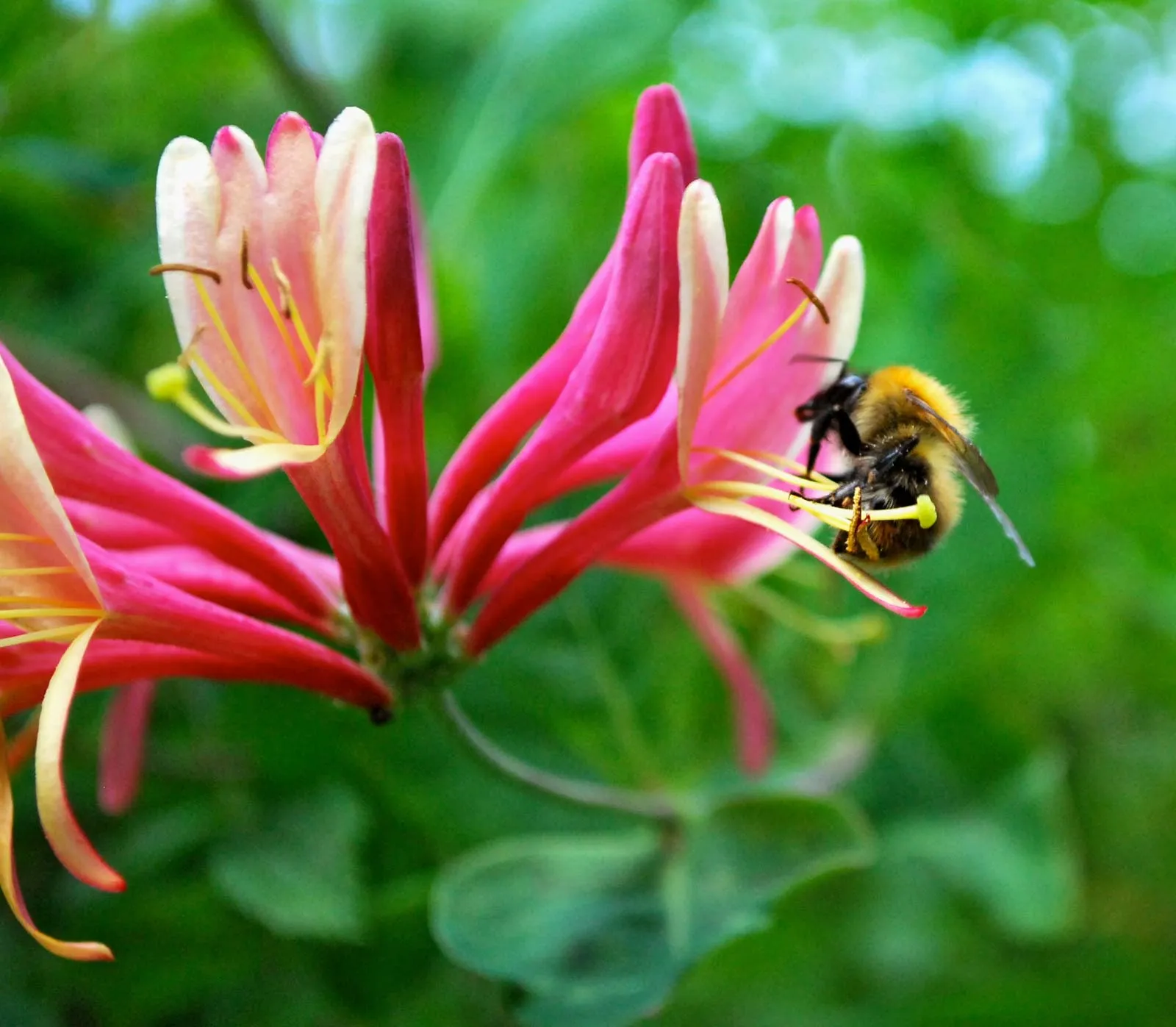
The art of reproduction. Plants use colorful flowers, sweet nectar, or the wind to trick insects and animals into carrying their pollen.
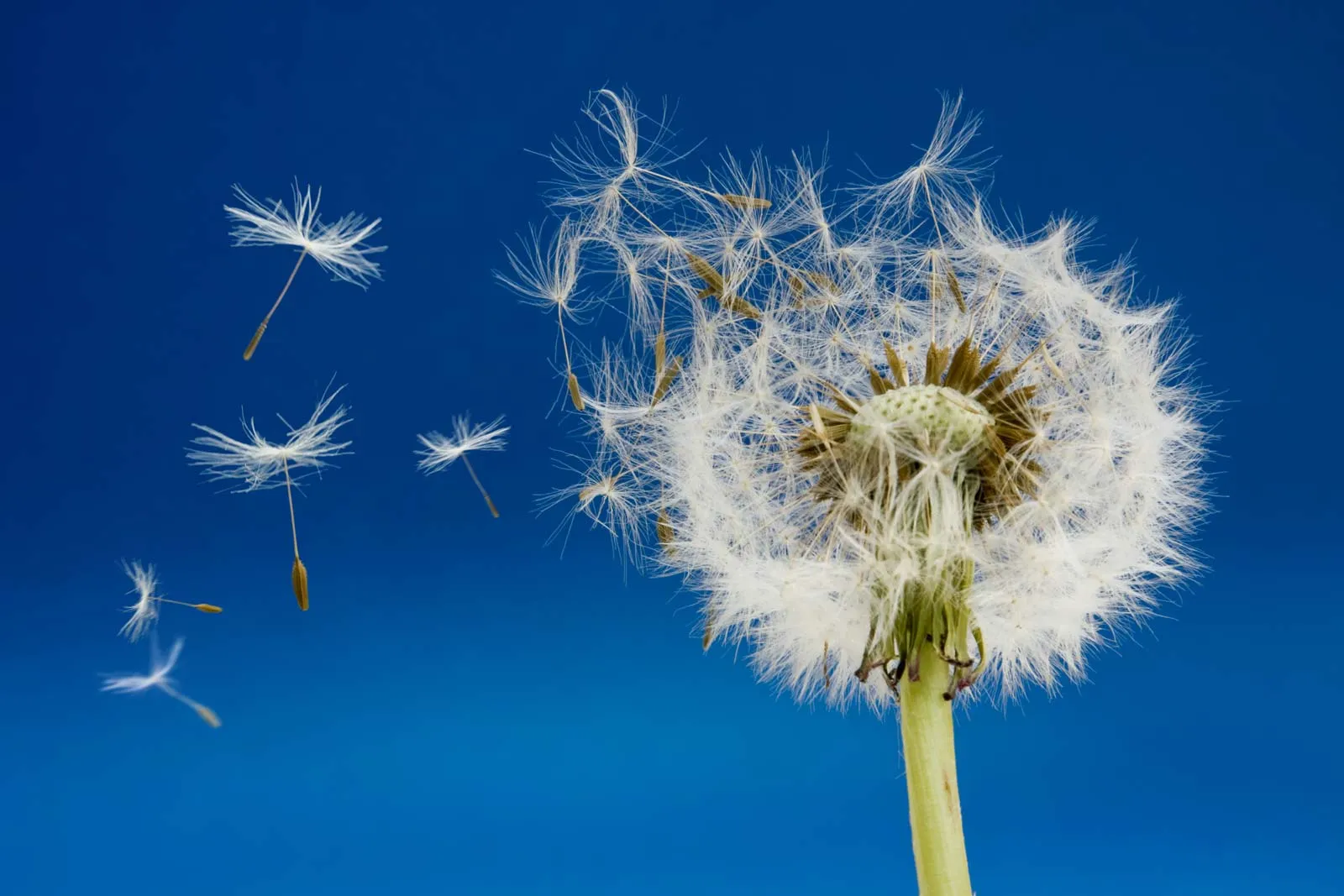
To colonize new lands, seeds learn to fly (like dandelions), float on water, or hitchhike on animal fur as burrs.
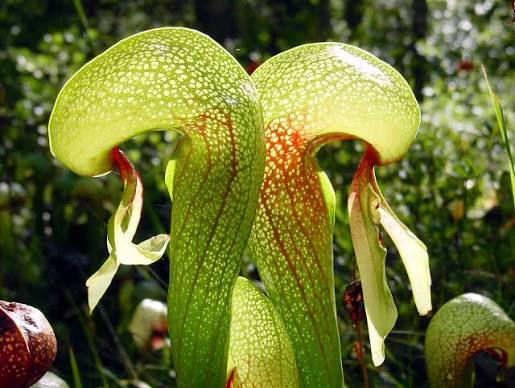
In poor soils, some plants turn into predators. They use snap-traps, sticky glue, or pitfall pitchers to capture and digest insects for nutrients.
Plants are secretly incredibly chatty. They communicate underground using a vast network of fungi (mycorrhizae) to exchange nutrients and trigger early warnings about pests. They also release airborne chemical signals (volatile organic compounds) to alert neighboring plants when an attack is underway.
A Guide to Gentle Care
Spring is for Growing
Spring is the time of maximum energy and rebirth. Avoid cutting or mowing everything that sprouts. Wild grasses and flowers are the vital first food source for pollinators waking up from winter.
The Autumn Blanket
Fallen leaves are not dirt. They create a natural thermal blanket that insulates roots from the winter frost. As they decompose, they turn into the best organic nutrients for the soil.
Immune System and Pruning
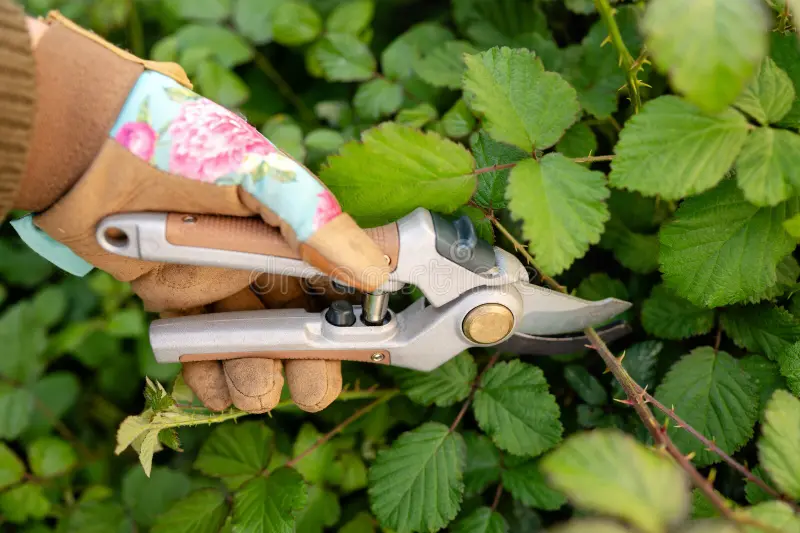
Constantly cutting branches weakens the plant. Every single cut is an open wound that lowers its immune system, exposing it to fungi and diseases. Prune only when it is strictly necessary..
Aphids and Bugs? Don't Panic
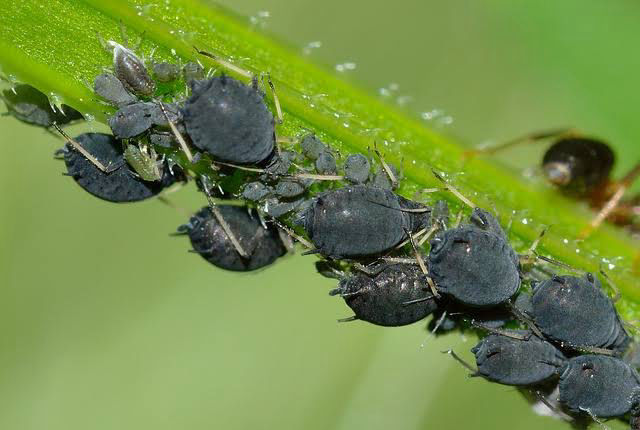
If you see aphids or small insects on leaves and stems, do not rush to use chemical pesticides. This is temporary. Plants have an active immune system and can defend themselves. Soon, ladybugs and natural predators will arrive to restore the balance.
Location matters
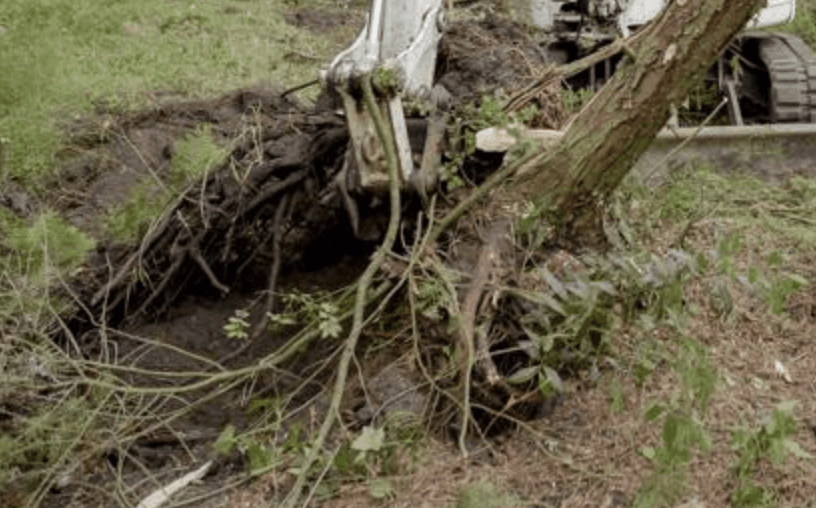
Plants spend a huge amount of energy adapting to the light, humidity, and microclimate of a specific spot. Moving them around causes severe biological stress. Find the right place and let them settle.
Smart watering
Never give small sips of water every day because this only wets the surface. Water deeply, early in the morning or late in the evening, allowing the moisture to reach the deep roots. Remember that water stagnation kills more plants than drought.