The Expert's Code
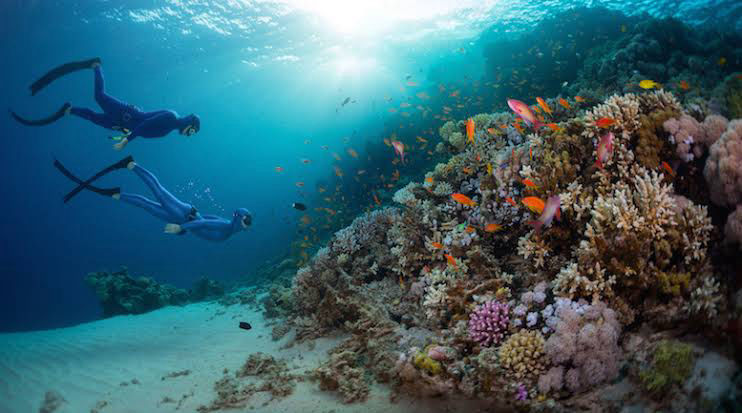
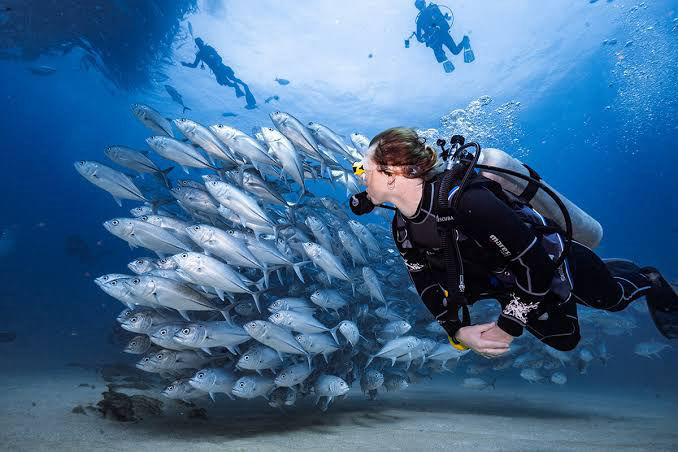
Becoming a true underwater expert means choosing professional diving organizations like PADI or SSI to receive high-quality safety training and always diving with certified local guides who know the regional currents and laws. True mastery of the sea is demonstrated by perfect buoyancy control which allows a diver to hover effortlessly without dropping weights or accidentally crashing into delicate marine habitats. Responsible divers follow the strict rules of looking without touching because chasing marine animals causes severe stress and collecting underwater souvenirs like shells or coral pieces destroys the ecosystem. By respecting the natural environment and acting as protective ambassadors for the sea we can ensure that these fragile aquatic paradises remain untouched and beautiful for future generations.
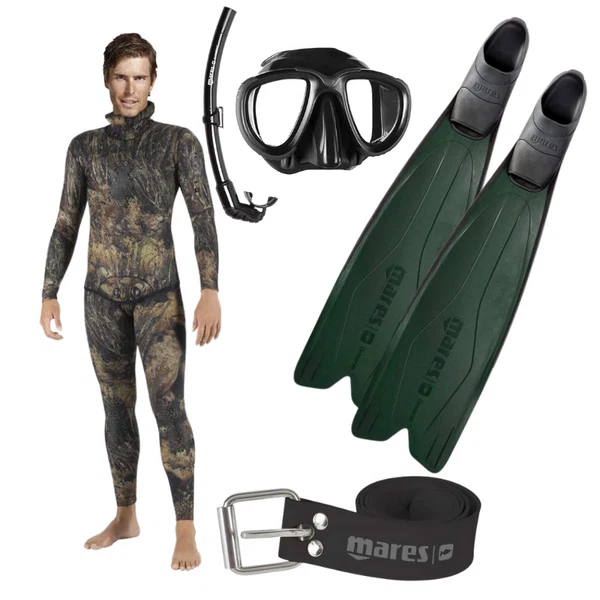
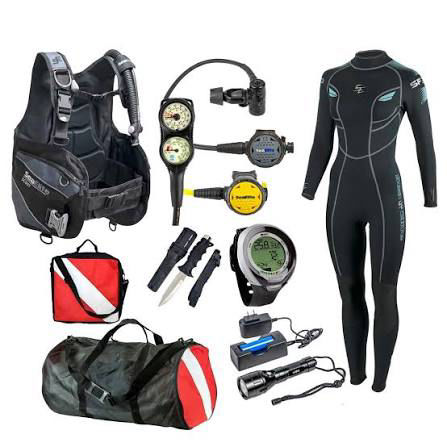
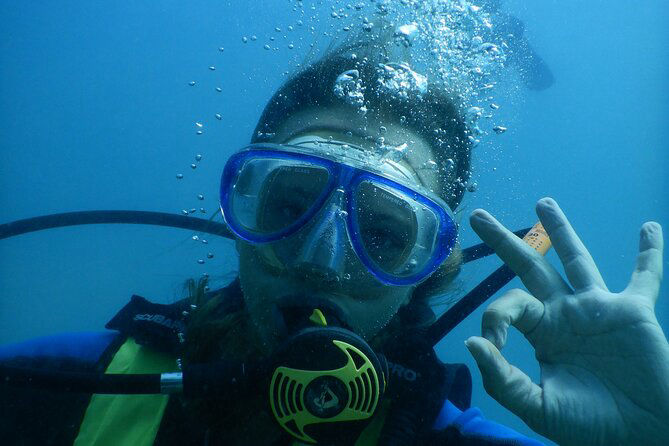
Scuba diving allows humans to breathe deep underwater for long periods of time by using heavy technical equipment designed to support life in high-pressure environments. When practicing this discipline you must never go beyond your certification limits or descend into great depths unless you are accompanied by local experts and instructors who know the layout of the dive site. It is vital to select specialized technical gear that matches the exact depth of your choice and you must always wear the right clothing such as thick neoprene wetsuits or drysuits to prevent dangerous drops in body temperature in colder waters. The absolute priority for any diver is to maintain their equipment in perfect condition and rely on certified professionals to prepare and check everything before entering the water.
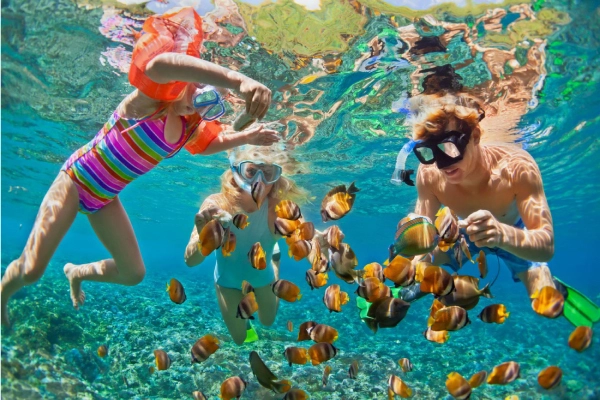
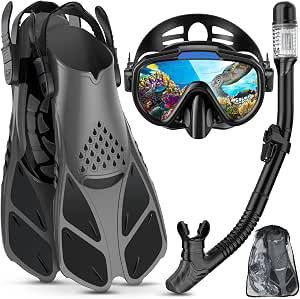
When exploring the ocean you must always put safety and respect for nature first by remembering to never dive alone under any circumstances and absolutely never enter underwater caves or overhead environments without advanced professional training. It is vital to never go beyond your certification limits or descend into great depths without being accompanied by certified local experts and instructors while ensuring you always have the right technical equipment for the chosen depth and the proper clothing to prevent cold temperatures. Even when you are just snorkeling at the surface you should always wear a mask and high-quality fins to manage currents while protecting your skin with a long-sleeve rash guard or a long-sleeve full swimsuit instead of using chemical sunscreens. Finally you must follow the absolute golden rule of looking without touching which means never chasing marine animals and never collecting underwater souvenirs like shells or coral pieces so that these fragile aquatic paradises remain completely safe and pristine.