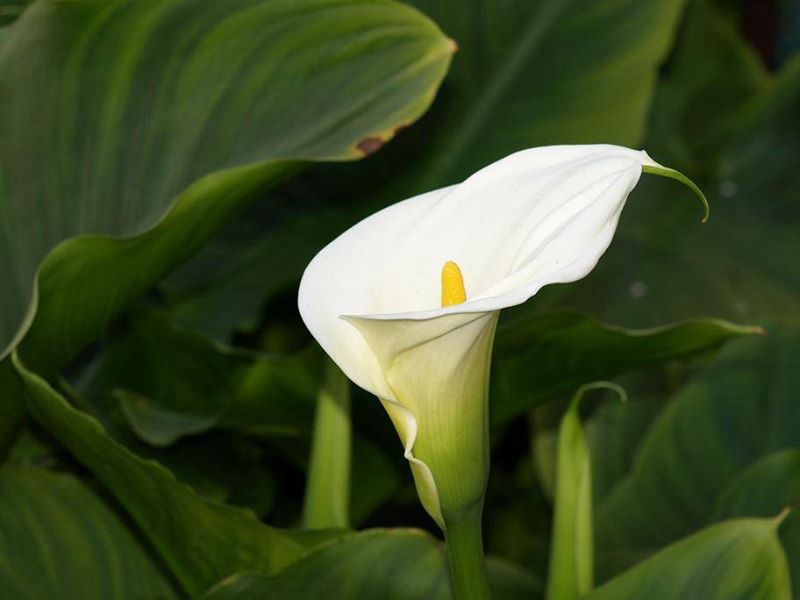
That large white petal is actually a modified leaf. Its unique funnel shape works like a natural amplifier to guide pollinators toward the tiny true flowers hidden inside the yellow spike.
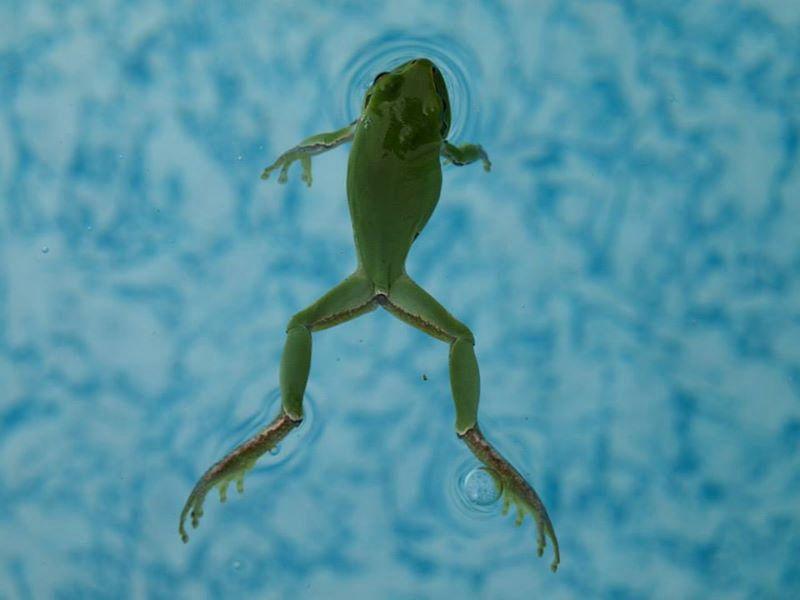
A perfect geometric harmony. A Mediterranean tree frog glides effortlessly on the water surface, captured from a direct top-down perspective that highlights its vibrant green symmetry against the cool, rippling blue patterns.
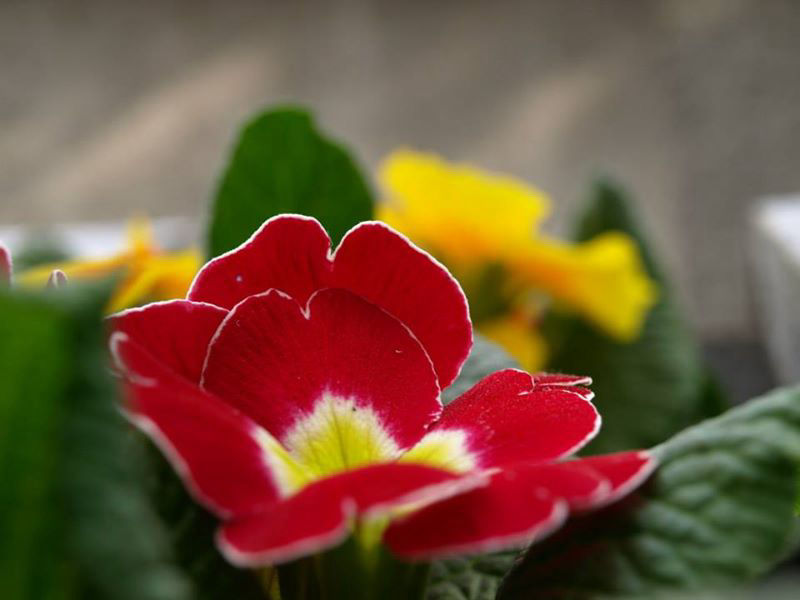
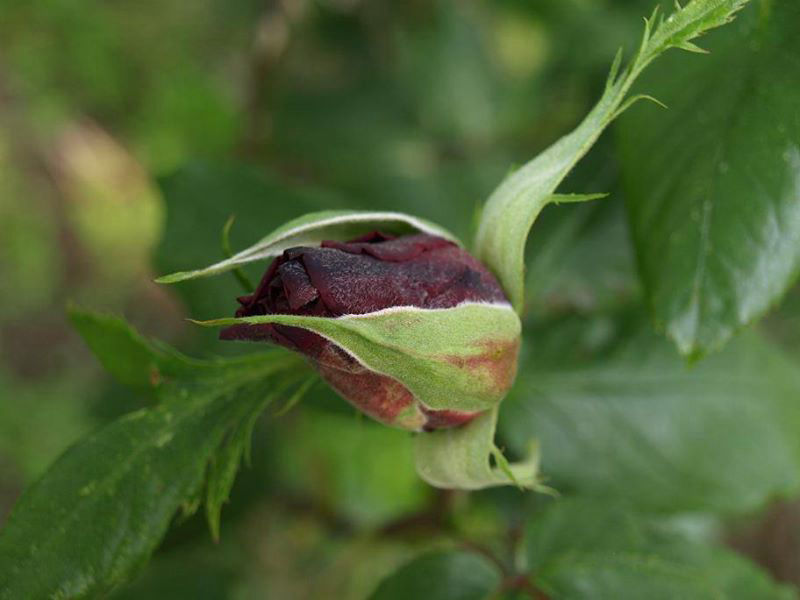
Before blooming, these soft petals are protected by specialized green leaves called sepals. They lock moisture in and guard the flower from insects until it is strong enough to open.
Feline eyes are highly evolutionary masterpieces. Their slit pupils can expand up to 135 times their normal size, allowing them to capture every single micro-movement in the shadows with extreme precision.

More than a companion, a true soulmate. This portrait captures the deep connection, loyalty, and silent understanding that bind us to the animal kingdom, illuminated by the warm, golden light of a setting sun.

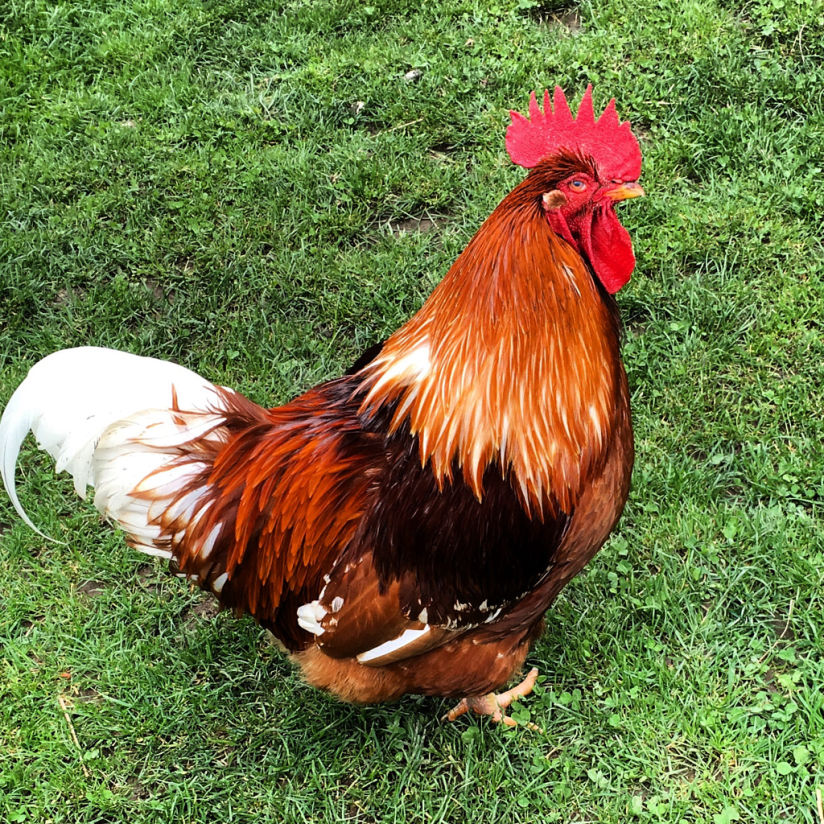
Roosters do not just crow when they see light. They have a powerful internal biological clock that anticipates the dawn, crowing to establish their territory and signal the start of the day to the flock.
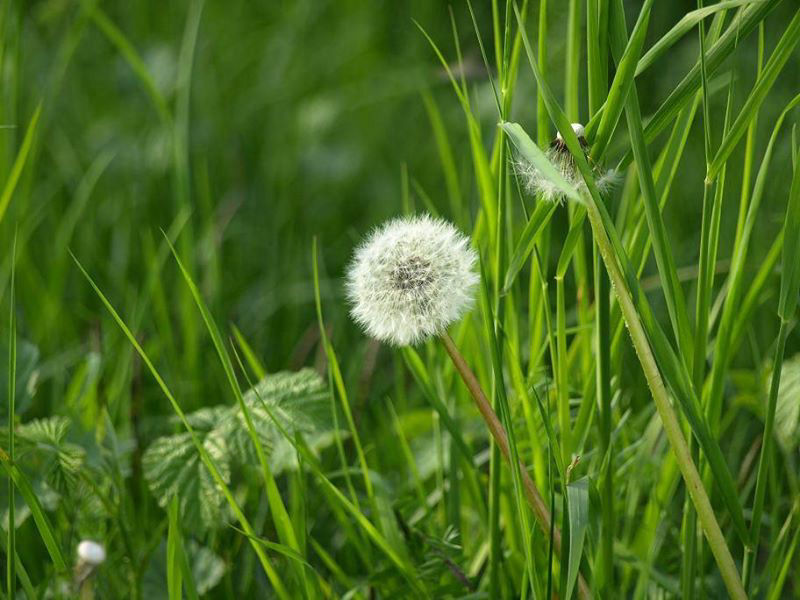
Each soft filament is an incredible piece of engineering. These seeds function as tiny parachutes designed to trap air currents, allowing a gentle breeze to carry them for miles to colonize new fields.
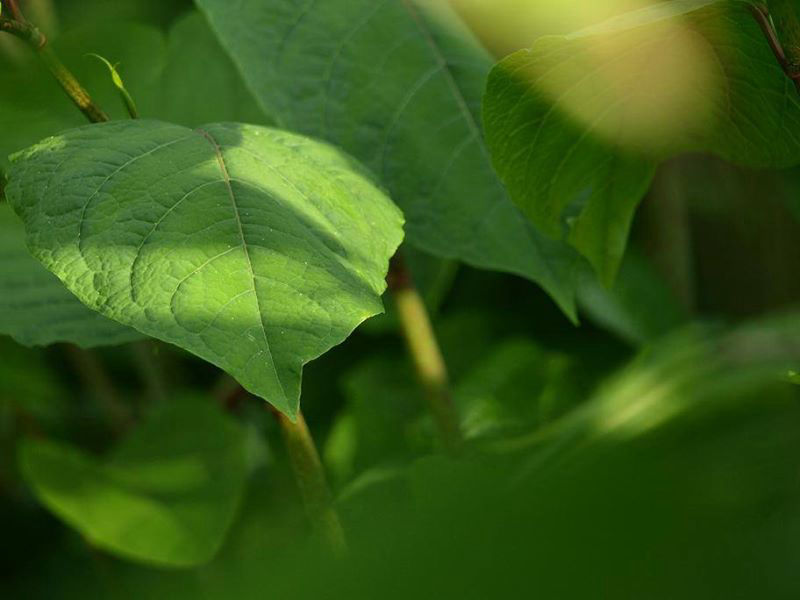
Under the thick forest canopy, leaves develop large surfaces to catch every single photon of light. This deep green color comes from dense chlorophyll cells, working like microscopic solar panels to generate energy.
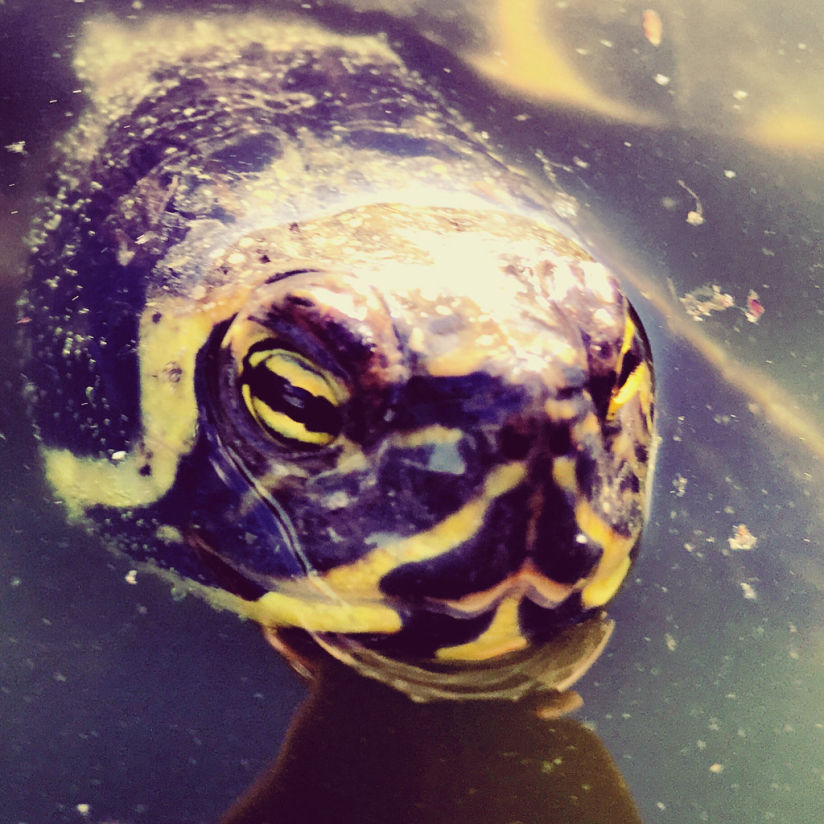
Freshwater turtles have exceptional underwater vision. Their eyes are equipped with specialized receptors that allow them to filter the green and yellow light of murky ponds, spotting food or movement with extreme ease.
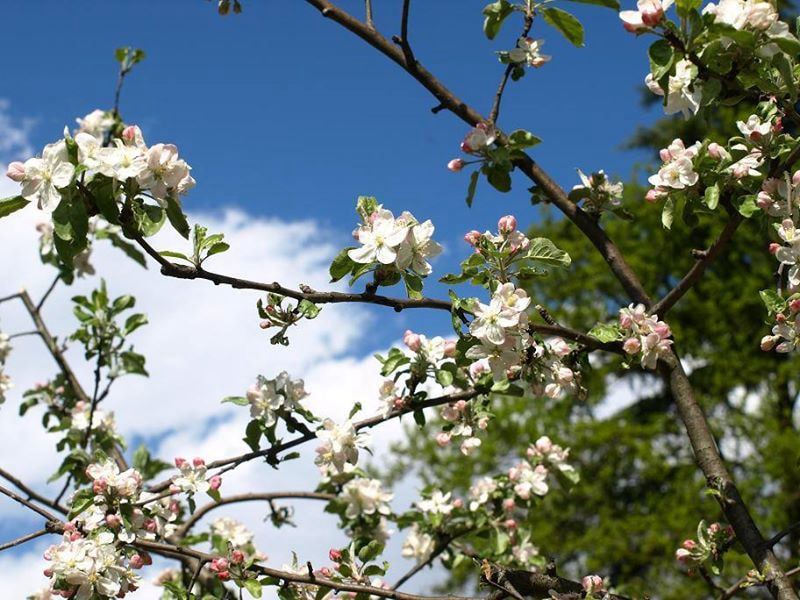
Apple blossoms release a delicate fragrance and develop subtle pink lines on their petals. These act as natural neon signs and visual highways, guiding bumblebees and honeybees directly to the nectar.
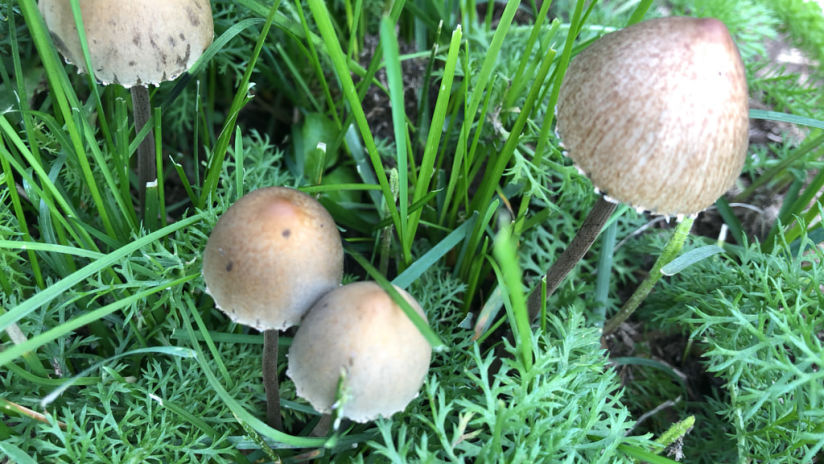
These small mushrooms play a vital role in meadows. Their invisible underground roots, called mycelium, actively decompose dead grass and organic matter, returning key nutrients back into the soil to feed the plants.
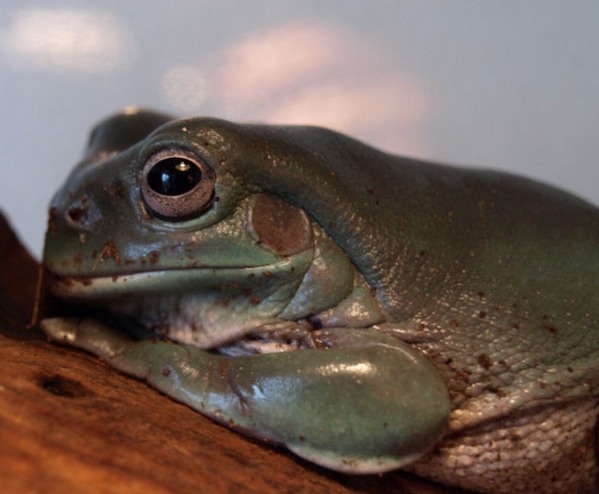
This unique frog produces a special coating of lipids on its skin. This wax-like layer reduces moisture loss, allowing the amphibian to survive in much drier conditions than typical European frogs.
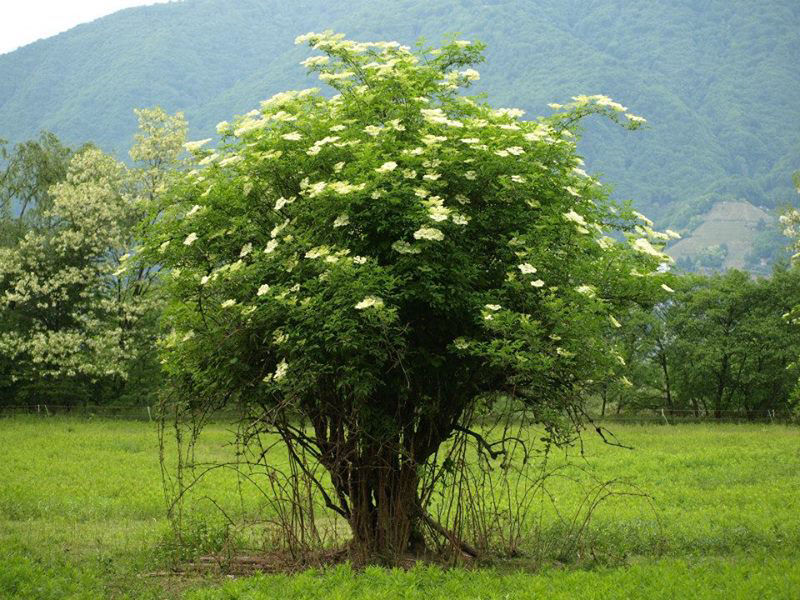
Some trees deeply connect with our souls. This magnificent Elderberry tree was photographed 17 years ago and still stands strong in the exact same field today, a living symbol of nature's endurance and timeless beauty.
The name Primula comes from the Latin word for first. These plants are botanical pioneers, engineered with special metabolic traits that allow them to bloom while the soil is still freezing, signaling spring to early pollinators.
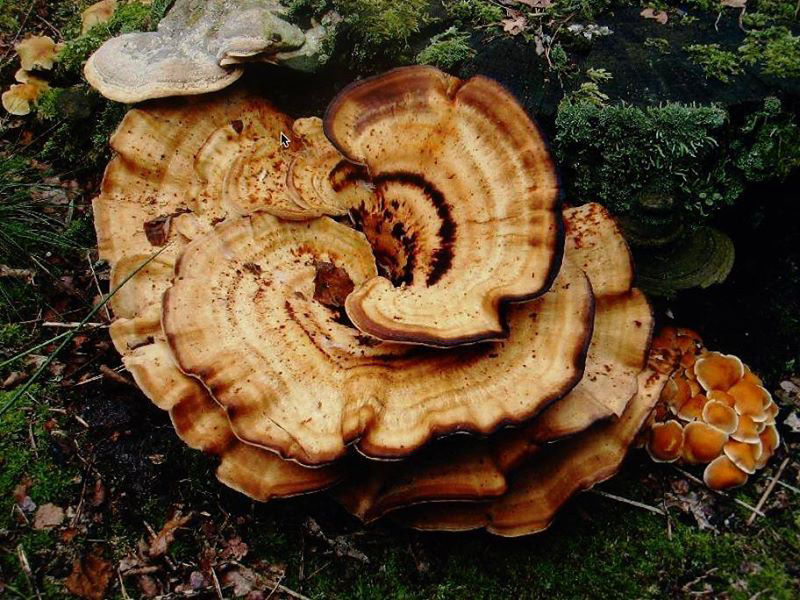
These massive shelves can grow over a meter wide. Living quietly inside old tree roots, this fungus slowly dissolves complex wood fibers, recycling dead timber into incredibly rich organic soil for the next generation of trees.