WHAT IS THE MEANING OF CURELTY FREE

Cruelty-free is more than a label;
it is a conscious commitment to individual freedom and justice for all living beings. It means choosing a lifestyle, products, and foods that do not involve the exploitation, confinement, or harm of animals.
Our objective is to bridge the gap between wildlife conservation and our daily habits. We believe that true respect for nature begins with what we consume. By adopting vegan and cruelty-free practices, we directly protect ecosystems, lower our environmental footprint, and stop treating animals as commodities. Every everyday choice is a powerful tool to restore the perfect balance of our planet and secure a wild, free future for the generations to come.

ø NO MEAT

Choosing a plant-based diet is a powerful daily action to protect animals, your health, and the planet. Here is why it matters:

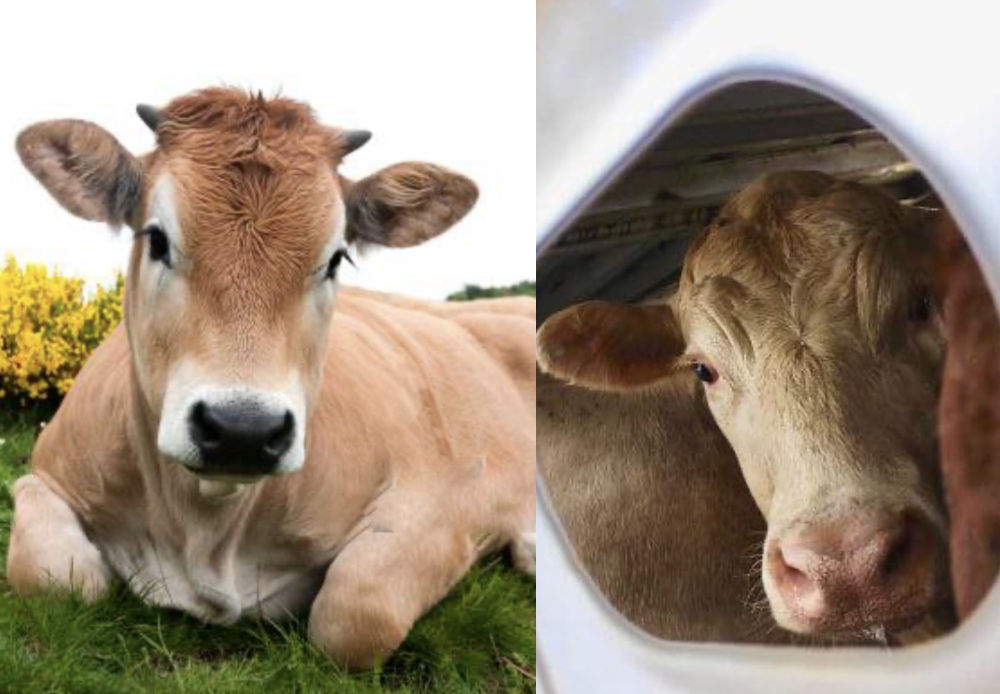
• Respect for Life: Animals are sentient beings, not commodities. Choosing plant-based foods means taking a stand against exploitation and recognizing their right to live wild and free.

• Vitality and Health: A vibrant diet packed with colorful vegetables, grains, and legumes delivers all the clean energy your body needs to thrive and stay strong at any age.

• Saving Wild Habitats: Animal agriculture is a leading cause of deforestation and biodiversity loss. By leaving meat off our plates, we protect natural ecosystems and help restore the perfect balance of nature.

ø NO EGGS

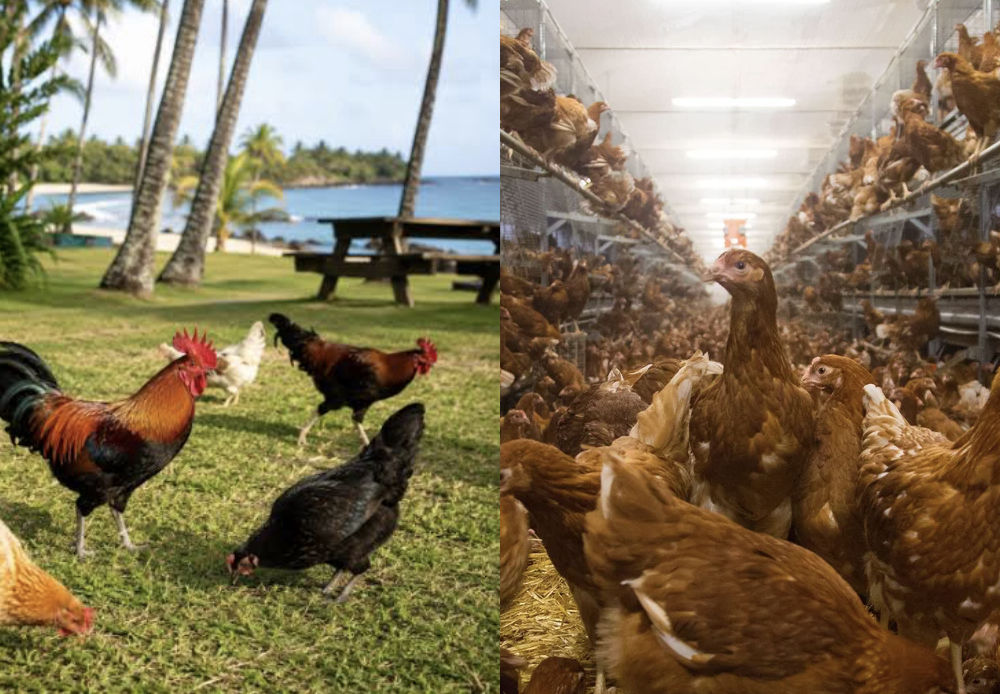
Even in free-range or organic systems, industrial egg production relies on large-scale breeding where every animal is treated as a machine. Because male chicks born to egg-laying breeds cannot lay eggs and are not suitable for meat, they are deemed useless and discarded or killed immediately after hatching. The laying hens are kept under intense stress to maximize production, which destroys their bodies, leading to an early slaughter long before their natural lifespan.
ø NO DAIRY

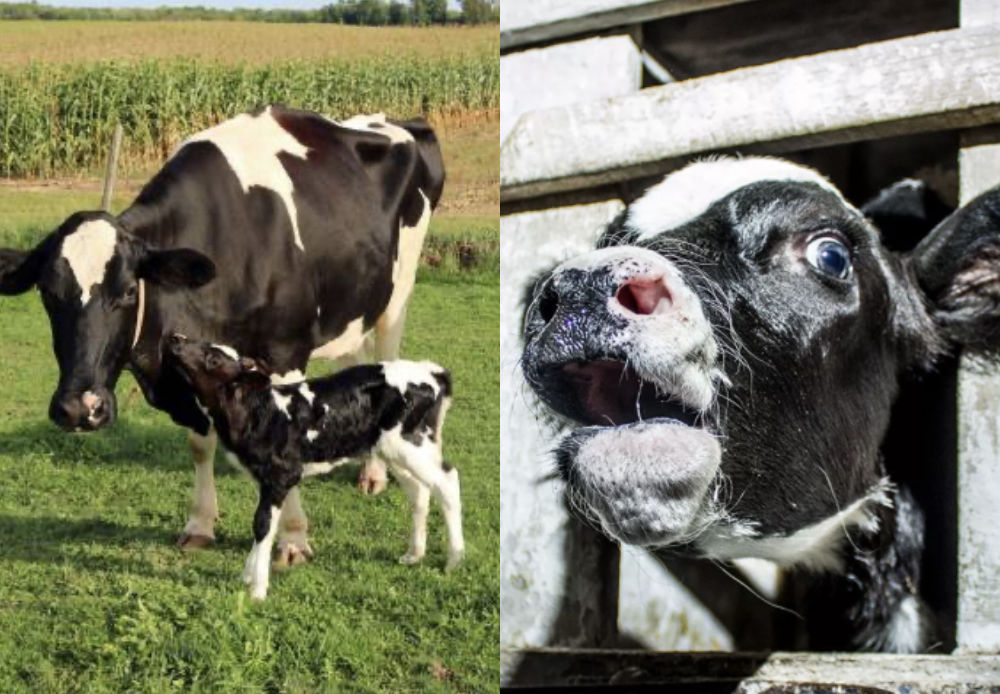
To produce milk, a cow must give birth to a calf. In modern farming, mothers and their newborns are separated just hours after birth, causing deep trauma to both. The image of the calf confined in the small box shown above is the direct result of this cycle. Because male calves cannot produce milk, they are sent to slaughter for meat after only a few months. Female calves face the exact same fate as their mothers, forced into a continuous cycle of pregnancy until their bodies are completely exhausted.

ø NO FISH

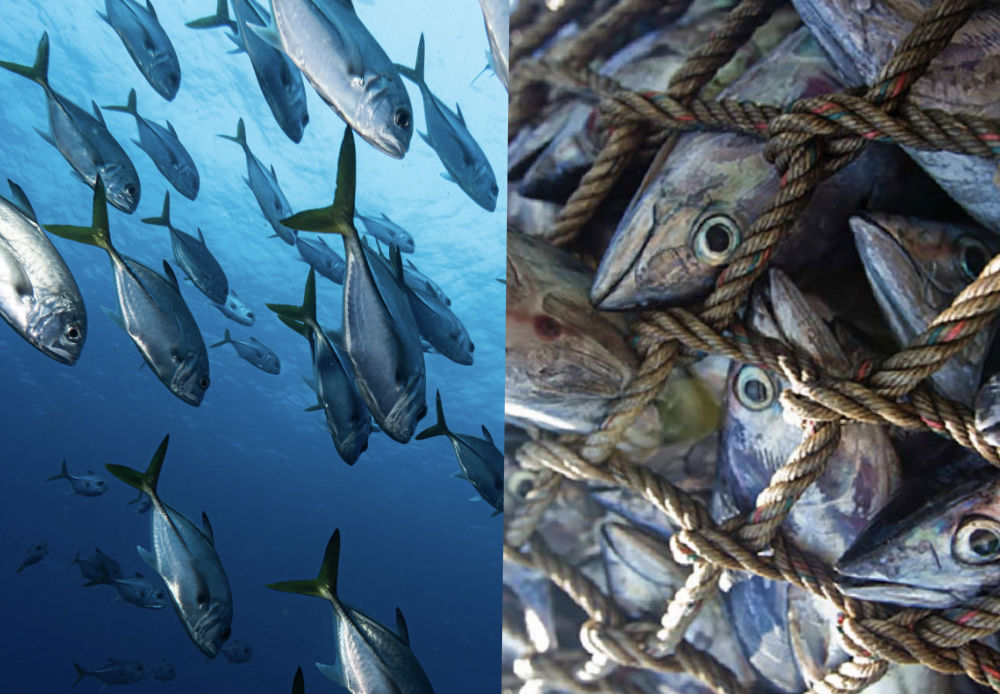
Too often, fish are excluded from our circle of compassion because they look different and live underwater. However, protecting wildlife means protecting every single creature, from land to sea.

Sentience Underwater

Scientific research has proven that fish are sentient beings with complex nervous systems. They experience fear, stress, and physical pain just like land animals. When caught in massive commercial nets or hooks, they undergo a slow, agonizing suffocation. They cannot scream, but their silence does not mean they do not suffer.

The Destruction of Our Oceans

Industrial fishing is destroying global marine ecosystems. Methods like bottom trawling scrape the ocean floor, wiping out ancient coral reefs and marine flora. Furthermore, massive commercial fishing nets trap everything in their path. Every year, millions of non-target animals – including dolphins, sea turtles, whales, sharks, and seabirds – die as "by-catch." Leaving fish off our plates is the single most effective action we can take to stop overfishing and let the oceans heal.

ø NO FUR


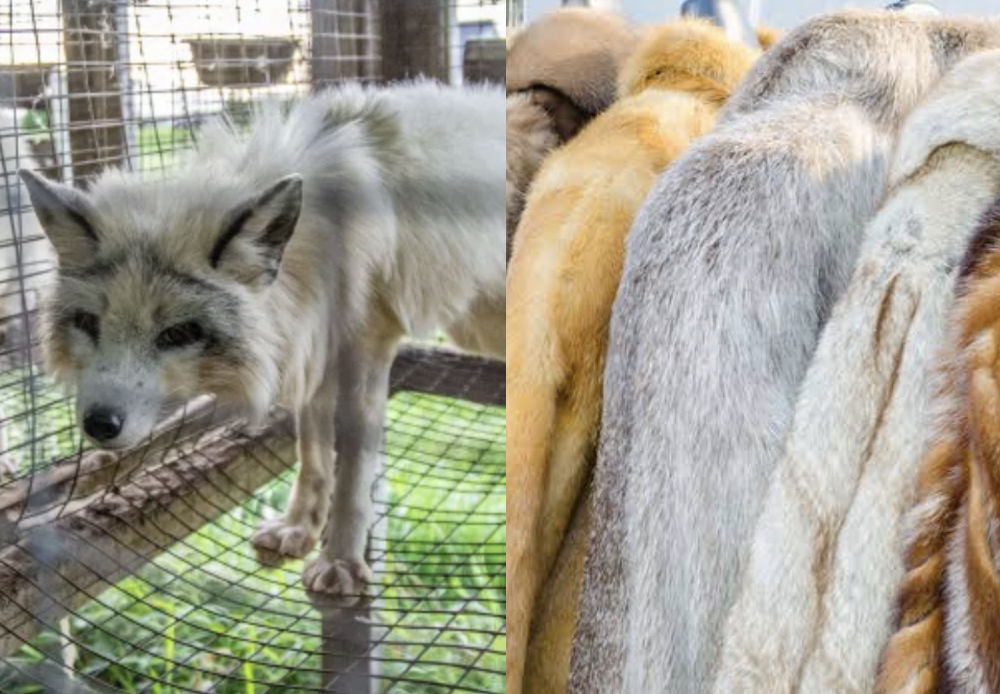
The Cruelty of Fur Farming

The fur industry relies on breeding wild animals like minks, foxes, and chinchillas in tiny, barren wire cages. This extreme confinement causes severe psychological and physical trauma. They are kept in captivity and killed using brutal methods solely to preserve the quality of their coat for luxury fashion. Standing against captivity means categorically rejecting fur.

The Myth of Leather as a Mere "By-product"

There is a widespread misconception that leather is a harmless waste product of the meat industry—simply a way to "use everything." In economic reality, leather is a highly profitable commercial co-product. The revenue generated from selling raw hides directly subsidizes and sustains the financial turnover of slaughterhouses and factory farms. Furthermore, many animals (such as young calves or exotic species) are raised and slaughtered primarily for the premium quality of their skin, not their meat. Buying leather directly funds the animal agriculture industry.

The Hidden Chemical Threat to Ecosystems

The damage caused by these materials goes beyond animal suffering; it directly poisons the planet. The industrial processing of fur and the traditional tanning of leather require a massive amount of highly toxic chemicals, such as formaldehyde and heavy metals like hexavalent chromium. The toxic runoff from these factories often leaks into local rivers and soils, heavily polluting the surrounding environment and devastating local wild fauna and flora.

ø NO HUNTING

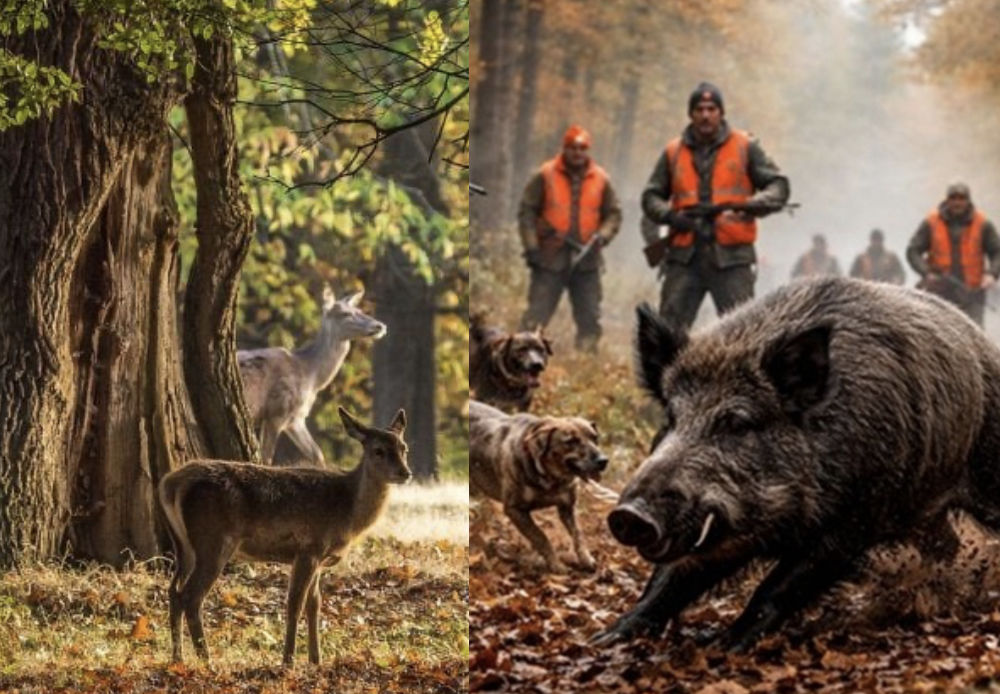
Many people believe that consuming wild-caught meat or "game" is a sustainable alternative to factory farming. In reality, hunting for food represents a direct human interference that heavily disrupts global biodiversity and ecosystem health.

• Disrupting the Balance of Nature: Ecosystems possess a perfect biological balance where predators and prey regulate each other naturally. Human hunting disrupts this structure by targeting the strongest individuals, fracturing animal families, and leaving countless orphaned young to die from starvation. The trauma, fear, and noise caused by hunting seasons force wild species to flee their natural territories, heavily compromising their reproduction rhythms.

• The Threat of Artificial Introductions: To satisfy hunting demands, humans frequently introduce non-native animal species into local ecosystems. These introduced species often become invasive, aggressively competing with native wildlife for food and shelter, leading to habitat degradation and biodiversity loss.

• Coexisting with Wildlife: True help means protecting and restoring natural habitats so that wild animals can live their lives wild and free, completely undisturbed by human sports or appetites. We must learn to coexist with our forests and plains, appreciating wildlife through respect and ethical observation, not consumption.

ø NO PRODUCTS


True cruelty-free living requires looking at the hidden footprints of our daily consumption. Even products that do not contain animal ingredients can cause massive wildlife suffering by destroying the environments they rely on to survive.

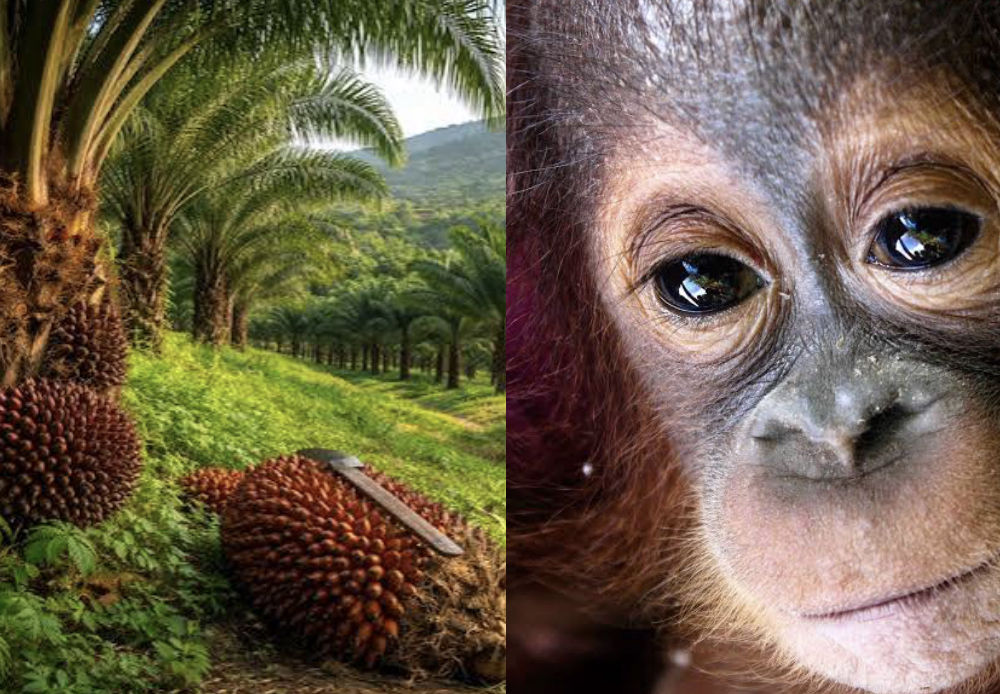
Palm Oil and Habitat Fragmentation

Palm oil is an ingredient found in countless packaged foods, cosmetics, and soaps. The aggressive expansion of monoculture palm oil plantations is a primary driver of tropical deforestation. This destruction forces endangered species like orangutans, Sumatran tigers, and Asian elephants out of their natural homes, often leading to displacement and death. Choosing palm-oil-free products is a direct action to save these species from human interference.

Household Chemicals and Water Pollution

Standard laundry detergents, dish soaps, and household cleaners are packed with harsh synthetic chemicals and phosphates. When washed down the drain, they end up in river systems and oceans, causing toxic algal blooms and oxygen depletion. This heavily disrupts marine flora and poisons aquatic creatures. Opting for biodegradable, plant-based cleaning products keeps our waterways safe for marine life.

Single-Use Plastics and Waste

Every piece of plastic ever made still exists somewhere on this planet. Plastic pollution clogs wild habitats, from deep forests to remote beaches. Animals frequently mistake plastic debris for food or become physically trapped in plastic packaging. Shifting toward reusable items, zero-waste packaging, and proper recycling is a key step to inhabit this planet with genuine respect.

ø NO SHOWS

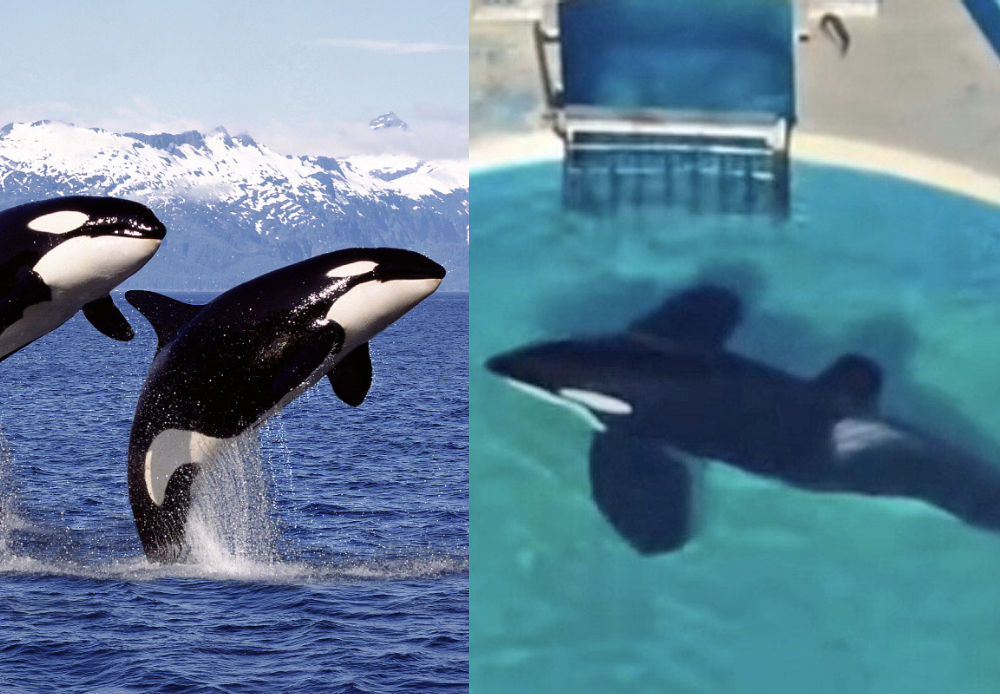
True admiration for wildlife means respecting their right to live wild and free, not paying to see them behind bars or performing unnatural tricks under a tent. Zoos and circuses turn magnificent sentient beings into commercial commodities for human ego.

• Zoos: Lifelong Confinement: Zoos claim to educate, but they teach the wrong lesson: that it is acceptable to keep wild animals locked up for our curiosity [1]. Large mammals like lions, tigers, and elephants are forced into artificial enclosures that are a tiny fraction of their natural home ranges. Deprived of physical and mental stimulation, these majestic creatures develop "zoochosis"—a psychological trauma that leads to repetitive, stress-induced behaviors like pacing back and forth, swaying, or self-harm.

• Circuses: Freedom Broken by Force: In traditional circuses, majestic wild animals are subjected to severe confinement in small transport wagons for months on end. To force a bear to dance, a tiger to jump through fire, or an elephant to stand on its head, trainers rely on physical dominance and fear. Their wild nature is completely broken through rigorous and violent conditioning solely for profit.

• A Shift in Perspective: True protection means restoring and respecting natural habitats, not maintaining cages. We must support wild rehabilitation centers and educate our children to appreciate animals through documentaries, photography, and ethical observation from a distance, without interference 

© 2026 Flofaunes. All rights reserved.

Before you consume, reflect. Their freedom depends on our choices.