Hedgehogs in Distress: A Practical Guide to Rescue
How can you tell if a hedgehog is in distress? Out and about during the day: This is the main warning sign. Hedgehogs are nocturnal; if they move in sunlight, it almost always means they are sick, injured, or dehydrated. Apathetic behavior: The hedgehog appears motionless, staggers, is weak, or won't curl up when approached. Wounds or parasites: It has visible wounds, blood, or is visibly infested with ticks, fleas, flies, and white eggs (risk of being eaten alive by larvae). Unaccompanied baby hedgehog: It is a baby hedgehog still dependent on its mother, easily recognizable if it weighs less than 250-300 grams (the size of an apple or smaller). What should you do first? Collect it safely: Pick it up using thick gloves and a rag or towel to protect your hands from the spines and to avoid stressing the animal. Prepare a box: Place it in a cardboard box with high sides (at least 40 cm, because they can climb). Make sure the box is closed to prevent it from escaping, but poke holes in the lid to let oxygen in. Always keep it warm: Even in summer, a weak hedgehog can become hypothermic, which slows down its metabolism. Place a hot water bottle or plastic bottle filled with hot water in the box, wrapped in a cloth or towel to avoid burning it. Leave enough space in the box to allow it to move away from the heat source if it gets too hot. Water, yes, food, no: You can only provide it with a very shallow bowl of fresh water. Do not give it anything from your kitchen (no cow's milk or dairy products, as it is a deadly poison for them, causing sudden diarrhea). Where should the box be placed? Don't leave it outside: It would be exposed to predators and the cold at night. Don't place it in living quarters: If the hedgehog is infested with fleas, ticks, or internal parasites (worms), these could be transmitted to your pets or infest your home. Furthermore, household noises cause severe stress. Choose a secluded location: the ideal spot is a garage, cellar, laundry room, or an unused bathroom. It should be enclosed, quiet, dark, and completely inaccessible to dogs or cats. Who should you contact and what should you do if the shelter is closed? Normally regular pet veterinarians do not treat wild animals for legal and specialized reasons, and the facilities are closed at night. If the hedgehog shelter or rescue center is unavailable, do not leave the animal outdoors. Keep it warm and safe in its box in the garage or cellar overnight. The next day, early in the morning, immediately contact the nearest specialized center (such as the Hedgehog SOS associations), a wildlife veterinarian, or the game wardens to arrange the handover.
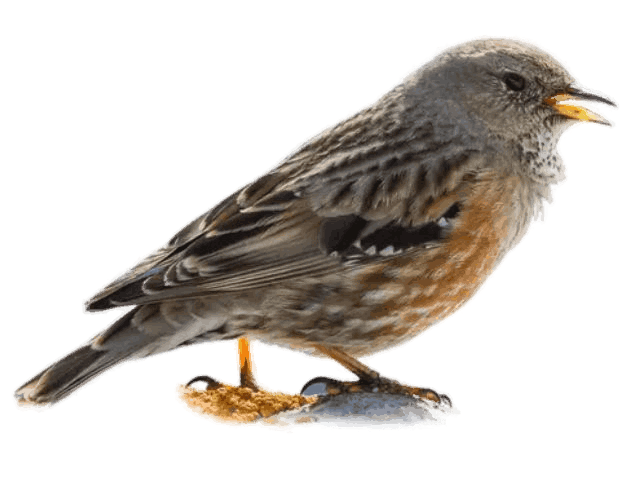
Small birds in difficulty: Sparrows or Robins
How can you tell if a baby bird is in distress? Injured or listless adult birds: An adult bird that lets itself be picked up by hand is always a sign of trouble. Check for a dangling wing, blood, trembling, or if it was picked up by a cat (even if it appears healthy, bacteria in cat saliva are lethal and require urgent antibiotics). Unfledged nestlings (without feathers): These are chicks that fell from the nest too early, naked or with only a bit of down, if you know which nest, replace it not touching it with naked hand but with towel or gloves. If you don't know which nest, they cannot survive outside the nest and need immediate help. "Infantry" birds (birds with feathers but that cannot fly): Be careful not to make mistakes ! Young sparrows and robins spontaneously leave the nest before they can fly, and their parents continue to feed them on the ground. If the baby bird is jumping, is lively, has feathers, and is not in immediate danger (street, cats), it should not be handled. At most, move it to a nearby branch or hedge. What should you do first if it's in real danger? Pick it up gently: Use a handkerchief or a light cloth. Never squeeze the bird's chest, as this could suffocate it (they breathe by expanding their rib cage). Prepare a box: Place it in a cardboard box appropriate for its size, with a paper towel on the bottom (no cotton wool, as the threads can get caught around its legs). Poke small holes in the lid for ventilation and close it. Total darkness reduces stress and prevents the bird from flapping and injuring its wings. Keep it warm (especially if it's fledgling): Baby birds lose heat very quickly. Place a hot water bottle wrapped in a cloth next to it (or under the box). If the baby is cold, it won't be able to digest and will die. No food or water (Crucial): Never force a baby bird to drink by pouring water into its beak. A bird's glottis is located at the base of the tongue, and water can go directly into its lungs, instantly suffocating it. Don't give it bread, milk, biscuits, or food. Sparrows and robins are insectivorous (especially when young), and carbohydrates block their digestive system. Where should the box be placed? Don't leave it outside: It would be exposed to lethal temperature changes, ants, and predators (cats, magpies, crows). Don't place it in inhabited rooms: Wild birds can carry skin mites (known as red mites), ticks, or salmonella. Keep them away from your pets to avoid contagion or severe stress (a barking dog or a cat targeting the box can cause the bird to have a heart attack). Choose a secluded location: a garage, a cellar, or an unused room, as long as the environment is temperate (neither too cold nor too hot under the sun). Silence is essential. Who should you contact and what should you do if the shelter is closed ? As with hedgehogs, wildlife care is reserved for authorized centers. Regular veterinarians do not treat wild birds, and day care centers are closed at night. If you find the bird in the evening or on weekends, keep it in its box in the dark, warm, and quiet overnight, without providing it with food or water. Often, the quiet and warmth are enough to stabilize it until morning. The next day, immediately contact the Ornithological Institute, the wildlife rescue center in your town, or the local animal protection agency to arrange immediate delivery.
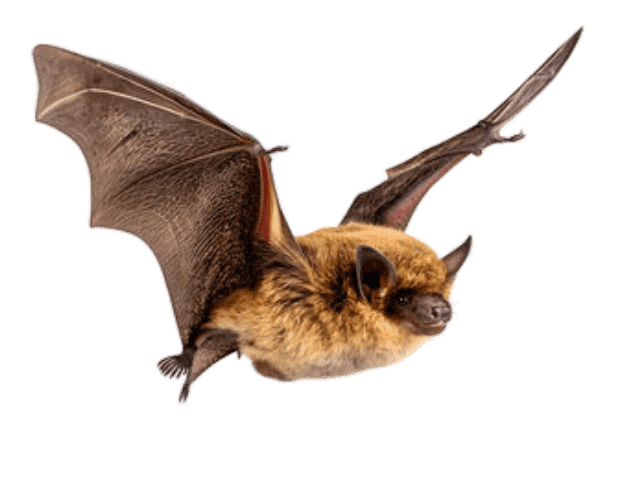
Bats in Distress: A Practical Guide to International Rescue
How to recognize a bat in distress? Found on the ground during the day: This is the main warning sign. A healthy bat is never found on the ground in sunlight. Due to the shape of their wings and legs, most species are unable to take flight from the ground and must climb a vertical surface to launch themselves. Hanging in an exposed spot during the day: If it's hanging from a wall in full sunlight, at a height reachable by predators, or near a doorway, it means it's exhausted, disoriented, or injured. Housebound: A bat that desperately flies around a living room at night or is found clinging to a curtain has simply lost its bearings. Cat predation: If a cat has caught it or is playing with it, the animal's life is in danger. A cat's teeth transmit deadly bacteria that require immediate antibiotics. What should you do first if it's in real danger? NEVER touch it with your bare hands (Crucial): This is the most important international rule for public health. Although the risk in Europe is very low, bats can transmit rabies through defensive bites. Always wear thick leather gloves or use a heavy cloth to pick it up. Prepare a box: Place it in a cardboard box (such as a shoe box). Poke tiny holes in the lid for air. Caution: Bats are masters of escape and can squeeze through cracks less than a centimeter wide. Make sure the box is sealed tightly with duct tape. Create a shelter and provide warmth: Place a crumpled piece of paper towel or a small cotton rag (without frayed threads) at the bottom of the box. The bat needs something to cling to to feel protected and hide. If the animal is cold or is a young animal, place a hot water bottle wrapped in a cloth next to the box. Hydration is fine, but food is not: Never force the animal to drink directly from its beak. You can use the cap of an upside-down plastic bottle with a few drops of fresh water inside, or wet the tip of a cotton swab or paintbrush and gently bring it to its mouth: if it's thirsty, it will lick it on its own. Never give milk, bread, or kitchen food. Urban bats are strictly insectivorous. Where should the box be placed? Don't leave it outside: It would become immediate prey for cats, ants, or magpies. Don't place it in inhabited rooms: In addition to the health risk associated with parasites (such as bat bugs), noise from the television, people, or the presence of pets could cause fatal stress. Choose a secluded location: a garage, a cellar, a laundry room, or a tool shed. The area should be dark, cool (but not freezing), and completely quiet. Who should you contact and what should you do if the centers are closed? If you find the bat in the evening or on the weekend, keep it safe in the box overnight, following the steps above. The darkness and quiet will allow it to rest and stabilize. If the bat is a healthy adult that simply entered the house by mistake, you can try that same evening at dusk: take the box outside on the balcony or near a high window, open it, and gently tilt it near a wall or tree. If the bat has recovered, it will climb out and fly away on its own. If it is injured or unable to fly, immediately contact your local wildlife rescue center, animal control center, or an association specializing in bat protection the next morning (each country has a network of experts dedicated to these animals).