REPRODUCTION
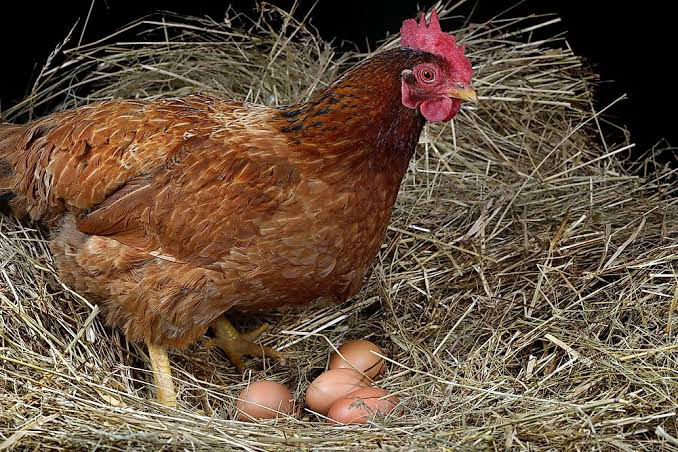
Oviparous Animals
Ovoviviparous animals possess a unique reproductive system where eggs develop and hatch directly inside the mother's body. The young animals are born alive and fully formed without an external egg-laying phase in nature. This strategy offers total protection from predators during embryo development. Great white sharks, asp vipers common in the Swiss Alps, and popular aquarium guppy fish are classic examples of this fascinating reproductive method.
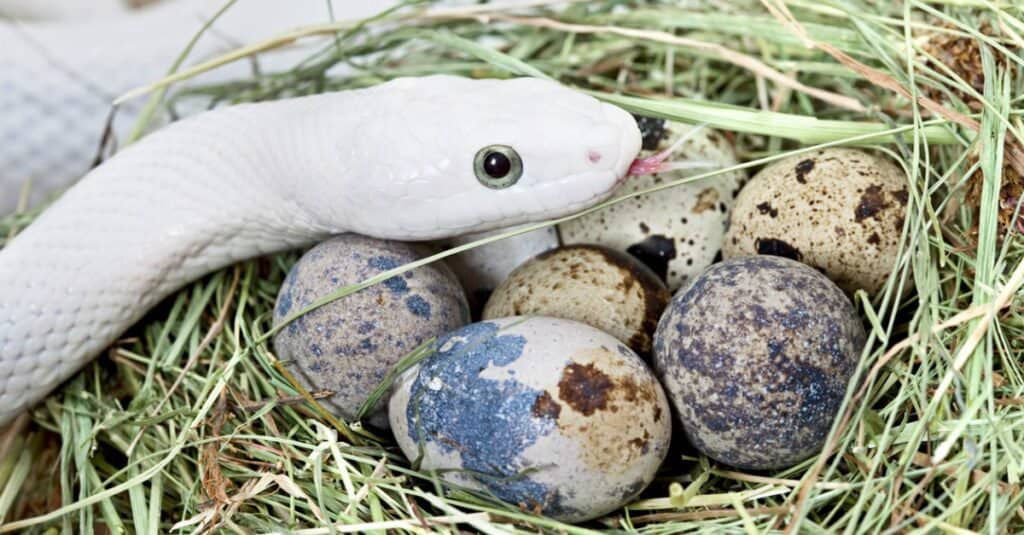
Ovoviviparous Animals
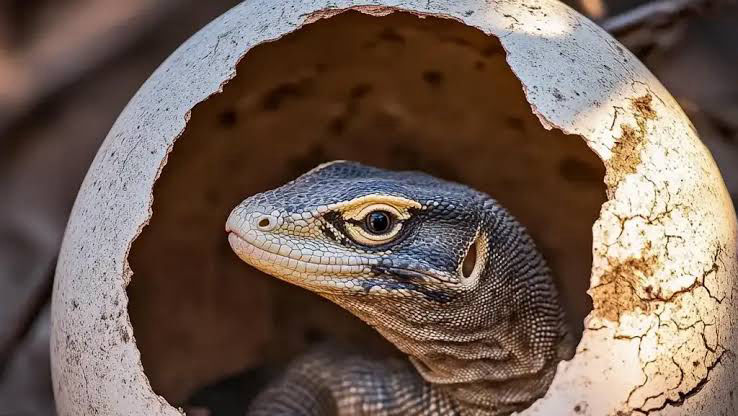
Oviparous animals reproduce by laying eggs outside of their body where the embryo grows completely outdoors. The developing creature is protected by a shell and feeds strictly on the internal egg yolk until it is ready to hatch. This shell is vital because it protects the future newborn from drying out in the open air. Birds like the Swiss golden eagle, most reptiles, and insects like butterflies follow this widespread method.
Viviparous Animals
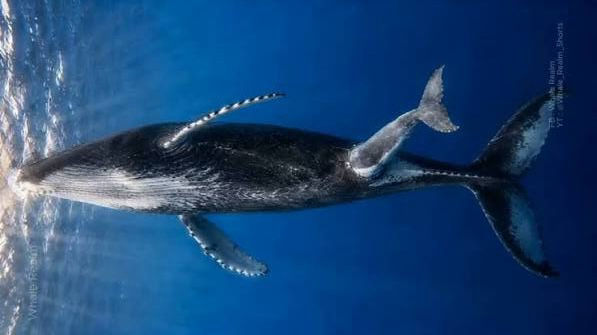
Viviparous animals give birth to live young that develop completely inside the mother's womb. The growing embryo receives a constant supply of oxygen and nutrients directly through the placenta until it is ready for birth. This advanced reproductive strategy ensures maximum protection and a high survival rate for the offspring. Mammals like whales and dogs represent this category, along with alpine species like the ibex and certain specialized sharks.
Asexual Reproduction
Asexual reproduction allows animals to produce offspring without the need for a partner or fertilization. The most common form is parthenogenesis, where an unfertilized egg develops into a complete living creature that is a genetic clone of the mother. This incredible strategy is used by certain insects, lizards, and even female sharks in isolation. Other simple organisms like starfish use fragmentation, where a detached part of their body grows into a whole new animal.